
Knife Defense Weapons: When and How to Use Them
Knife defense training is essential in today’s world, especially due to rising crime rates. Knowing how to defend against a knife attacker could potentially save your life or someone else’s. Preparing for situations involving knife threats includes understanding the types of knives involved, the range and the most effective techniques for defense. It’s important to train effectively and practice these techniques regularly, as muscle memory can be crucial in high-stress situations. Knife defense tactics not only involve blocking and distracting the attacker but also efficiently disarming them. This training should also encompass understanding your own surroundings and how to create an exit strategy in an attack scenario. Additionally, having the right mindset is crucial, as fear can often lead to ineffective decision-making. Learning to stay calm, assessing your options, and knowing when to engage or disengage can make all the difference. Overall, effective knife defense training prepares individuals both mentally and physically for potentially dangerous encounters. Therefore, investing time and energy to learn and master these techniques can significantly improve your personal safety and the ability to protect others.
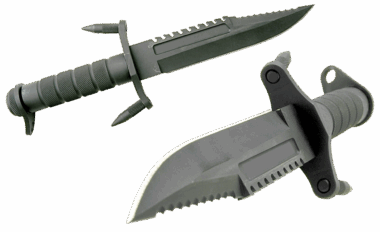
One of the key aspects of knife defense training is understanding the different types of knives commonly used in assaults. Knives vary in size, shape, and function, and recognizing these distinctions can alter your defensive approach. Some knives are designed for slicing, while others are meant for thrusting. It is critical to assess the situation quickly, as various knives may pose different threats. Additionally, many knives are readily available and can even be improvised from everyday objects. Training in knife defense should include various scenarios, such as dealing with an attack from different angles or alternating grasp of the weapon. Moreover, practicing with a partner using rubber or training knives can help simulate realistic encounters safely. Familiarizing yourself with how to recognize potential knife threats can significantly enhance your response capabilities. Another important aspect to incorporate into your training is developing quick reflexes to evade and block attacks. Blade awareness in an encounter can mean the difference between life and death. By understanding these key knife elements and conducting effective practice sessions, individuals will be better equipped to handle real-life situations involving knife attacks.
Techniques for Knife Defense
Effective knife defense relies largely on specific techniques that can neutralize a threat quickly. One fundamental technique involves learning to control the attacker’s wrist and knife hand. By executing a wrist lock, you can gain control over the weapon and turn the tables in your favor. Another important maneuver is to deflect the knife away from your body while simultaneously striking the attacker to incapacitate them. Distance is also crucial when encountering a knife attack; maintaining space can minimize the risk of injury. Strategies like sidestepping the attack can also create an opportunity to escape. Awareness of your surroundings plays a significant role in executing these techniques successfully. Being attentive can help choose an advantageous position during an encounter. Moreover, practicing these techniques often is essential. Regular drills contribute to muscle memory, making your response more instinctual and less reliant on conscious thought in stressful moments. Partner exercises provide realistic feedback and enhance proficiency in executing various techniques under pressure. Over time, this consistent practice results in increased confidence, which is vital when faced with a real-world knife situation.
Another critical component in knife defense training is situational awareness. Understanding your environment can significantly influence how you react in a threatening situation. Awareness includes not only recognizing potential threats but also assessing escape routes and exits. Training should emphasize techniques to identify suspicious behavior in individuals around you. Being observant allows you to recognize warning signs early and potentially avoid confrontation. Additionally, practicing mindfulness can improve attention to details that might otherwise go unnoticed. The more you engage with your surroundings, the better your instincts become for identifying dangerous encounters. Integrating situational awareness into regular training exercises helps reinforce these skills, enabling you to react more quickly and effectively when faced with danger. Understanding how to read body language can also assist in determining if an individual may become violent. Building this skill set can be invaluable during self-defense training with knives and other weapons. Remember that avoidance is often the best form of defense, and knowing when to escape can be a critical decision during an altercation. By honing these techniques and remaining vigilant, you can enhance your ability to respond to unexpected knife threats.
Legal Aspects of Knife Defense
As you engage in knife defense training, it’s essential to understand the legal implications surrounding self-defense situations. Laws can vary widely depending on your jurisdiction, but the general rule is that self-defense must be proportionate to the threat faced. Understanding when you are legally justified to use force against an attacker is crucial. Many regions allow you to defend yourself with reasonable force but consider factors such as the imminence of threat and whether you have the ability to retreat safely. Awareness of your local laws regarding self-defense can also affect your training; knowing the legal ramifications ensures you practice responsibly. In the event that a knife defense scenario does escalate, documentation of the incident and your response might play a significant role in legal proceedings. Additionally, being knowledgeable about self-defense laws in your area may influence how you approach training. Consultation with legal professionals during your training could provide clarity on these matters. Understanding the boundaries of self-defense helps to maximize safety while ensuring you don’t inadvertently cross legal lines during critical moments.
Incorporating self-defense tactics into everyday life is vital for personal safety and promotes confidence in self-defense scenarios. Enhance your skills through regular practice and drills that reinforce what you learn in your training. Rehearsing various scenarios ensures that muscle memory and instincts remain sharp when faced with a real threat. Engaging in fitness activities such as martial arts not only improves your health but also prioritizes self-defense tactics. Furthermore, strategies like role-playing or simulating attack situations with trained partners can reinforce your ability to apply techniques effectively. Consider attending workshops or classes focused on self-defense weapon training with professionals who can guide you through realistic situations. It’s also beneficial to analyze real-life situations or incidents where knife defense was employed successfully or unsuccessfully. Continuous education regarding the dynamics of personal safety contributes to creating a well-rounded understanding of self-defense strategies. Tools such as pepper spray or a personal alarm can also serve as excellent complementary measures to knife defense training. Ultimately, mastering knife defense weapons requires a commitment to ongoing learning and practice, ensuring you remain prepared should the need ever arise.
Conclusion
Knife defense training should be prioritized, given the potential dangers presented in everyday life. Understanding when and how to use specific techniques can be critical in potentially life-threatening situations. The integration of situational awareness, the knowledge of local laws, and practical training sessions contribute to a comprehensive self-defense strategy. Regular practice, both with a partner and in individual drills, fortifies techniques and improves response times. It is necessary to grip knowledge about knife types, tactics for engagement, and legal ramifications of self-defense scenarios. Moreover, utilizing preventative measures, such as self-defense tools, enhances personal security. Training in knife defense cultivates not only physical preparation but also psychological readiness to cope with adversity. Confidence gained through practice can empower individuals to handle encounters effectively, often mitigating the need for confrontation. Engaging in continuous education broadens your capacity for understanding incident dynamics. By remaining vigilant and proactive in self-defense training, you bolster your ability to protect yourself and others. In a world where unpredictability is commonplace, equipping yourself with valuable skills through knife defense training can lead to greater peace of mind and security.