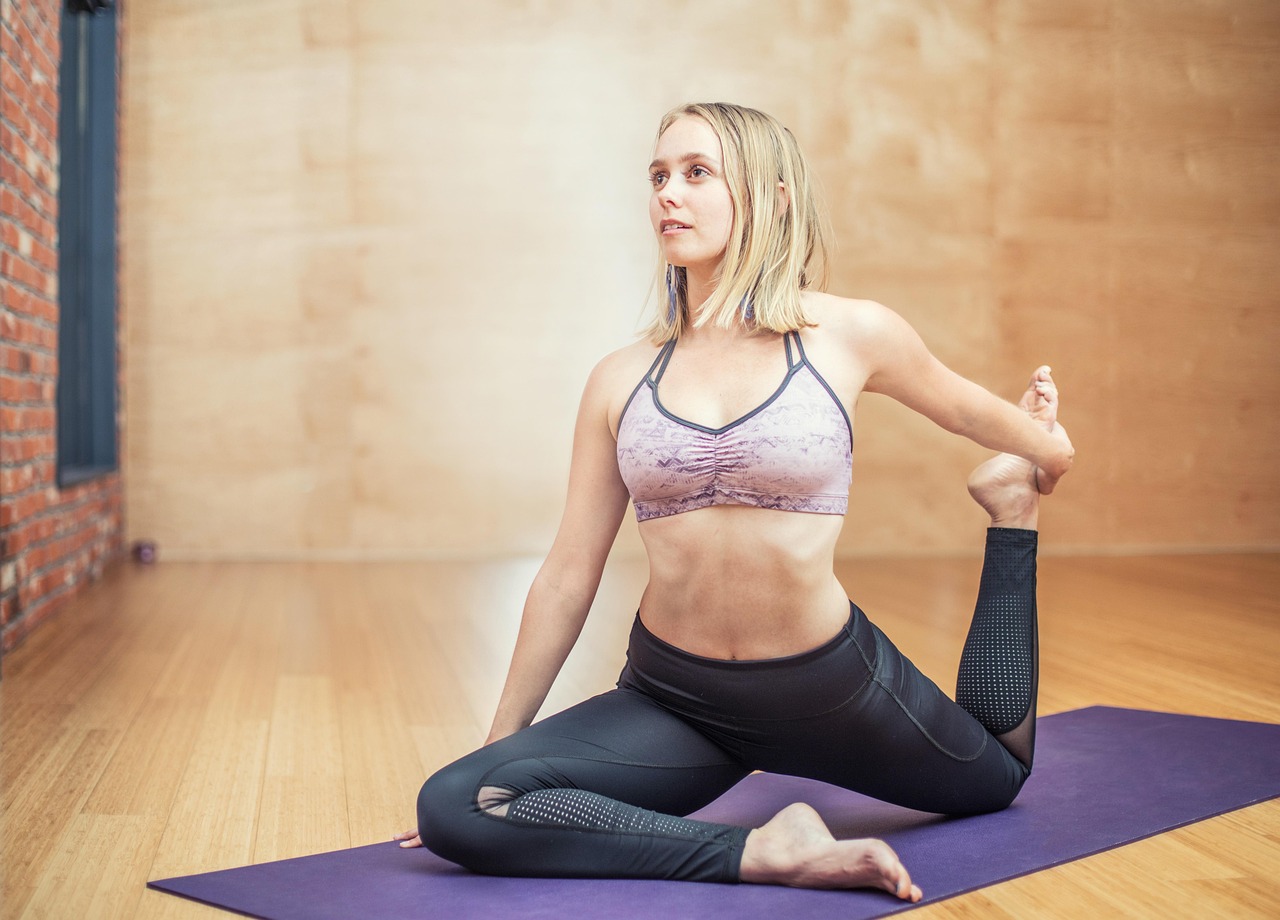

Understanding Postnatal Fitness
After giving birth, the body undergoes a significant transformation, affecting both physical and emotional wellness. Postnatal fitness is essential for moms to regain strength and energy while promoting overall wellbeing. Engaging in home workouts can help new mothers focus on rebuilding their core strength and improving posture. Exploring mindfulness during these exercises enhances the experience, allowing for deeper connection with the body and emotions. Incorporating mindful movement assists in alleviating stress and anxiety, which are common after childbirth. Simple practices such as deep breathing can work wonders in this regard. Additionally, mothers should listen to their bodies and progress at their own pace. Whether it’s gentle stretching or more vigorous workouts, tailor the routine to individual capability and comfort. Offering a variety of exercises can not only provide physical benefits but also empower new moms to reclaim their bodies. Lastly, always consult with a healthcare professional to ensure the chosen activities align well with personal health circumstances. It’s important to prioritize well-rounded fitness that encompasses mental and emotional aspects as well. Mindful and movement-focused workouts indeed pave the way toward holistic postnatal wellness.
The Importance of Mindful Movement
Mindful movement refers to engaging in physical activity with full awareness, incorporating both visualization and breathing techniques. For postnatal moms, this approach cultivates a positive relationship with their bodies during recovery. While exercising, concentrate on every movement, embracing small and gradual progress. Balancing between flexibility and strength can yield incredible results. Integrating elements of yoga and Pilates enhances core stability while improving mental serenity. Always breathe deeply, allowing the mind to empty of distractions. Include movements that are gentle on pelvic floor muscles and engage stabilizing muscles effectively. Postnatal workouts should encourage women to explore various methods, from basic stretches to targeted strength training. Understanding your body leads to better outcomes; thus, aim for routines that challenge yet support your current state. Flexibility becomes crucial in this stage, allowing moms to adapt their schedule for workouts around a baby’s unpredictable routine. Even short sessions can be impactful. Consistency is vital; find workouts that resonate with your interests and abilities. It’s crucial to celebrate every small win along the way, fostering a sense of accomplishment that boosts overall confidence and joy in becoming a new mom.
A successful workout routine involves mixing cardio, strength training, and flexibility exercises. For postnatal fitness, it’s critical to find a balance between these components for well-rounded health benefits. Cardio can invigorate energy levels, possibly through light jogging or brisk walking while pushing the stroller. Incorporate low-impact cardio that nurtures joints, particularly crucial during the postpartum phase. Strength training is equally important, focusing on major muscle groups, and can be performed with bodyweight or simple household items like water bottles. Floor exercises such as bridges and planks target the core, which helps restore abdominals after pregnancy. Lastly, stretching or yoga gives much-needed flexibility and relaxation, supporting recovery and mental clarity. Exploring various online resources or apps that offer guided workouts can eliminate guesswork. Beginners should focus on form and control before increasing intensity. Above all, approach workouts with an open mind, allowing your body the grace to heal properly. Scheduling time for fitness, even in short bursts, can enhance habit formation. Moms can benefit from setting small, manageable goals which progress self-confidence and physical ability.
Creating Your Home Workout Space
Designing a dedicated exercise space at home can greatly enhance the motivation to engage in workouts. Begin by selecting a comfortable spot that is free from distractions, providing both mental and physical space to focus. Clear away clutter to create an inviting atmosphere; consider adding soft mats or cushions for comfort during workouts. Additionally, soothing lighting or soft music can enhance relaxation and concentration during practice. If you have space, invest in basic equipment like resistance bands, dumbbells, or stability balls that increase workout variety. It’s essential to ensure safety in your environment, particularly with small children around. Organize fitness materials conveniently, keeping workout plans or videos within reach. Subscribing to fitness channels or organizing workout sessions with other moms can also foster accountability and share experiences. Consider using screens to follow guided classes, which can alleviate uncertainty. Encourage open communication among fellow participants regarding challenges and triumphs. Lastly, overcome common excuses by ensuring your space reflects your determination and goals for a healthier you. Once your home’s atmosphere promotes fitness, it becomes easier to integrate regular home workouts into daily life.
Nutrition remains a crucial element, working hand-in-hand with an exercise routine to support postnatal recovery. A balanced diet abundant in whole foods, healthy fats, proteins, and fiber fuels energy levels necessary for workouts and childcare. Prioritize meals rich in nutrients; fruits, vegetables, lean proteins, and whole grains offer the necessary vitamins and minerals that promote healing. Hydration also plays a vital role; always keep a water bottle nearby during workouts to replenish fluids. Consider small, frequent meals/snacks throughout the day to maintain energy and combat fatigue. Meal prepping beforehand can save time and simplify nutrition planning, especially for busy new moms. Apart from physical health, a supportive community can also contribute significantly to a mother’s mental resilience. Share recipes, tips on meal prep, and even workout routines with other moms in the vicinity or through online platforms. Discussing challenges helps to build camaraderie, strengthening perseverance towards fitness goals. Remember, nourishing both the body and mind provides a strong foundation for overall wellness. Lastly, approach dietary changes gradually, aligning with personal choices and cravings for sustainable success.
Listening to Your Body
Understanding and listening to your body’s signals is essential for anyone engaged in fitness, especially for postnatal moms. Recognizing the signs of fatigue, discomfort, or pain represents key knowledge that aids in safe practice. After childbirth, take gradual steps toward fitness, prioritizing recovery and healing first. Pay attention to how your body responds during and after workouts; if something feels off, modify by reducing intensity or skipping that exercise. Experts often recommend keeping a fitness journal documenting exercises, feelings, and feedback from workouts. This practice fosters a deeper connection with one’s body and provides insights to track improvements and setbacks. Moreover, flexibility in your routine allows adjustments according to mood and energy levels. If feeling particularly drained, perhaps explore gentler forms of movement such as gentle yoga or walking. Rest and recovery are equally important for progress, so allow adequate time between workouts, ensuring you feel rejuvenated. Such awareness empowers better self-care habits in your fitness journey. Periodically reassess workouts, making necessary modifications that better serve individual healing and strength restoration.
In conclusion, the journey towards postnatal wellness requires a thoughtful blend of mindfulness and movement. Home workouts can effectively address both physical and emotional aspects of recovery. Engaging consistently in movement allows for a gradual rebound while nurturing the mind, spirit, and body connection. New mothers should seek enjoyment and connection as they explore various forms of home exercises. Embracing this journey collectively can foster profound change not only in physical capacity but also in emotional resilience. Connect with supportive communities, both online and offline, that inspire and encourage progress each step of the way. Building friendships through shared experiences greatly enhances motivation, leading to a stronger commitment to fitness. It’s crucial to remain patient and celebrate each milestone achieved. The path to fitness does not follow a one-size-fits-all approach; it’s unique for every mom. Ultimately, value the way you feel after a workout more than the outcome itself. Stay committed to a lifestyle of mindfulness and healthy movement, appreciating every breath and every stretch. Invest in yourself, as you are worth the journey to postnatal wellness.