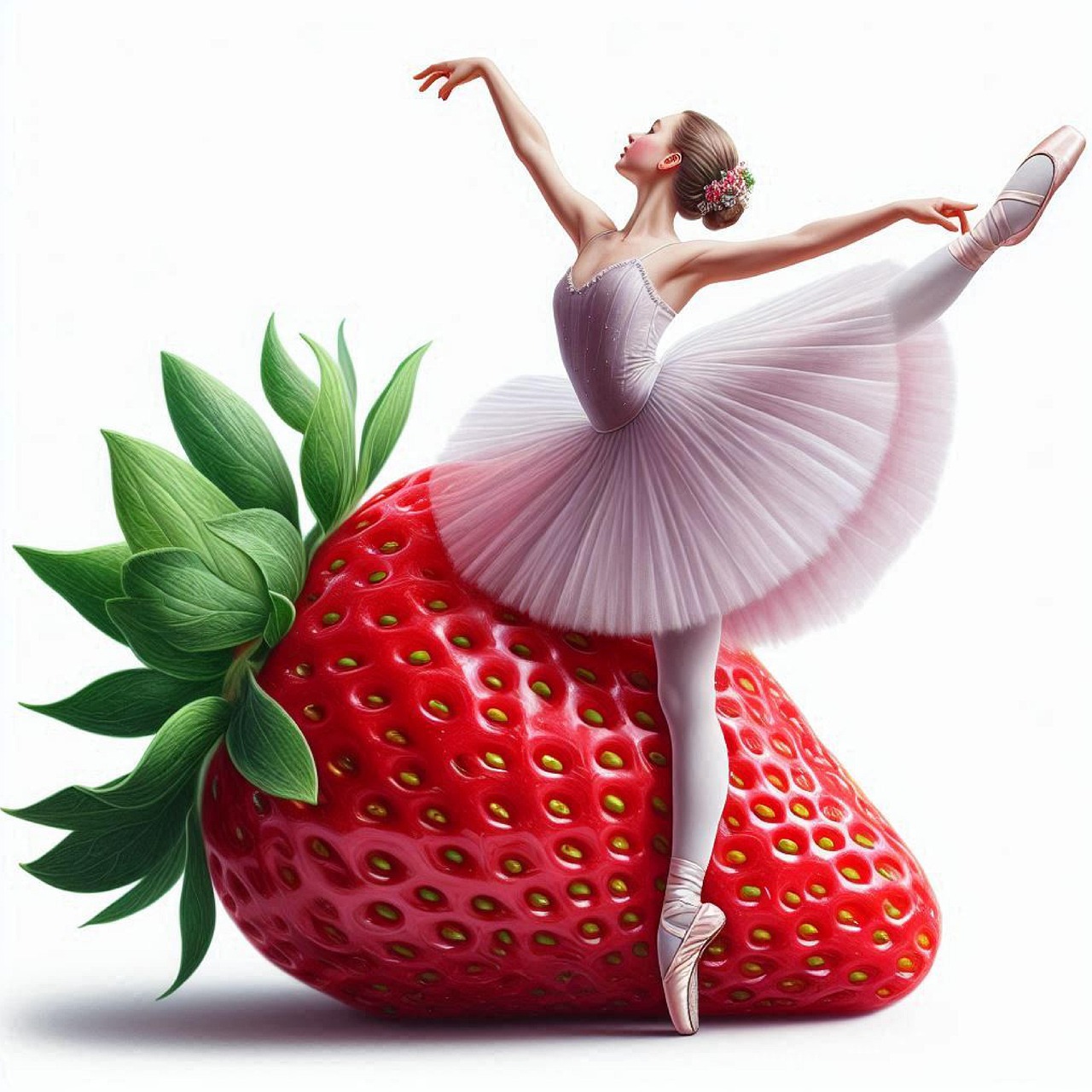

Nutrition Tips to Fuel Your Dance Aerobics Cross Training Sessions
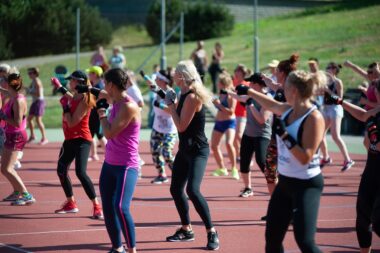
When engaging in Dance Aerobics for Cross Training, proper nutrition is crucial for optimal performance and recovery. Start by integrating complex carbohydrates into your diet. Complex carbs like whole grains, oats, and quinoa provide sustained energy throughout your workouts. Incorporate simple carbohydrates, such as fruits, immediately post-workout to replenish glycogen stores quickly. Protein is equally important; lean meats, legumes, nuts, and dairy are excellent sources. Aim for a protein-rich meal or snack within two hours of your training to facilitate muscle repair. Hydration must not be overlooked; drinking sufficient water before, during, and after aerobics can prevent fatigue and cramping. To enhance overall performance, consider healthy fats as well. Sources like avocados and olive oil offer essential fatty acids beneficial for prolonged energy levels. Always listen to your body’s hunger cues and adjust portions to meet your specific needs. For optimal results, maintain a well-balanced diet, listening closely to your body’s responses to various foods. This strategy will reflect positively in your energy and endurance during Dance Aerobics sessions, fostering better performance.
Understanding the Role of Micronutrients
In addition to macronutrients, micronutrients like vitamins and minerals play a vital role in supporting your Dance Aerobics training. For instance, vitamin C found in citrus fruits and leafy greens aids in tissue repair and immune function. Similarly, calcium and vitamin D are essential for bone health, which can be especially important for dancers engaging in high-impact aerobics. Consuming a diverse range of fruits, vegetables, nuts, and seeds ensures you’re covering your micronutrient bases. Iron is particularly important for energy levels, supporting oxygen transport in the blood. Lean meats, spinach, and enriched cereals are excellent sources. A deficiency in vitamin B12 can lead to fatigue, so consider fortified foods, particularly if you’re vegetarian or vegan. Zinc plays a crucial role during recovery, found in nuts, seeds, and whole grains. Antioxidant-rich foods like berries help fight inflammation caused by intense exercise, contributing to quicker recovery times. Regularly consume these micronutrient-rich foods, ensuring a solid overall nutritional foundation. A balanced intake of micronutrients will enhance your dance performance while ensuring optimal health.
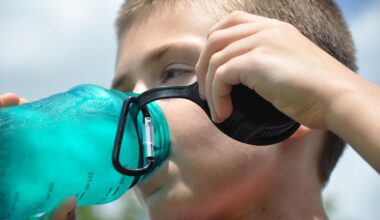
Adequate hydration is critical, especially during Dance Aerobics sessions, as it helps maintain performance levels. Water is your best friend; however, for longer workouts exceeding an hour, electrolyte drinks can be beneficial. These drinks help replenish essential minerals lost through sweat, preventing dehydration and cramping. Aim to drink about 16-20 ounces of water two hours before workouts. During your sessions, aim for an additional 7-10 ounces every 10-20 minutes, depending on your intensity level. Afterward, replace fluids lost through sweat; remember that thirst isn’t always a good indicator of hydration status. Additionally, consider utilizing coconut water, a natural alternative to commercial sports drinks. It’s rich in electrolytes, low in calories, and can help replenish necessary nutrients lost during vigorous workouts. Keep a water bottle handy at all times, ensuring you are consistently sipping throughout the day. Calculate your individual needs based on factors like weight, activity level, and climate. Always prioritize hydration, as even mild dehydration can diminish performance, focus, and efficiency in your Dance Aerobics routines.
Pre-Workout Nutrition Essentials
Eating the right foods before your Dance Aerobics session can significantly enhance your performance. Focus on a well-balanced pre-workout meal or snack that combines carbohydrates and protein. Consuming this about 30-60 minutes before training ensures your body has the necessary fuel. Opt for options like a banana with almond butter, a small smoothie with fruits and yogurt, or whole-grain toast with avocado. These combinations provide energy and support muscle maintenance. Avoid heavy, high-fat meals right before working out, as they can lead to discomfort and hinder performance. Additionally, consider natural energy boosters like beet juice or coffee for an extra kick. They can help increase endurance and focus during high-intensity routines. Every individual’s optimal meal timing may vary; pay attention to your body and adjust accordingly based on your experiences. Consistent experimentation leads to a better understanding of what suits you best. Properly fueling your body before workouts ensures that you’ll have enough strength and stamina to get through your Dance Aerobics sessions effectively.
Recovery nutrition is essential if you wish to sustain your dance training over time. After intense Dance Aerobics sessions, your body needs nutrients to repair and replenish. As mentioned earlier, prioritize protein intake to aid muscle recovery; pairing it with carbohydrates can further enhance glycogen replenishment. Consuming a post-workout meal or snack within 30 minutes is ideal. Consider options like a protein shake with fruit, Greek yogurt with honey, or a turkey sandwich on whole grain bread. These foods promote optimal recovery by providing essential nutrients. Don’t overlook the importance of sleep in recovery, either; quality sleep aids muscle restoration and mental fortitude. Aim for 7-9 hours of quality rest each night, allowing your body to recuperate adequately. Sufficient hydration also serves to speed up recovery, minimizing soreness experienced following intense sessions. Incorporating rest days into your training routine can help alleviate strain on your body. Making recovery a priority will not only promote performance but also prevent injury, allowing you to enjoy the full benefits of your Dance Aerobics cross-training regimen.
Energizing Snacks for Dance Aerobics
When it comes to Dance Aerobics, keeping your energy levels up is crucial. Preparing energizing snacks can ensure you’re ready for your sessions. Healthy snacks can bridge the gap between meals, avoiding energy dips and fueling your workouts. Snacks should ideally consist of carbohydrates and protein to provide quick energy and reduce muscle breakdown. Options like hummus and carrot sticks, nut butter with apple slices, or a small handful of mixed nuts offer great nutritional balance. Whole grain crackers with cheese are another excellent choice, as they supply complex carbs and sufficient protein. Plan ahead to avoid unhealthy snacking; pre-portioning snacks helps keep you prepared. Try to choose foods that you particularly enjoy, as this not only keeps you motivated but also assists in maintaining a balanced diet. Keep snacks accessible, whether at home or on-the-go, to prevent reaching for unhealthy alternatives. Properly fueling your body with nutritious snacks throughout the day supports performance in Dance Aerobics while fostering a positive relationship with food.
Monitoring your nutrition is key to maximizing the benefits of Dance Aerobics training. Keeping a food diary helps you understand your eating habits and make adjustments where necessary. By documenting what you eat, you can identify patterns indicating nutrient deficiencies or excesses. This awareness will enable you to fine-tune your meals and incorporate foods that enhance energy levels and recovery. If necessary, consult with a registered dietitian for expert advice tailored to your specific goals. Stay proactive in evaluating how different foods affect your performance during Dance Aerobics. Listen to your body; some individuals may respond differently to similar diets. Adjust portion sizes, meal timing, and nutrient choices based on your workouts’ demands. Consider using food-tracking apps to track your intake efficiently and keep goals at the forefront. Over time, you’ll develop a clear understanding of the nutrients you need to sustain optimal performance. By being mindful of what you consume, you’re taking an important step toward achieving your Dance Aerobics cross-training goals.