
Postpartum Pilates Workouts to Improve Posture and Flexibility
Postpartum Pilates is an excellent way for new mothers to regain strength while focusing on flexibility and overall health. Pilates emphasizes core stability, which is crucial after childbirth, as pregnancy and labor can significantly affect the abdominal muscles. These targeted exercises help to realign the pelvis and spine while building strength in those key areas. New mothers often experience stiffness and tension from limited movement during pregnancy, and Pilates can effectively address those concerns. Many workouts incorporate breathing techniques that not only enhance relaxation but also assist in enhancing posture. Over time, these practices can aid in alleviating back pain that frequently occurs due to improper posture after delivery. Engaging in this fitness routine also promotes better mobility, thus allowing mothers to return to their daily activities with ease and confidence. It is essential to always consult a healthcare provider to determine the appropriate time to commence Pilates following childbirth. Most importantly, postpartum Pilates cultivates a positive mindset, empowering new mothers to connect with their bodies and embrace the physical changes they experience.
The Benefits of Postpartum Pilates
There are numerous advantages to integrating postpartum Pilates into one’s fitness routine. First, Pilates strengthens the core muscles, which include important areas like the transverse abdominis and obliques. These muscles provide essential support for the back and pelvic region, particularly after the strain of childbirth. Additionally, the exercises focus on improving flexibility, which can often be compromised post-pregnancy. Through regular practice, postpartum women can regain their range of motion, promoting better overall movement and reducing the risk of injury during everyday tasks. Pilates also encourages mindfulness, linking breath with movement effectively, creating a meditative workout that benefits mental health. Many new mothers find it hard to carve out time for fitness; however, Pilates can often be done in short sessions at home. This adaptability makes it achievable for busy schedules. Also, an emphasis on proper body alignment throughout Pilates practice helps to correct common postural issues that arise during and after pregnancy. Each of these benefits creates a comprehensive approach to restoring overall fitness and well-being after childbirth.
As evident, postpartum Pilates is a versatile and effective choice for new mothers. The foundations of Pilates lie in developing core strength and stability, both pivotal for daily existence after giving birth. In many postpartum classes, instructors focus on modified versions of the exercises that are specifically designed for new moms. These adjustments ensure that the workouts cater to individual recovery timelines and provide safety. Furthermore, transitioning back into fitness can be challenging, both physically and mentally, which is why supportive environments found in community classes can greatly enhance motivation. Many mothers enjoy working out together, sharing experiences and providing encouragement. Another advantage of postpartum Pilates is that it can be adapted for varying levels of difficulty, allowing participants to gradually increase the intensity as their strength returns. Classes can include props like resistance bands, stability balls, or magic circles, making workouts engaging. Additionally, many programs emphasize the importance of pelvic floor exercises, which can contribute to improved core integrity and stability, ultimately aiding recovery.
Key Exercises to Include
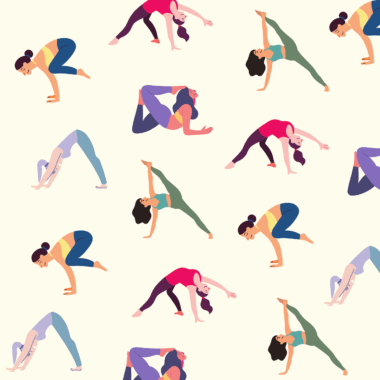
When considering postpartum Pilates workouts, certain key exercises should be included to maximize benefits. The pelvic curl is an excellent exercise to start with, as it gently engages the core and mobilizes the spine. Starting lying on one’s back with bent knees, women can lift and lower their pelvis in a controlled manner, focusing on smooth movements. It effectively strengthens the lower back while preparing the body for more challenging exercises. Another essential move is the side-lying leg series, which targets the glutes and hip muscles, important for overall strength and stability. Incorporating exercises like the cat-cow stretch can also help in improving spinal flexibility, relieving tension in the back. Additionally, the seated spine twist promotes rotational mobility essential for everyday activities. Modified planks and the hundred exercise can also be gradually reintroduced for core engagement. All exercises should be performed with awareness and attention to breathing, ensuring that both mind and body are consistently engaged. This comprehensive approach to Pilates helps in achieving greater strength, flexibility, and overall well-being post-pregnancy.
Always remember, before starting any exercise program, it’s vital to seek guidance from a trained instructor, as they can provide personalized feedback. Following childbirth, each woman’s body is unique and requires specific attention. Some women may face challenges like diastasis recti, requiring tailored methods to incorporate core exercises safely. A knowledgeable instructor can help modify movements and assist participants in avoiding injury. Furthermore, the emotional aspect of exercising postpartum cannot be overstated, as many women experience self-doubt about their physical appearance. Pilates creates a supportive environment that encourages self-acceptance and body positivity through gradual progress. Connecting with others in similar circumstances at community classes supports motivation and a sense of belonging. For the best results, focusing on your own journey rather than comparing to others creates a healthier mindset about recovery. Mentally engaging with the process can lead to greater acceptance of the transformative body changes experienced after childbirth. Over time, building a routine with consistent attendance in classes leads to remarkable improvements in physical and mental well-being for postpartum women.
Finding the Right Pilates Class
Choosing the right Pilates class program is essential in supporting recovery and helping new moms regain their strength. There are many options available ranging from local studios to online classes, each offering unique formats suitable for new mothers. When selecting a class, it’s significant to consider the qualifications of the instructor and if they have experience with postpartum clients. Specialized instructors will have knowledge of safe modifications, which are important to ensure proper technique and avoid strain. New moms should also seek classes that accommodate their schedules, as childcare can often be a challenge. Investigating class sizes can also provide insight into the level of individual attention participants may receive during the sessions. Small class sizes often enable more personalized instruction, which can enhance the overall experience. Additionally, exploring online classes may be beneficial for those wishing to practice at home, where they feel most comfortable. Whichever option is chosen, consistent attendance and engagement in practice won’t just provide physical benefits, but will also cultivate a nurturing experience tailored to each individual’s postpartum journey.
Ultimately, postpartum Pilates serves as a valuable tool for improving posture, building strength, and enhancing flexibility. New mothers can benefit greatly from the focus on core stability, integrating techniques that encourage mindfulness and overall well-being. The unique combination of physical and emotional support offered by Pilates aligns well with the challenges many new mothers face during the postpartum period. With a commitment to regular practice, participants will notice increased strength in their core and pelvic area, contributing to greater mobility and flexibility overall. Moreover, the social aspects of group classes can foster a sense of community, reducing feelings of isolation often experienced by new mothers. The gradual progression of difficulty in workouts allows for steady improvement while maintaining safety and preventing injury. As confidence builds within each individual, they can take pride in their progress both physically and mentally. Above all, embracing the journey of postpartum recovery through Pilates encourages personal growth, empowerment, and resilience, celebrating the incredible changes that come with motherhood. So, whether in a studio or at home, let Pilates transform your postpartum experience into one of strength and vitality.