
Safety Lighting and Reflective Gear for Early Morning or Night Training
Triathlon training necessitates prioritizing safety, especially when workouts extend into early mornings or late evenings. Effective safety lighting and reflective gear can significantly enhance visibility to others, while also improving the athlete’s awareness of their surroundings. First and foremost, using front and rear lights on your bike is essential for cycling safely in low-light conditions. Consider utilizing lights with multiple settings, including flashing modes which are great for drawing attention. Additionally, reflective vests or jackets enhance visibility, making it crucial to choose those made from high-visibility materials. These items not only keep you safe but also contribute to an overall sense of security during training. Ensure wearables come with reflective strips to catch the light effectively, such as during dusk. When navigating on foot, proper footwear with reflective components helps you remain seen. Finally, don’t hesitate to invest in quality products. They provide better visibility that can make a critical difference. Pair these with bright clothing that stands out against natural surroundings. Overall, preparedness through appropriate gear will assure safer and more enjoyable training sessions.
In addition to basic safety gear, investing in high-quality reflective accessories can significantly improve your risk management strategy during training sessions. For instance, consider using reflective armbands or headbands that not only add an extra layer of visibility but also remain comfortable while you run or cycle. Another smart investment is reflective tape that can be added to your existing gear. By customizing your equipment with reflective materials, you can enhance your visibility without necessitating a complete wardrobe overhaul. Smart firefly lights or blinkers are lightweight options and can be attached securely with ease. They serve a dual purpose: adding sporty flair and increasing your visibility, particularly to approaching vehicles. Moreover, wearing bright colors—especially neon shades—offers an additional edge. In unilluminated areas, the bright clothing contrasts sharply with the background, making you stand out. Remember to check your gear regularly for wear and tear; quality gear can diminish over time. Poor functioning gear compromises its effectiveness. Therefore, conduct periodic checks to ensure they illuminate well and are properly secured. Starting every session prepared and visible boosts the likelihood of safe training.
Choosing the Right Lights
Choosing the right lights for both cycling and running in low light is critical for maximizing safety. When selecting front lights, opt for those providing a strong lumens output. This brightness allows for better visibility of both the terrain and potential obstacles. Lights with various brightness settings are crucial; using lower settings in urban areas will conserve battery life while extended runs can tie up energy reserves. Furthermore, rear light options provide various functionalities that improve traffic perception. Choose rechargeable battery options to alleviate the hassle of changing batteries in regular use. Portable charging accessories can maintain your light’s power for long training sessions, eliminating downtime considerably. Reflective gear should be paired effectively with lights. It’s a compulsory combination that works in synergistic harmony. Using reflective ankle bands, shirts lining, or even cycling shorts can yield noticeable safety improvements. Check for light placement on your equipment—these areas can critically affect visibility angles. Encompass yourself with multiple light sources working together for greater coverage. Research and development in training gear frequently lead to emerging technologies that further improve safety practices. Keep an eye on innovations to ensure effective training.
Among the best ways to enhance your early morning or night training experience is to cycle with a partner or group; visibility is itself increased through numbers. Joining a local triathlon club can provide you with consistent training partners who help ensure safety in numbers. When riding or running in larger groups, try wearing matching colors or reflective items to boost collective visibility. Training in tandem will help you stay focused. Additionally, you can offer accountability and motivation to one another, fostering a more supportive training environment. Having companions also creates additional security. In an event of an emergency, being in a group ensures quicker assistance should it be necessary. On the other hand, assess the area before your workout to choose safer routes. Some paths are much better lit than others. Plan routes that utilize streetlights, safer sidewalks, and allows adequate space from moving vehicles. Aim to do rehearsals before events running on unfamiliar turf. Understanding where to expect heavier traffic can help you preemptively account for better visibility. Cultivating a proactive mindset leads to safer workouts and sounds training strategies.
Investing in Personal Safety Technology
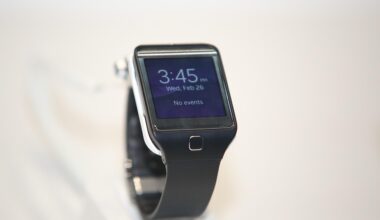
Investing in personal safety technology can also enhance your security during low-light training. GPS-enabled devices, such as running watches or smart headphones, often provide vital locational and timely data. Many are equipped with safety features, like automatic alerts to share your location with trusted contacts while you’re out running. Introducing personal alarms to your training gear is another method to explore. Having a portable alarm tool can deliver a loud auditory signal in case of emergency. Overall, make sure to share your training schedules with someone you trust—it’s always a smart practice. More innovative tech like reflective phone cases can combine functionality with visibility while keeping your communication devices secure. Seek out wearables utilizing bright designs that guarantee safety without sacrificing style. Consider purchasing smart clothing embedded with light-emitting diodes (LEDs) to enhance your visual presence significantly. For runners, shoes with built-in light flashes ensure visibility without taking extra gear into account. Safety technology not only enhances your performance but also allows you to feel empowered while engaging in outdoor training events that may pose higher risks.
Remember to consider the versatility of your triathlon gear, ensuring that reflective elements can transition from cycling, running, and swimming. Many training suits and apparel now come equipped with reflective features which save the hassle of changing outfits. Choose breathable and moisture-wicking materials that also incorporate these safety aspects. Many brands now provide gear that combines comfort with reflective safety. Opt for compression socks with reflective threads; they can be beneficial for both disciplines while enhancing visibility significantly. Ensure your bike gear matches uniform requirements while also representing your triathlon commitment, branding, or club logos. Lastly, always plan your workouts strategically to avoid unlit areas or high-traffic zones. By not compromising safety for training duration, the combination of reflective gear and smart planning leads to successful sessions. Ensure your nightly or early morning exercises become routine habits. Most importantly, maintain consistency in routine practices; habitually wearing your gear will help you remember to incorporate this essential safety equipment over time. Investing in both safety gear and technology will lead to a brighter, safer, and more effective training environment for every aspiring triathlete.
Conclusion
In conclusion, early morning and nighttime training can enhance triathlon preparation significantly, but good safety practices are paramount. Emphasizing the use of safety lighting, reflective wear, and personal support devices, athletes can proactively manage risks associated with low visibility. Moreover, prioritizing safety does not undermine your performance goals. Instead, adopting these practices allows you to build confidence, ensuring that you can focus solely on training without distraction. Remember that investing in quality gear pays dividends in comfort and safety, ultimately impacting overall performance. When equipped with the right reflective clothing and lighting, any athlete can transform their training environment into a safer space. Engage with fellow triathletes about gear suggestions and share tips on effective visibility strategies. Foster relationships with experienced athletes to learn about their gear choices. Over time, the integration of these practices will allow you to train year-round, regardless of conditions. For these reasons, prioritize these essentials within your gear checklists. Finally, ensure to review and adapt your gear as your training progresses; upgrades may reflect the latest advances in safety technology offerings.
By incorporating effective safety lighting and reflective gear, triathletes can gain both safety and confidence, ultimately enhancing training experiences. As such, developing a habit of utilizing these shared suggestions leads to a well-rounded training program. Adapting strategies helps secure lasting success in preparation for upcoming challenges. Remember, preparation is key—start well and make every training moment count!