
The Science Behind Wave Formation and Surfing Conditions
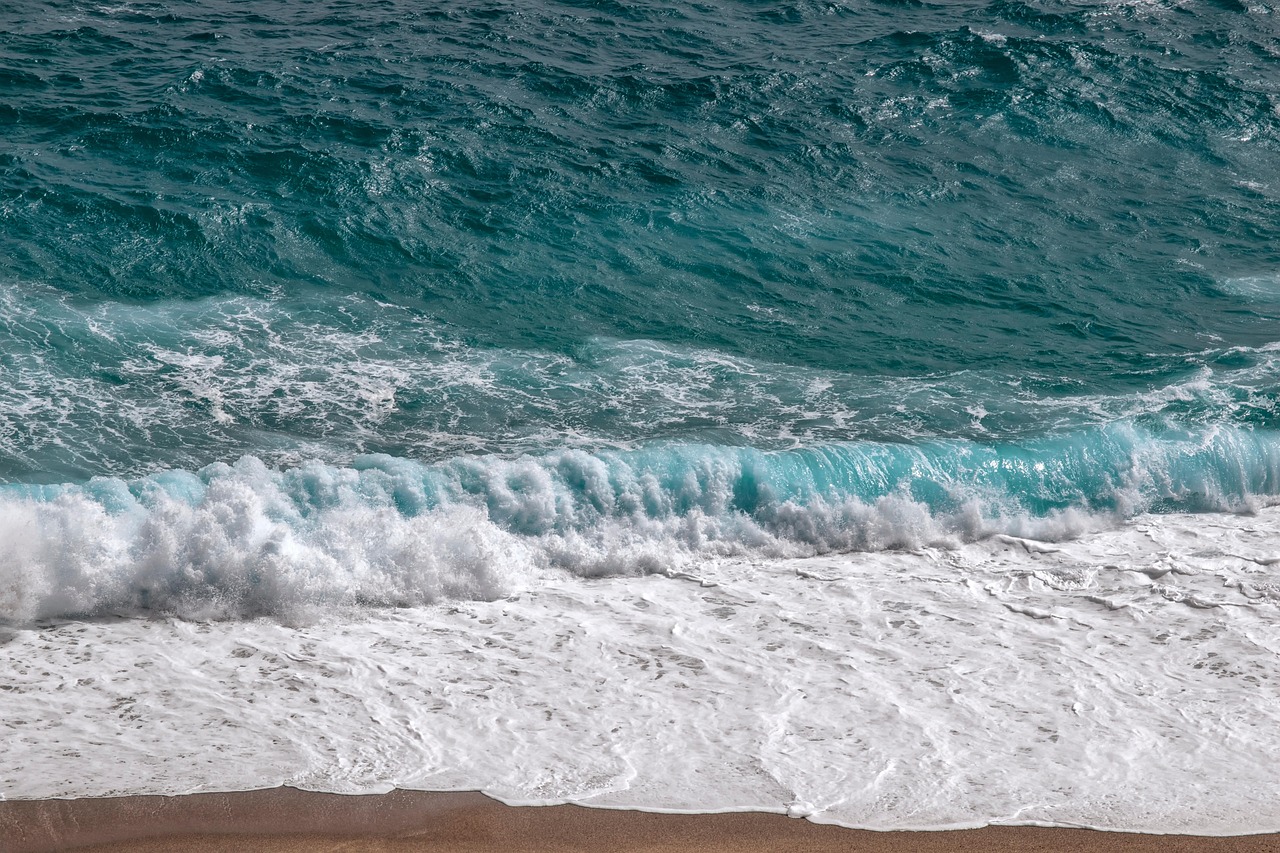
Understanding how waves form is crucial for surfers to harness the ocean’s energy. Waves begin to form when wind blows across the surface of the water. Various factors like wind speed, duration, and fetch influence the size and power of the waves. When the wind blows over a certain distance, it generates waves that can travel great distances without losing energy. The energy from the wind transfers to the water, creating ripples that can develop into larger swells. The type and direction of the sea floor can further modify the waves as they approach the shore. For surfers, these changes create ideal conditions for riding waves. The type of break, whether it is a beach break or point break, influences how waves behave when they reach the shore. Surfers must also consider tidal changes and local weather reports to prep for their sessions. Information regarding wave height, intervals and direction helps surfers choose the right time to hit the waves. Knowledge of atmospheric pressure systems also plays an essential role in predicting surf conditions.
Factors Influencing Surfing Conditions
Several factors contribute to the quality of a surfing experience, and understanding these conditions is vital. One primary factor is wave period, which refers to the time between the arrival of consecutive waves. A longer wave period typically results in better quality waves, offering surfers more time to maneuver. Additionally, swell direction affects how waves break, meaning that surfers must familiarize themselves with local conditions. The topography of the seabed is another crucial component, as rocky or sandy bottoms can create different wave formations. Environmental factors such as tides also impact surf conditions significantly. High tide may bury a sandbar, while low tide can expose it, altering the wave’s behavior. Moreover, current conditions like rip tides can either enhance or hinder surfing opportunities. Surfers should always be cautious about rip currents, as these can pose safety risks if not properly understood. Wind conditions are also essential; offshore winds generally create clean, well-formed waves, while onshore winds tend to create choppy conditions. Understanding these elements can vastly improve a surfer’s ride.
The relationship between atmospheric pressure and wave formation is often overlooked. High-pressure systems can create clear skies and calm seas, leading to optimal surfing conditions. Conversely, low-pressure systems usually bring stormy weather and turbulent waters. When strong winds develop in response to these systems, they generate larger swells. The distance the waves travel from their point of generation to reach the surfer is vital. This distance defines the energy and power behind the waves when they finally arrive at the shore. Surfers keenly observe these patterns, as a well-timed swell can lead to exceptional riding conditions. Keeping an eye on weather patterns, especially the approach of storms, helps surfers plan effectively. Swells can take hours or even days to propagate towards shore, thus understanding their trajectory helps in anticipating the perfect moment to surf. This is also where surf forecasting comes into play. Accurate surf forecasts offer insights into upcoming conditions, allowing surfers to make informed decisions about where and when to surf.
The Role of Tidal Systems in Surfing
Tides are another essential factor impacting surf conditions. The gravitational pull of the moon and sun creates tidal movements that can significantly affect waves. Understanding how these tides work can aid surfers in planning better sessions. Generally, there are two high tides and two low tides each day. Each locality will experience various tidal ranges, which can affect how waves form and break. Some surf spots work best during specific tidal conditions, meaning surfers must pay attention to these variations. For instance, some surfers prefer to catch waves at high tide since it can yield smoother, less steep waves, while others thrive on the more challenging conditions presented by low tide. Additionally, seasonal tidal patterns can also influence surf quality throughout the year. Analyzing local tidal charts helps surfers know the best times to hit specific breaks, maximizing their chances for excellent surf conditions. Surfing at the right tidal moment provides advantages, aiding in the enjoyment of wide-ranging wave experiences.
In addition to natural factors, technological advancements are enhancing how surfers understand and predict wave conditions. Forecasting technologies, including buoy readings and satellite imagery, provide real-time data about wave height, swell direction, wind speed, and more. These tools have become integral for modern surfers looking to optimize their sessions. Dedicated surf forecasting websites and apps use sophisticated algorithms to give accurate predictions, making it easier for surfers to choose their spots wisely. By analyzing past conditions and wave data, these services provide insights that improve the surfing experience dramatically. For example, knowing exact wave height and type makes getting to the right spot a lot easier. Also, understanding local wind patterns allows surfers to catch the best waves, often significantly improving their performance. Surfers can also share insights through online communities, exchanging knowledge about surf conditions and locations. Importantly, technology is demystifying surf conditions that were once difficult to comprehend. This evolution in access to information is proving crucial for surfers, allowing for more informed and enjoyable experiences on the water.
Sustainability and Future of Surfing
As surfing continues to grow in popularity, the conversation surrounding sustainable practices is gaining momentum. The health of oceans is vital for wave formation and, consequently, for fulfilling surfers’ passions. Issues such as pollution, climate change, and coastal development negatively impact wave quality. Therefore, many surfers are taking steps to protect their beloved environments. Organizations such as Surfrider Foundation and similar entities work tirelessly to raise awareness of environmental issues affecting surf conditions. Surfers are encouraged to engage in beach clean-ups, promote responsible tourism, and support sustainable products, from boards to swimsuits. Furthermore, advocating for eco-friendly surfing practices creates an overall healthier ocean ecosystem. The future of surfing hinges on the collective commitment of surfers to push for sustainable changes within the community. As this grow, it also shines a light on the urgency of marine conservation efforts. By prioritizing ocean health and raising awareness, surfers can ensure that waves remain enjoyable for generations to come. Understanding and preserving the delicate balance of ocean systems will enhance both the riding experiences and the natural world.
In conclusion, the interplay between wave formation and surf conditions is a complex science that captivates surfers worldwide. The study of atmospheric pressure, wind, tides, and seabed topography is fundamental for engaging with the ocean. With advancements in technology and growing environmental consciousness, surfers are acquiring tools to improve their experiences and the health of their oceans. Knowledge of tidal systems adds another layer of complication, revealing the hidden intricacies surfers must master. By remaining aware of conditions while promoting sustainability, surfers are not only enhancing their sport but also contributing positively to the environment. These factors shape not only their surfing sessions but the broader ecosystem as well. Community engagement and education play pivotal roles in ensuring a thriving surfing culture while advocating for cleaner oceans. The ripple effects of thoughtful surfing practices have the potential to impact ocean health significantly. Surfers can become stewards of the ocean, educating others and actively participating in efforts to maintain the natural beauty and energy of ocean waves for future enthusiasts.
This dedication to understanding waves showcases the surfers’ commitment and passion for the sport. Sharing knowledge and experiences enriches the surfing community and fosters a profound connection to the environment. As more individuals take to the waves, the collective responsibility to protect these natural resources becomes increasingly clear. Access to high-quality information about surf conditions is vital for maximizing enjoyment and participation in the sport. This growing body of knowledge, when embraced responsibly, can elevate the overall surfing experience. Surfing is more than just a sport—it represents a lifestyle and a commitment to ocean stewardship.