
Understanding Surf Fishing Regulations and Licenses
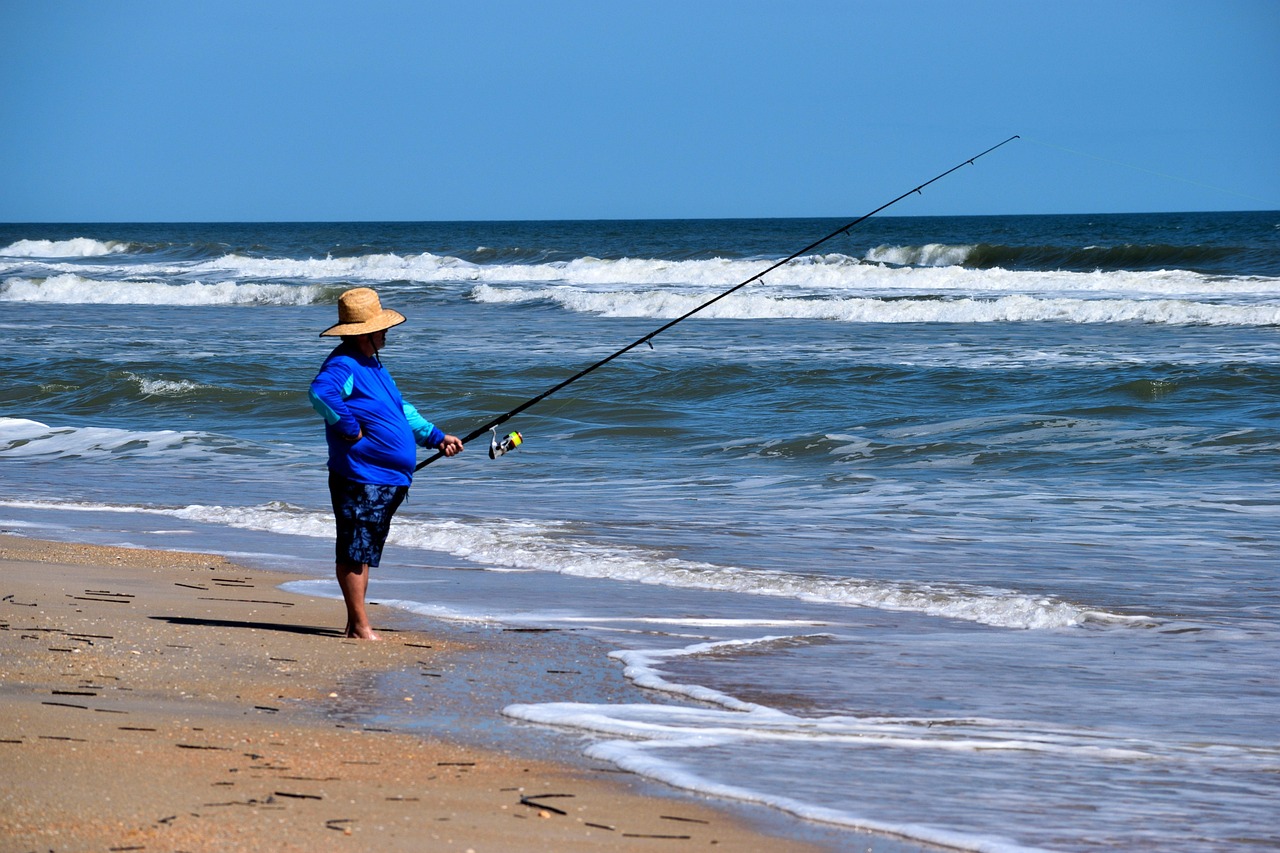
Surf fishing is an exciting outdoor activity that requires knowledge about fishing regulations and licensing. Each state has specific rules designed to protect fish populations and ensure sustainable practices. Anglers should familiarize themselves with local laws governing surf fishing, including size and bag limits, restricted areas, and specific bait regulations. Understanding these regulations helps maintain the ecological balance of marine environments. Furthermore, rules may dictate when and where you can fish, emphasizing the importance of local knowledge. Before embarking on a surf fishing trip, it is essential to check for the latest updates to fishing regulations. A valuable resource for finding state-specific rules is the website of the local wildlife agency. Licensing is another critical aspect of surf fishing, as many states require anglers to possess a fishing license. Obtaining this license often necessitates completing a brief educational course on fishing best practices. Anglers without the proper license may face significant fines. In many areas, licenses can be purchased online, offering convenience and accessibility for aspiring surf fishers. Always carry a copy of your fishing license when fishing.
There are various types of fishing licenses available, depending on your location, age, and the duration of your fishing interests. For instance, many states offer annual, multi-day, and lifetime fishing licenses. Moreover, there are often reduced-price licenses for children, senior citizens, and military personnel. Some regions also provide special surf fishing permits, allowing access to unique fishing areas reserved for surf fishers. This may include prime beach locations that are less crowded, enhancing your fishing experience. Alongside understanding the types of licenses, it’s essential to identify any additional permits required for surf fishing. For instance, certain locations may have special access restrictions that necessitate additional permits. Local regulations can vary significantly, so it’s advised to read the rules and guidelines related to your chosen fishing spot. Furthermore, stay updated on seasonal fishing limits and changes in regulations that may arise due to environmental factors or conservation efforts. Anglers should always practice ethical fishing and abide by local laws to ensure the sustainability of fish populations and preservation of marine ecosystems. Engaging responsibly in surf fishing reflects a positive attitude towards conservation.
In-Depth Look at Local Regulations
To help surf fishers navigate the complexities of local regulations, various resources are available, including online databases and mobile apps. These platforms provide current information regarding size limits, seasonal restrictions, and particular bait regulations tailored to different types of fish found in coastal waters. Familiarizing yourself with these resources can significantly enhance your chances of a successful fishing trip. Furthermore, local fishing clubs and bait and tackle shops often serve as valuable sources of information. Staff members are typically knowledgeable about current conditions and regulations impacting the area. When visiting a new location, engaging with local experts can help improve your fishing skills and understanding of best practices. Attending regional fishing meetings and workshops is another method to stay updated on changes to regulations and fishing techniques. Apart from learning about regulations, these events promote a sense of community among anglers. Interactive workshops often cover topics such as ethical fishing, conservation, and eco-friendly practices that minimize your impact on the marine environment. Becoming active in local fishing communities fosters connections and enriches your overall surf fishing experience.
Environmental factors play a crucial role in shaping surf fishing regulations. Weather events, such as storms and droughts, can have significant impacts on fish populations and their migratory patterns. Consequently, regulatory bodies may impose temporary restrictions on fishing to protect vulnerable species during critical lifecycle stages, like spawning. Being aware of these environmental considerations can help surf fishers plan their fishing trips responsibly. Much of the information associated with environmental impacts can be found in local fishing reports and news articles published by wildlife agencies. Many resourceful anglers also contribute to conservation efforts by adhering to catch-and-release practices, ensuring that only healthy fish return to the water. These practices enhance fish survival rates and maintain population sustainability in surf fishing areas. Moreover, educating fellow anglers about the implications of poor fishing practices and the importance of adhering to regulations fosters a responsible fishing culture. Participating in environmental workshops and clean-up activities helps create a positive fishing environment while highlighting the significance of collective responsibility in preserving fish populations for future generations. Strong community involvement leads to a shared commitment to marine conservation.
Surf Fishing Species and Their Regulations
Understanding the various species targeted in surf fishing aids in comprehending relevant regulations. Frequently sought fish include striped bass, flounder, and bluefish, each possessing unique size and bag limits. For instance, striped bass may have a size limit of 28 inches with a bag limit of one fish per day in certain regions. Familiarizing oneself with the preferred species of the locale can significantly impact your fishing success. Moreover, other species, like flounder, are regulated differently. In some areas, the minimum size might be around 18 inches, and the bag limit could be three fish per day. Always consult local regulations before heading out. Licensing authorities periodically review and modify these limits based on fish population data and ecological studies, emphasizing the need for constant awareness of current regulations. Being well-informed about targeted species and associated regulations contributes to sustainable surf fishing practices. Furthermore, it is vital to identify seasonal migration patterns for the sought-after species. Adjusting your fishing schedule accordingly can lead to more successful catches and minimize ecological disruptions.
Educating yourself about alternative fishing practices is beneficial for responsible surf fishing. Many anglers opt for catch-and-release techniques, which help sustain fish populations while still enjoying the thrill of the experience. Practicing catch and release involves using barbless hooks, handling fish with care, and promptly returning them to the water to minimize stress. Encouraging the use of this technique among your fishing peers cultivates an environmentally conscious culture within the surf fishing community. Building awareness also extends to using sustainable bait options that do not harm native marine species. Many surf fishers advocate for the use of natural bait, such as sand crabs, as opposed to using artificial lures that could negatively impact local ecology. Furthermore, staying informed about changes in regulations related to bait usage reflects a commitment to responsible fishing practices. Engaging in discussions with fellow anglers can help foster knowledge sharing about sustainable techniques and tools utilized in surf fishing, further promoting conservation efforts. By participating in local surveys or interviews regarding fish populations, anglers can also contribute to wider research and conservation initiatives focused on improving the health of marine environments.
Conclusion and Best Practices
In conclusion, understanding surf fishing regulations and obtaining the necessary licenses is essential for responsible participation in this fulfilling outdoor activity. Knowledge is paramount for adhering to local regulations and supporting sustainable practices aimed at protecting fish populations and marine ecosystems. Anglers should continually educate themselves about their local environment while staying informed about seasonal regulations and permitted fishing methods. Moreover, establishing connections within the surf fishing community enhances the overall experience and creates a supportive network committed to responsible practices. Each fisher plays a vital role in conserving marine resources for the next generation. Take advantage of available resources, such as online databases, local fishing reports, and workshops, to ensure you are equipped with accurate information. Committing to ethical fishing practices, including catch-and-release techniques and using sustainable bait, can minimize adverse impacts on marine habitats. Ultimately, by embracing an environmentally conscious approach to surf fishing, you’ll not only improve your own fishing success but also contribute positively to the long-term health of coastal ecosystems. Share your passion by practicing and promoting responsible fishing within the community, and invite others to join in this thrilling pursuit.