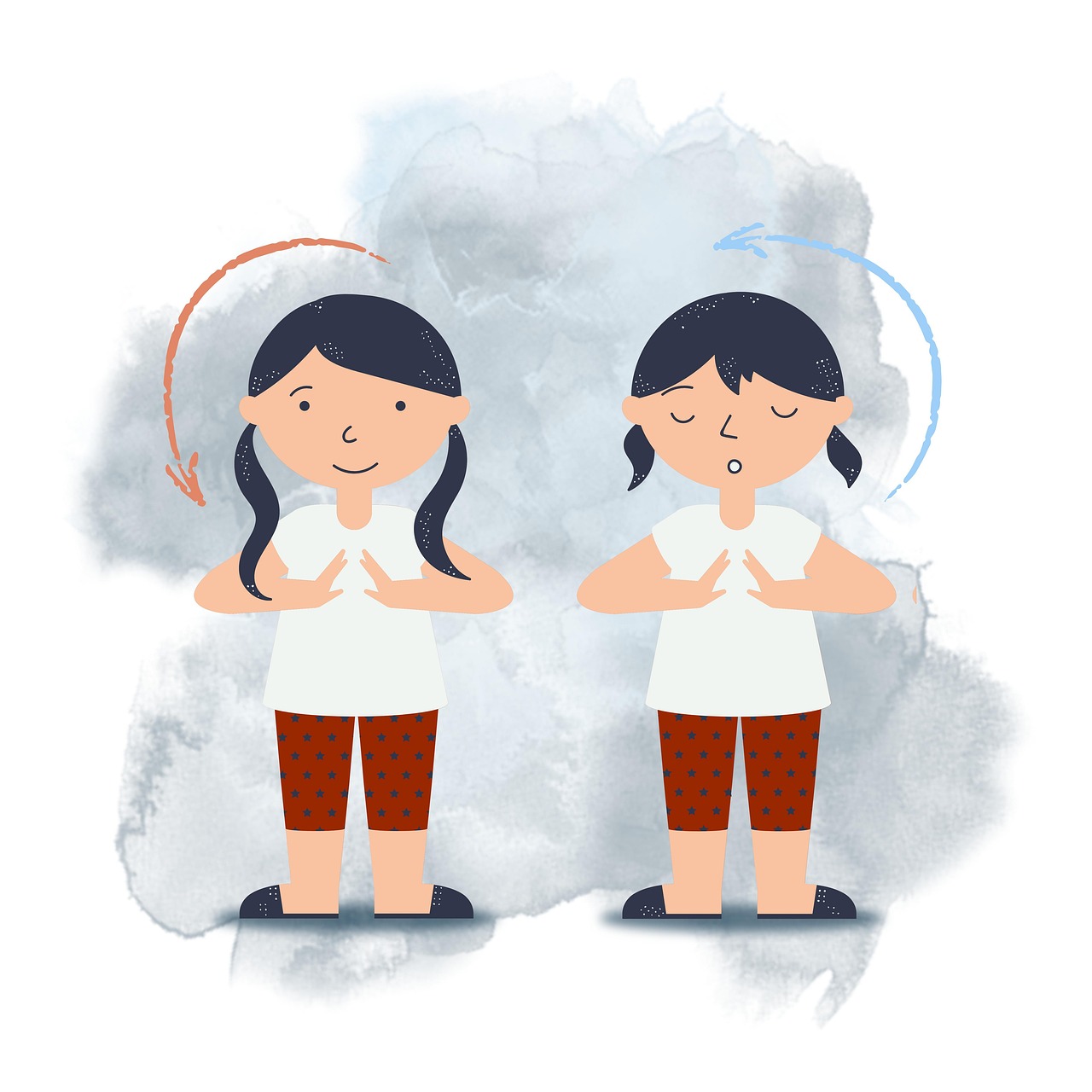

Yoga Breathing Techniques for Kids with Asthma
Incorporating yoga breathing techniques into a child’s routine can benefit those with asthma significantly. These methods help promote relaxation and improve lung capacity. Children can learn to manage their breath through specific exercises. First, it is important for children to understand how to inhale deeply through their nose, filling their lungs completely. Next, they should learn to exhale slowly through their mouth, releasing tension. Practicing such techniques enhances their control over breathing. Furthermore, engaging in yoga regularly can reduce anxiety, which is crucial as stress may trigger asthma symptoms. Yoga encourages mindfulness, allowing kids to focus on their breath and body. They can create a friendly atmosphere by practicing with family or friends. Parents should also invest time in learning these techniques along with their children. Practicing together can provide emotional support and reinforce healthy habits. Many yoga classes tailored for children emphasize breath awareness. Utilizing guides or videos can assist families in implementing these practices at home effectively. Overall, the integration of yoga breathing can lead to improved health and well-being for kids with asthma.
One popular technique is the “Bunny Breath.” This exercise involves taking short, quick breaths through the nose, followed by a long, smooth exhale. It encourages kids to control their inhalation while engaging in a fun activity. Additionally, using visualization can improve the experience. For example, children can imagine they are filling a balloon with air as they inhale. This strengthens the connection between breath and physical sensations. Another effective technique is called “Candle Breath.” In this practice, children pretend they are blowing out a candle. They take a deep breath and then exhale gently, like a soft breeze moving away from a flickering flame. This technique reinforces slow exhalation, vital for asthma management. Practicing these fun breathing exercises regularly can equip kids with effective strategies. They learn to recognize their breathing patterns and better manage asthma attacks. Collaborating to create a routine can also be beneficial for families. Keeping these activities engaging will encourage children to practice more frequently. Over time, kids will notice positive changes in their comfort levels during various activities. Remember to introduce breathing exercises gradually and tailor them to individual comfort levels.
Consistency is key when it comes to practicing yoga for asthma management. Setting aside regular times for practice not only helps establish a routine but also allows children to develop a sense of ownership over their health. Along with breathing techniques, incorporating gentle stretches and poses can enhance overall lung function. Poses like the “Cat-Cow” and “Child’s Pose” promote flexibility while encouraging deep breathing. They also allow kids to focus on relaxation, further alleviating stressors associated with asthma. Additionally, encouraging children to maintain a comfortable practice environment is essential. Ensure proper ventilation and a calm atmosphere while practicing yoga at home. Using calming music or nature sounds can create an inviting atmosphere. It is also important to let children set their pace during yoga sessions. They should feel free to explore different techniques and poses at their comfort levels. Observing how they feel during practice is equally important. Parents should ask children to describe their experiences after yoga sessions. This reflection can lead to deeper understanding and engagement in their practice. As kids become more aware of their breathing, they gain confidence in managing asthma effectively.
The Role of Mindfulness in Yoga Breathing
Mindfulness plays a crucial role in yoga breathing techniques for kids with asthma. This mental practice encourages awareness of the present moment. Kids learn how to focus on their breath, which can reduce anxiety that may accompany asthma symptoms. Teaching mindfulness involves simple exercises like paying attention to their breathing for a few minutes. Children can sit or lie down comfortably, concentrating on each inhalation and exhalation. Over time, they will notice the effects of this focused attention on their body and breath. Mindfulness helps kids recognize when they’re feeling anxious or short of breath. They can then apply their breathing techniques promptly. Practicing mindfulness not only aids in asthmatic episodes but also enhances overall emotional resilience. Studies have shown that children who practice mindfulness experience improved emotional regulation. Families can help establish a mindfulness routine by having regular discussions. Setting aside time for reflection can create deeper connections. By integrating these practices into daily life, kids become more aware of their body’s reactions to stressors. Additionally, cultivating mindfulness in yoga can foster a peaceful mindset beyond the mat. This overall practice ultimately leads to healthier attitudes toward asthma management.
There are also many resources available for families looking to integrate yoga into their wellness routines. Books and online platforms offer guided yoga sessions designed specifically for children. Many of these resources include age-appropriate illustrations and language that makes learning engaging and fun. Moreover, apps focused on children’s yoga can provide interactive experiences, introducing various breathing techniques and poses through playful animations. Parents may consider enrolling their children in local yoga classes. These classes often foster social engagement while allowing kids to learn alongside peers. In addition, instructors often possess expertise in working with children with specific needs. Parents should share any relevant health information with instructors to ensure the safest possible environment for their kids. Community centers and wellness studios may offer these child-friendly classes. Also, watching family-friendly yoga videos can be an excellent resource for practicing at home. Encouraging kids to try these activities will help them become more confident in their abilities. Ultimately, accessing these resources can lead to a more successful and fulfilling yoga experience for children facing asthma challenges.
As children progress in their yoga practice, they will likely recognize the personal benefits of these techniques. Enhanced lung health, improved focus, and reduced anxiety levels are common outcomes. It is crucial for parents to celebrate their children’s achievements along the way. Emphasizing the growth they experience through yoga will motivate continued practice. Additionally, setting personal goals can help kids remain engaged in their progress. For example, they might aim to practice yoga consistently or master a particular technique. Regular check-ins can maintain motivation and allow children to reflect on their experiences. Furthermore, educating children about asthma triggers is essential. Understanding personal triggers empowers kids to manage their condition effectively. Pairing these insights with yoga breathing allows them to navigate their lives with greater ease. Such awareness can help them preemptively respond to asthma symptoms or environmental factors. Kids will become advocates for their own health as they develop coping strategies. As a result, their self-confidence will flourish. The journey of integrating yoga into their lives will not only help them manage asthma but also promote overall well-being.
Conclusion: Yoga’s Lasting Impact on Asthma Management
In conclusion, yoga breathing techniques present a promising approach for children dealing with asthma. These practices foster respiratory control, enhance emotional resilience, and improve mindfulness. Parents and caregivers play an integral role in supporting children’s journeys. By providing encouragement, resources, and a supportive environment, families can help their kids explore the world of yoga. As children engage in regular practice, they will develop tools to manage asthma effectively and confidently. The benefits extend beyond physical health, influencing emotional well-being as well. Kids will learn to recognize their bodies deeply and respond positively to various situations. Through dedication and consistent practice, children with asthma can thrive. Establishing a positive relationship with yoga will offer lifelong tools to navigate challenges. Over time, the integration of breathing techniques into daily life can significantly impact their quality of life. It is imperative that the conversation continues around the importance of such techniques for children with asthma. Parents and instructors should actively promote awareness and education. With a growing interest in wellness, yoga can become an essential part of every child’s health journey.
The journey of integrating yoga into children’s lives, particularly those with asthma, opens new doors for health and well-being. Together, families can become advocates for effective management strategies, emphasizing progress over perfection. Building a foundation rooted in breathing techniques empowers kids to take control of their health. Throughout their journeys, they will discover the joy of movement and breathing, leading to more fulfilling experiences. As they dive deeper into their practice, children will likely connect with their inner selves. This awareness fosters resilience and adaptability, skills essential in managing asthma and general well-being. It is never too late to start exploring these practices, regardless of where one begins. The path to health and wellness is a journey often filled with surprises. Embracing yoga opens a world of possibilities for children as they navigate the challenges of asthma. Practicing mindfulness allows them to engage with their bodies in a new light. Ultimately, the focus on breathing strengthens their ability to respond effectively during an asthma episode. Providing a loving and supportive environment is crucial for children to flourish. Together, they can transform challenges into opportunities for growth and wellness.