
Advanced Defensive Positioning to Dominate the Court
In volleyball, mastering advanced defensive positioning is crucial for successful gameplay. A player’s location on the court can significantly influence the team’s ability to defend against spikes and attacks. Defensive strategies should encompass proper footwork, anticipation skills, and awareness of the ball’s trajectory. Additionally, players should effectively communicate with teammates to ensure seamless movements without collisions. Key defensive positions include the Libero and outside hitter, each requiring specific positioning techniques. For example, the Libero plays a pivotal role in reception and should position themselves based on the team’s formation and the server’s skills. Understanding these nuances can improve individual and collective performance on the court. Practice drills focused on defensive movements enhance muscle memory, improving players’ speed and agility during actual matches. Whether tracking the ball or anticipating the opponent’s moves, each moment on the court calls for strategic thinking and execution. Additionally, training sessions should include situational analysis, allowing players to learn from both successful and unsuccessful defensive plays. Commitment to continual improvement in defensive techniques will elevate any volleyball team’s chances of success.
Successful communication is a vital component of effective defensive positioning in volleyball. When players anticipate each other’s movements, they can cover the court more effectively and respond better to unexpected plays. Vocal calls during a game assist in signaling intentions and assignments, allowing teammates to react accordingly. Furthermore, non-verbal communication is equally crucial; eye contact can establish trust and understanding between players. Moreover, embracing feedback from coaches and teammates can boost a player’s confidence and performance. It is essential to remain adaptable during the game as opponents might change their strategies. Therefore, players must continually refine their awareness and understanding of the game dynamics. Practicing situational drills encourages players to work in tandem, increasing their familiarity with various defensive formations. As players practice changing defensive positions based on the evolving circumstances on the court, their effectiveness will improve significantly. In addition, emphasizing athleticism through strength and conditioning exercises will benefit players in achieving a more dynamic presence on the court. Overall, a blend of communication, adaptability, understanding, and athleticism plays a fundamental part in mastering advanced defensive positioning.
Utilizing the Libero Position
The Libero position is specifically designed for defensive specialists who play a critical role in the team’s success during matches. Liberos are typically the best defenders, characterized by their exceptional ball control and the ability to read opposing attackers. Understanding when and how to enter the game is essential for all players aspiring for this role. A Libero must excel in serve-receive situations while maintaining a low center of gravity for quicker movements. Their flexibility allows them to dive for balls and make scrambling plays that other players might avoid. Choosing the right moment to leave the back row is crucial, as Liberos cannot attack the ball above the net height. Training routines should focus on enhancing the Libero’s agility, reaction times, and coordination skills. Drills like side-to-side shuffling and quick footwork can solidify their foundational skill set. Encouraging a Libero to study attack patterns during gameplay will enhance their anticipation skills. Ultimately, a Libero’s dedication to improving defensive skills influences the entire team’s dynamics, success in rallies, and overall performance.
The concept of reading the game applies not only to Liberos but also to all defensive players on the court. Each player should develop the ability to analyze the rhythm and patterns of the opposing team’s attacks. This ability ensures that defensive players react promptly rather than merely dodging incoming balls. Observing the angles from which opponents spike or serve can help predict the next moves. It is beneficial to train with experienced players who can offer insights into recognizing these patterns. Video analysis can also enhance understanding; reviewing past games enables players to grasp successful defensive maneuvers. Experimenting with varied court formations can uncover players’ strongest positions during defensive plays. Encouraging players to remain proactive rather than reactive creates a more formidable defense. The more players practice these skills, the more instinctive their movements will become during live matches. Continuous repetition fosters familiarity, leading to quicker reflexes when the opposing team launches an attack. Emphasizing mental sharpness complements physical readiness, ensuring players maintain a competitive edge throughout the game.
Strategies for Effective Digging
Diving or digging is a critical defensive skill every volleyball player should master. It allows players to retrieve balls that seem impossible to get, providing vital opportunities for their team to counterattack. The technique involves bending at the knees while maintaining a strong core and extending the arms forward, with hands pressed together, forming a ‘platform.’ Proper execution reduces the risk of injury while maximizing ball control. Players should practice digging against live attacks consistently to build confidence and hone their skills. Forming and maintaining a strong base through effective footwork is necessary, allowing players to dive in any direction swiftly. Training drills should simulate game scenarios, enhancing players’ ability to respond to powerful jumps from opponents. Additionally, understanding the angle and speed of the ball will help players respond effectively during a match. Analyzing different hitting techniques from opponents also provides insight into how to approach digging. A well-timed dive can lead to a remarkable play or a surprising counterattack, inspiring the team and energizing the atmosphere. Committing to practicing digging can significantly enhance on-court performance.
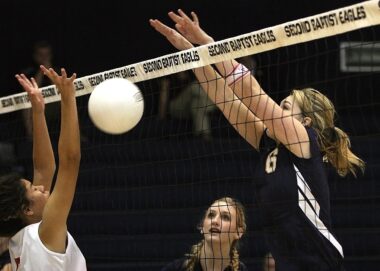
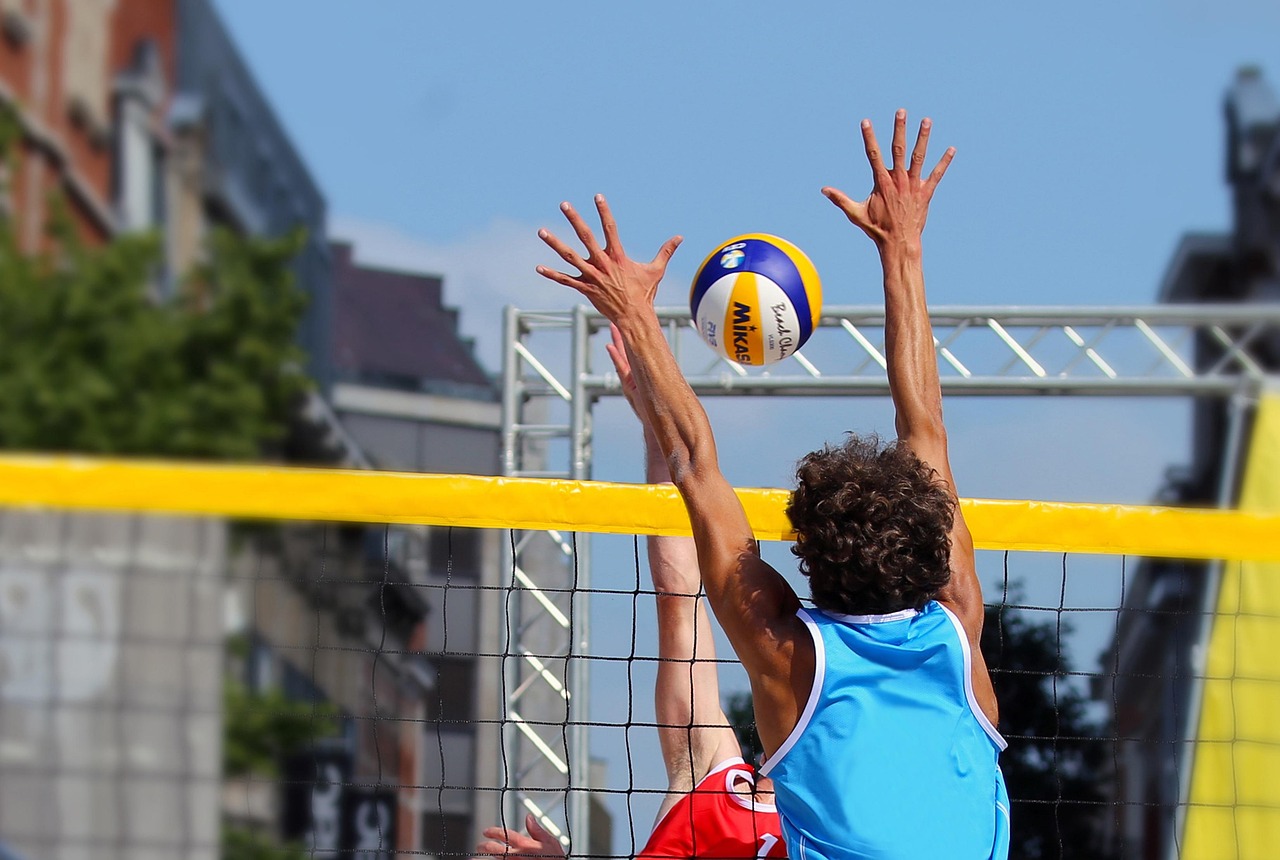
Incorporating strategic positioning based on play dynamics is another essential component of advanced defensive techniques. Players should learn to recognize when to shift their positioning according to the serve rotation and opposing players’ attacking patterns. Regular drills that simulate these scenarios are vital to achieve effective synergy in defensive maneuvers. A solid understanding of team strategy combined with individual strengths empowers players to anticipate not just their movements but also their teammates’. Successful teams exhibit cohesion characterized by smooth transitions during play. Establishing roles and responsibilities aids players in understanding expectations and increasing defensive effectiveness. The ability to switch between blocking and digging positions fluidly enhances defensive strategies further, enabling players to alter their positioning instinctively. Assessing the opponent’s tendencies plays a crucial role; defensively stronger teams capitalize on their opponent’s weaknesses, while maintaining a high level of awareness proactive. Constantly adapting to real-time game changes ensures that teams can counter a variety of offensive plays successfully, thereby achieving defensive fortitude vital for success on the volleyball court.
Continuous Improvement and Growth
Commitment to daily practice and constant skill development is essential for volleyball players aspiring to excel in advanced defensive positions. Engaging in consistent drills targeting defensive techniques can solidify players’ skills and enhance teamwork. Each training session should include various exercises focusing on quick reflexes, agility, and coordination. Participating in mixed drills, which involve offensive and defensive play, strengthens decision-making in rapid scenarios. Moreover, seeking feedback from coaches fosters growth through constructive criticism. Players should embrace the idea that mistakes during practice are learning opportunities. Developing effective defensive skills takes time, and players must remain patient and dedicated to the process. Attending workshops or specialized training camps led by experts provides additional guidance and enriches players’ understanding of advanced techniques. Collaborating with peers during practice sessions encourages healthy competition and idea exchange, enhancing overall performance. Ultimately, cultivating a growth mindset fuels a commitment to improvement, directly influencing individual performance and the team’s success. Coaches and players alike should focus on evolving skill sets while celebrating progress, no matter how small.
Advanced defensive techniques can significantly impact a volleyball team’s overall success. Embracing flexibility in strategy and collaboration on defense can create a formidable obstacle for opponents. By understanding multiple defensive roles, players are better equipped to handle varying game situations effectively. Training for advanced defensive skills is not merely about individual capability; team cohesion amplifies defensive efforts and positively influences match outcomes. A unified front encourages players to support one another, enhancing overall teamwork and synergy. It is essential to celebrate successes and learn from defeats as part of the journey toward mastery. Through continuous practice, dedication, and focus on advanced techniques, players transform their defense into a vital asset that can turn the tide of a match. As players incorporate advanced techniques into their gameplay, they become an unstoppable force on the court, constantly evaluating and adapting to their opponent’s gameplay. Adopting this mindset will lead to improved performance during competitive matches. Highlighting the importance of mental toughness and resilience alongside skill practice also creates well-rounded athletes. In conclusion, securing mastery of advanced defensive positioning allows teams to gain a competitive advantage and dominate the court.