
Bodyweight Core Movements to Enhance Athletic Performance
Bodyweight exercises that focus on the core are essential for enhancing overall athletic performance. Through various movements, individuals can develop significant strength and stability in their central region. Strong core muscles aid in improving balance, power, and overall endurance. As athletes engage more in dynamic sports, a resilient core becomes fundamental to their success. Exercises like planks, mountain climbers, and various twists help strengthen the abdominal muscles which support the spine and improve posture. Athletes should incorporate these types of exercises into their regular training regimen. It not only enhances their core stability but also minimizes the risk of injury during demanding physical activities. Core workouts can be done almost anywhere, requiring no special equipment, just a flat surface and commitment. To get started, focus on maintaining proper form throughout each exercise, breathing steadily, and gradually increasing the intensity. Bodyweight exercises can be adjusted easily to suit different fitness levels, making them accessible to both novice and experienced athletes alike. Additionally, a consistent core workout routine can lead athletes to stronger performance metrics, such as increased speed and agility on the field.
The plank is one of the most effective bodyweight exercises for core strength that athletes can perform. This exercise targets various muscle groups effectively, including the abdominals, back, and shoulders. To perform a plank, one must lie face down and elevate the body onto the forearms and toes, keeping the body straight like a plank. Key aspects include ensuring that the back remains flat and avoiding sagging hips that could lead to lower back strain. As the core engages, athletes should feel their abdominal muscles working vigorously, offering a fantastic challenge. For progression, athletes can increase the duration of the hold or introduce variations like side planks or plank jacks that enhance intensity. Performing this exercise consistently can lead to noticeable improvements in strength and stability, benefiting performance in sports requiring strong rotational movements. Furthermore, maintaining a focus on breathing is crucial, allowing for extended holds and better engagement of the core muscles. Regularly incorporating planks into a training routine helps develop both physical and mental stamina, allowing athletes to endure longer and more intense workouts without exhausting quickly.
Benefits of Mountain Climbers
Mountain climbers are another dynamic bodyweight exercise that can significantly enhance core strength while also providing a cardiovascular component. This full-body workout requires the core to remain tight while alternating leg movements. To perform mountain climbers, start in a plank position and quickly drive the knees towards the chest, alternating legs swiftly. This explosive movement not only engages the abs but also works the shoulders and legs, creating a comprehensive workout. Building speed and maintaining stability throughout the movement is integral, as this promotes better control and balance. Alternatively, athletes can slow down the movement for a more focused core strengthening approach. Mountain climbers also improve coordination and agility—skills that are essential for athletic performance. By incorporating this exercise into a routine, athletes gain greater cardiovascular endurance alongside core strength, making it a highly efficient exercise. Additionally, mountain climbers can easily be modified for different fitness levels, making them accessible to anyone, regardless of their experience. Engaging in these challenging moves consistently can lead to improved functionality in sports and overall fitness.
Incorporating various twists and rotational exercises into a core workout can further amplify core strength. One effective movement is the Russian twist, which targets the oblique muscles prominently. To perform this exercise, sit on the ground with the knees bent and feet lifted slightly off the floor, keeping the back straight. Twisting the torso to touch the ground beside each hip helps engage the core while improving total body balance and stability. This rotational movement mimics actions frequently seen in many sports, making it highly functional for athletes. For added intensity, athletes can hold a weight or medicine ball while performing the Russian twist to challenge the core more. Alternatively, variations such as the standing rotational twist can be employed, allowing for the engagement of more stabilizing muscles. Consistently performing rotational core exercises can help increase functional strength, which translates beneficially to athletic performance, enhancing quick turns, changes in direction, and overall explosiveness.
The Importance of Stability Ball Exercises
Stability ball exercises offer a fantastic way to enhance core strength and balance through bodyweight movements. When working with a stability ball, individuals can perform various exercises such as ball passes, wall squats, and stability ball planks that engage the core intensively. To execute a wall squat, place the ball between the back and the wall, then slide down into a squat position while engaging the core. This maintains balance and activates the back muscles. Furthermore, performing exercises like ball passes requires coordination, as the ball is transferred from hands to feet and back. Engaging the core is essential during these movements to maintain stability without losing control of the ball. Stability ball exercises are particularly beneficial for improving posture and lower back integrity, crucial for athletes who face physical strains often. Regularly including these exercises into a core routine can enhance overall functional strength that relates well to athletic performance in field-based or court sports. As athletes combine balance training with core workouts, they develop enhanced body awareness and muscular control.
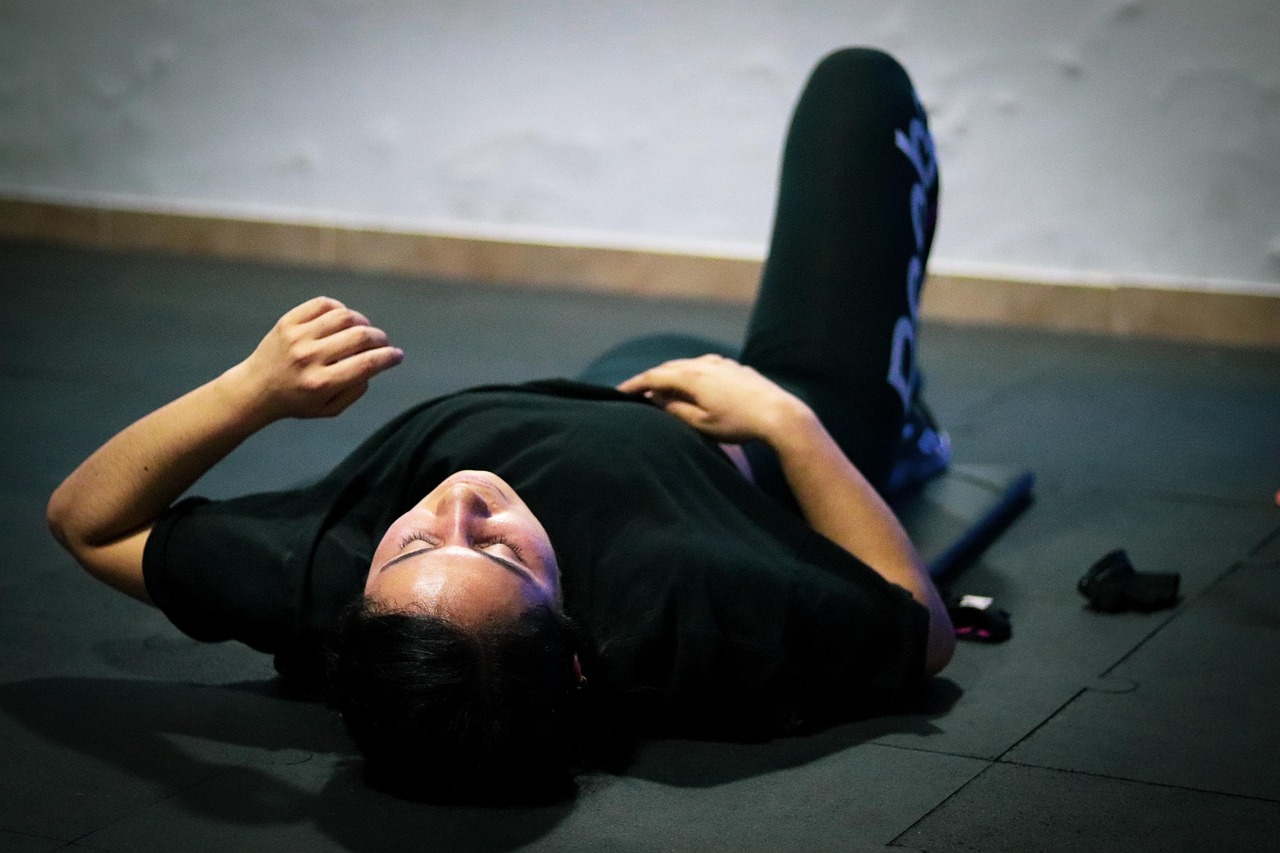
Another excellent bodyweight movement to consider for core development is the bicycle crunch. This exercise is highly effective at targeting the entire core musculature, including the abdominals and obliques. To perform bicycle crunches, lie on your back while bringing the knees up and alternating elbow to opposite knee in a fluid motion. Precision and control are essential here; the focus should remain on engaging the core and maintaining a steady pace. By twisting and extending the legs, athletes can enhance not only their core strength but also flexibility in the hips. This exercise simulates movements commonly used in many athletic endeavors, effectively supporting the athlete’s performance. For progressive overload, increasing the number of repetitions can lead to greater strength development over time. Furthermore, including bicycle crunches provides flexibility to the routine when paired with other bodyweight exercises. Through consistent practice, athletes can notice improvements in their core stability, aiding them in enhancing their performance in various sports.
Conclusion: Evolving Core Workout Routines
Integrating these bodyweight core exercises into a workout regimen can lead to boosted athletic performance significantly. Core strength acts as a foundation for all other physical activities, enhancing everything from balance to explosive power. In constructing a balanced routine, athletes should include movements such as planks, mountain climbers, twists, and stability ball exercises. The diversity in these workouts ensures that the core is challenged from multiple angles, cultivating well-rounded strength. By focusing on bodyweight exercises, athletes also minimize equipment dependency, allowing for greater flexibility in training environments. Moreover, core workouts can be scaled easily, catering to both beginners and advanced practitioners. This makes it ideal for varied fitness levels, simplifying the integration of core exercises into a full training protocol. Additionally, constant evolution through exercise variations keeps routines engaging and progressive, ultimately fostering a passion for fitness. As athletes realize the importance of such workouts, they become better equipped for enhanced performance on the field, court, or in any sport. Consistency in training combined with patience will inevitably result in meaningful progress in core strength and athletic endeavors.
This section wraps up the exploration of bodyweight core exercise options, underscoring their importance in athletic performance enhancement. Emphasizing the commitment to core training allows individuals to uncover their true physical potential, unlocking improved capacities in their respective sports. Motivating self-efficacy is crucial as training becomes a journey of progressive growth. Embracing routine core workouts provides a strong foundation to build upon, encouraging athletes to push their limits further. With a variety of exercises available, developing a tailored routine can stimulate consistent engagement and enthusiasm in fitness practices. Transformations in athletic performance can often come from unexpected areas, making core training an essential aspect that cannot be overlooked. It is highly recommended to maintain awareness of form and precision, ensuring high quality over sheer numbers during the workouts. As this article illustrates, through effective movement patterns and strategic training plans, athletes cultivate strength that translates into athletic environments. The presented core movements offer each individual the space to grow, thrive, and elevate their performance to new heights. A commitment to core training is not merely about aesthetics; it plays a pivotal role in athletic success.