
Creating a Personalized Meditation Routine for Senior Fitness
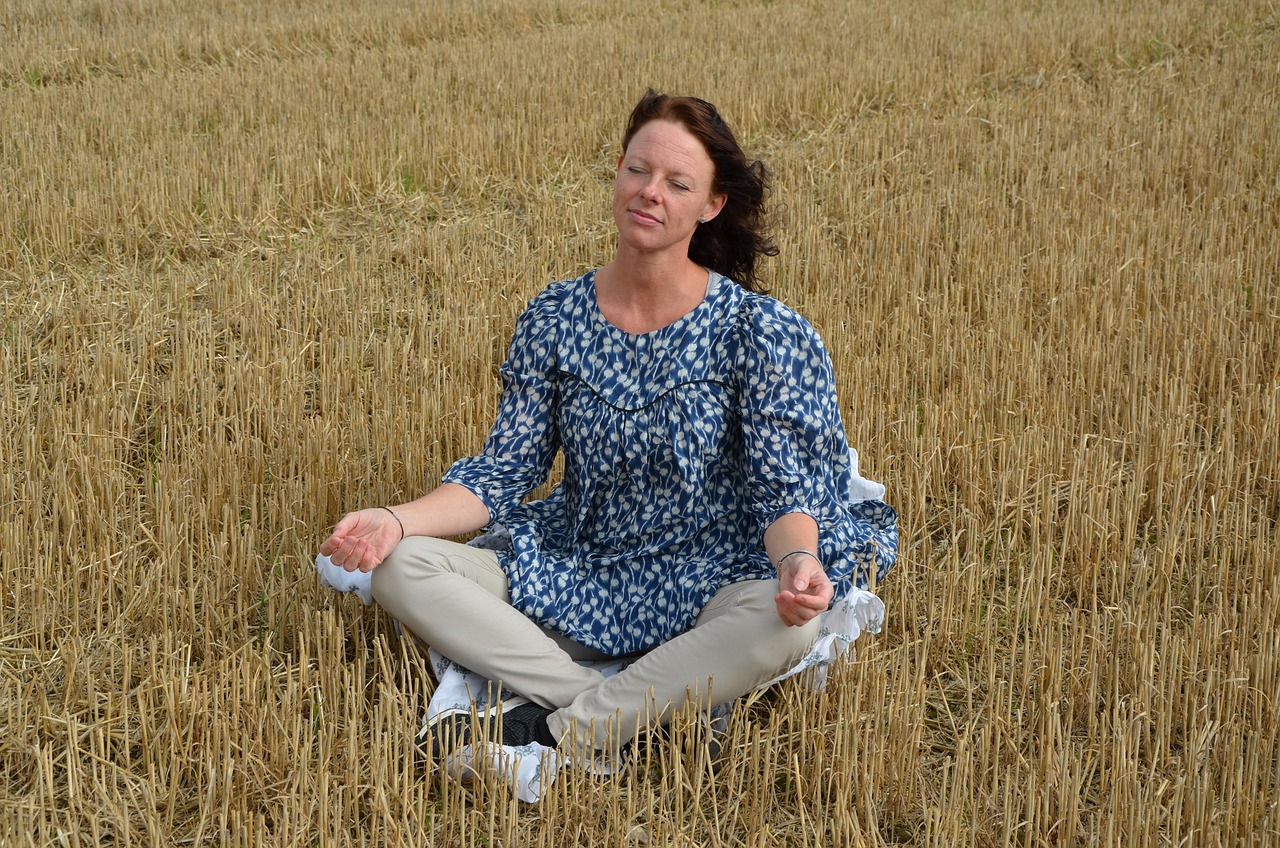
As seniors embrace fitness and wellness in their lives, creating a tailored meditation routine can significantly enhance their overall well-being. Meditation not only aids in relaxation but also improves mental clarity and emotional stability. Start by identifying a peaceful environment that feels comfortable and inviting. Seniors should sit or lie down in a position that allows for relaxation without discomfort. With their eyes closed, focus on the breath, inhaling deeply through the nose and exhaling gently through the mouth. This breathing pattern helps lower blood pressure and promotes a sense of calm. Additionally, incorporating gentle stretches before meditating can alleviate any physical tension. Consider using visualization techniques where seniors picture serene landscapes or memories that bring them joy. Simple guided meditations can also be beneficial; resources like apps or local classes may provide additional support. Establishing a regular schedule, whether daily or several times a week, reinforces the benefits of meditation. This routine promotes a healthier mindset and cultivates resilience against challenges. Ultimately, personalization is key. Encouraging seniors to adapt their routine based on their preferences makes meditation more enjoyable.
Having set a foundation, the next step involves exploring various meditation techniques suitable for seniors. Some popular methods include mindfulness, loving-kindness meditation, and body scan techniques. Mindfulness meditation encourages individuals to focus on the present moment, observing thoughts without judgment. This practice reduces anxiety and cultivates a greater sense of self-awareness. Loving-kindness meditation focuses on developing positive emotions towards oneself and others, which is particularly beneficial for enhancing happiness and social connections. Body scan meditation is another excellent option where seniors focus their attention on different parts of their body, promoting relaxation and awareness. To enhance the experience, seniors might select calming music or nature sounds in the background. Gradually, they can increase the duration of their sessions, starting from just five minutes and working up to twenty or more. Joining group meditation classes can foster a sense of community and shared experience, which is valuable for seniors looking to combat isolation. Facilitators can guide these sessions, making it easy for participants to engage. Finding a routine that feels right fosters consistency and deeper relaxation, ultimately enhancing overall wellness.
Benefits of Guided Meditation for Seniors
Guided meditation offers numerous benefits specifically valuable to seniors seeking to enhance their physical and mental well-being. One major advantage is stress reduction, which can alleviate symptoms associated with anxiety and depression. Stress management becomes increasingly important as one ages, helping individuals maintain emotional health. Additionally, guided meditation aids in cognitive function enhancement, improving memory and focus. By regularly participating, one may help stave off cognitive decline associated with age. Another benefit lies in promoting better sleep quality; many seniors struggle with insomnia, and meditation serves as an effective tool for relaxation, allowing for deeper sleep cycles. Likewise, this practice encourages mindful living, reminding seniors to focus on present moments rather than dwelling on the past or worrying about the future. Improved emotional regulation is a further benefit; meditation teaches individuals to respond to challenges with calmness rather than reactivity. This ultimately fosters resilience. Importantly, guided meditations can be easily accessed through various platforms, making it convenient for seniors to engage independently at home or in group settings. This accessible format encourages regular practice, amplifying positive outcomes.
Another significant aspect of a personalized meditation routine involves incorporating flexibility and adaptability to meet individual needs. Every senior has unique preferences, body types, and mobility levels. Therefore, meditation practices should be adjusted accordingly for maximum comfortable engagement. For instance, seniors who may experience stiffness or discomfort while sitting can explore alternative postures like lying down or using supportive cushions. Additionally, using props such as blankets or bolsters can further enhance comfort during meditation. Moreover, consider varying the duration and intensity based on daily circumstances; some days may require longer sessions, while others may call for brief but focused meditations. Keeping a journal may help seniors track their meditation experiences, noting how specific techniques or intentions affect their mood and physical sensations. This practice encourages mindfulness outside of meditation too, positively impacting daily life. Moreover, incorporating a variety of themes or intentions can elevate personal relevance; dedicating meditation to gratitude, compassion, or healing encourages deeper emotional connections. Ultimately, encouraging flexibility allows seniors to customize their practice, enhancing both effectiveness and enjoyment.
Incorporating Technology for a Better Experience
In today’s rapidly evolving technological landscape, seniors can greatly benefit from utilizing available resources to enhance their meditation experience. A myriad of apps provide guided meditations tailored for older adults, aiming to facilitate ease of access and usability. Platforms like Headspace, Calm, or Insight Timer present various options to suit different preferences. By leveraging smartphones or tablets, seniors can explore a wide range of meditations, from short sessions to extended practices, and even guided sleep meditations designed to improve relaxation. Some apps offer reminders for regular meditation, promoting consistency within practice; such built-in features help integrate meditation into daily routines seamlessly. Furthermore, meditation podcasts can also serve as an excellent resource, providing access to expert guidance and various transformational stories. Seeking community through online forums or groups may foster connection and mutual support as individuals learn and grow together. Online video platforms may further enrich the experience, enrolling seniors in classes led by experienced instructors via live streams or pre-recorded sessions. Incorporating technology ultimately becomes a conduit for tapping into both resources and community, ensuring seniors remain engaged in their meditation journey.
As individuals embrace their personalized meditation routine, it is vital to maintain a positive mindset and celebrate progress regularly. Acknowledging any improvements, whether they be emotional insights, physical relaxation, or cognitive clarity, can reinforce development. Cultivating patience is equally important, as meditation requires practice; it is normal to experience fluctuations in focus or relaxation. Encouraging seniors to reconnect with their motivations for starting meditation may provide additional support on days that feel challenging. Additionally, setting small, achievable goals can create motivation, such as increasing the length of a session or experimenting with different techniques. Encouragement from family or friends can be invaluable; meditation buddies enhance accountability and shared experiences. Family members might partake in meditation sessions together, fostering a deeper connection while reinforcing practice. Offering resources like motivational books on meditation or testimonials of success stories can further inspire seniors on their journey. By creating a supportive environment that celebrates milestones, individuals will feel empowered to continue cultivating their practices and thrive. Meditation ultimately fosters resilience factors, positively impacting mental and emotional health.
Conclusion: Embracing Meditation for Long-Term Well-being
In conclusion, embracing a personalized meditation routine proves essential for promoting long-term well-being among seniors. The dedicated practice not only enhances mental and emotional stability but also fosters physical relaxation and mindfulness. By exploring various techniques, utilizing technology, nurturing adaptability, and celebrating progress, seniors can create meaningful routines that enrich their daily lives. As they embark on this journey, it is crucial to acknowledge that a consistent meditation routine can lead to lasting change. Helping seniors find enjoyment and peace through their practices empowers them to prioritize their wellness. Meditation serves as a tool for growth, ultimately fostering resilience and promoting harmony within their lives. Encouraging both individuality and adaptability within their routines fosters engagement and allows for deeper exploration. As they share experiences—whether with family, friends, or online communities—they generate support that invigorates the process even further. The quest for well-being should be tailored, enjoyable, and fulfilling. By incorporating meditation into their fitness routines, seniors can navigate aging with grace and ease, embracing its rewards, and cultivating a sense of tranquility. Prompting this focus on mental wellness ultimately builds a richer and more vibrant quality of life.