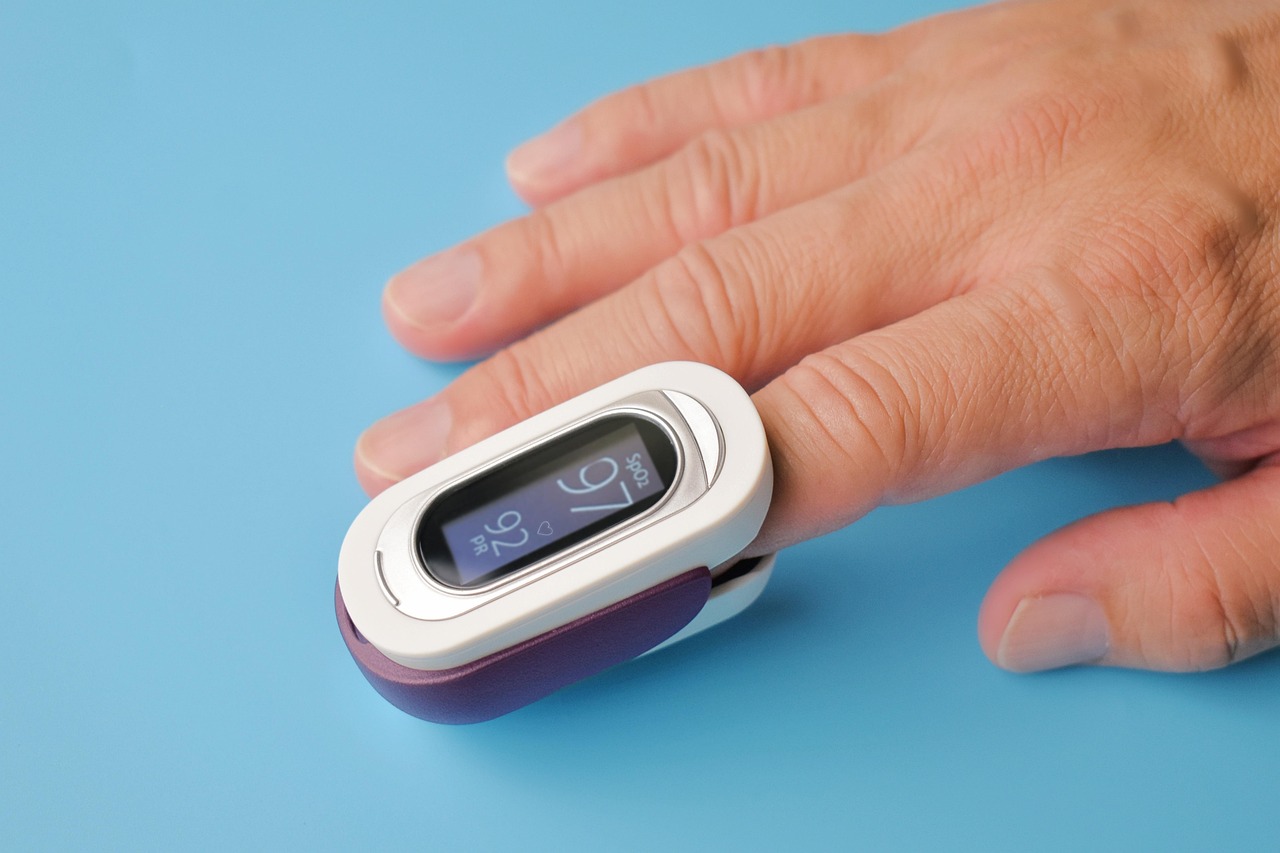

Enhancing Cardiovascular Fitness with Blood Oxygen Wearable Technology
The integration of blood oxygen monitoring wearables into personal fitness regimens has revolutionized the way individuals approach cardiovascular health. These advanced devices provide real-time insights on blood oxygen levels, facilitating a deeper understanding of one’s fitness status. Such technology can be particularly beneficial during exercises, as it helps users track their performance and adjust their workouts accordingly. By maintaining optimal blood oxygen saturation, individuals can enhance their endurance and overall physical capabilities. As a result, these wearables become invaluable companions for athletes and fitness enthusiasts alike. Moreover, data collected can be useful for healthcare professionals who monitor clients’ health remotely. The accurate tracking of blood oxygen levels allows for tailored training plans to maximize cardiovascular improvements. With the advent of such technology, individuals can push past their perceived limitations, reach new fitness goals, and maintain better overall health. The rise of these wearables signifies an important evolution in how fitness data is utilized to enhance performance. Therefore, investing in blood oxygen monitoring wearables can be seen as a proactive step toward achieving personal fitness and health objectives.
Understanding how blood oxygen levels impact exercise is crucial for optimizing athletic performance. During physical activity, oxygen consumption increases significantly to fuel muscular contraction and maintain energy levels. Wearables that monitor these levels provide insights on body performance and its limits. By tracking real-time data, users can gauge whether they are exercising in an optimal zone. For instance, if blood oxygen levels drop below a certain threshold during intense activity, the body may experience fatigue sooner than expected. Consequently, athletes can adjust their routines, pacing, and recovery periods based on precise feedback. Additionally, such devices can serve as a motivational tool, encouraging wearers to exceed their personal bests while ensuring safety precautions are taken to prevent overexertion. Fitness enthusiasts who are mindful of their oxygen levels may also prevent injuries, thanks to improved awareness of their physical conditions. Wearable devices can seamlessly integrate this data into fitness apps, allowing for comprehensive tracking of exercise effects on the body. As awareness grows regarding the importance of oxygen levels, more individuals adopt this technology to attain targeted health outcomes.
Key Features of Blood Oxygen Monitoring Wearables
Blood oxygen monitoring wearables are becoming vital for many individuals engaging in both casual and intensive workouts. Key features typically include continuous SpO2 monitoring, heart rate tracking, and integration with fitness applications. Many devices now utilize advanced sensors that ensure accurate and reliable measurements, allowing users to monitor their performance insights alongside other metrics. Additionally, some wearables offer personalized alerts that notify wearers when their oxygen levels drop beyond a preset level during activities. This feature can help prevent exertional hypoxemia, a state many fitness enthusiasts may accidentally overlook. Moreover, wireless connectivity combined with compatibility with smartphones enables users to access their performance data on-the-go. The ability to sync data with various applications creates a hub of information that is essential for tracking progress over time. Some models also offer sleep tracking, providing insights regarding overnight oxygen saturation that can influence overall wellness. Selecting a quality wearable involves reviewing these key features, balancing preferences with functionality. Ultimately, these devices serve broader health purposes beyond fitness, advocating for a more holistic approach to personal wellbeing.
Incorporating blood oxygen wearables into training regimens can lead to significant improvements in cardiovascular performance. Athletes and fitness enthusiasts often require tailored training protocols to increase their performance levels over time. The data provided by these devices presents ample opportunity for improving efficiency in training sessions. By understanding when to push limits or when to recover, athletes can utilize their time in workouts effectively. Monitoring oxygen levels can help users identify their anaerobic threshold, allowing them to take strategic steps into more specialized training methods. Some may adopt interval training based on these readings, which is a highly efficient way to build cardiovascular fitness. The insights from this technology aid in developing a fitness plan that considers one’s unique physiology. Furthermore, consistent use contributes to achieving measurable progress, leading individuals toward long-term health objectives and maximum fitness efficiency. Blood oxygen wearables are versatile tools that can track changes in fitness levels over time. Increased awareness of one’s performance can inspire personal accountability and commitment to fitness goals, engendering a sense of accomplishment while pursuing optimal health outcomes.
Real-Life Benefits of Utilizing Blood Oxygen Wearables
The application of blood oxygen monitoring wearables in fitness has far-reaching benefits beyond mere performance tracking. One notable advantage is the enhanced safety these devices bring to various physical activities. Users can detect significant changes in blood oxygen levels while exercising, which helps to mitigate health risks. This real-time monitoring proves advantageous not only for athletes but also for individuals engaging in cardio workouts or other rigorous exercises for the first time. These devices also promote greater self-awareness regarding one’s body and its reactions to physical activity. By monitoring these levels, users become equipped to recognize when to take breaks or adjust their intensity. In turn, this leads to safer and more productive workout experiences. Additionally, regular use of blood oxygen monitoring wearables can foster improvements in recovery strategies. For instance, data collected during workouts can reveal needed adjustments to breathing techniques and recovery times. Consequently, users are empowered to optimize their training and enables consistent performance improvement across the board.
Within the realm of fitness technology, data analytics and interpretation significantly enhance user experiences. Blood oxygen monitoring wearables aggregate a plethora of information not just about oxygen levels but also offer insights into overall health and physical activity. Data trends can inform users about how their cardiovascular health changes over time, making this technology more comprehensive than other fitness trackers. This cumulative data helps to craft personalized fitness goals based on actual capabilities and needs. Moreover, wearables can integrate machine learning algorithms into their applications, allowing users to better analyze their historical performance data and track improvements effectively. This benefits athletes and casual exercisers alike. Users can receive feedback that is actionable, which translates motivation into tangible fitness results. Also, individuals can share their data with healthcare providers for better-informed discussions about their health. The marriage of fitness technology and data analytics draws fitness enthusiasts closer to their health objectives. Consequently, it illustrates the power of knowledge in facilitating lifestyle changes that promote long-lasting benefits.
Future Trends in Blood Oxygen Monitoring Technology
The future of blood oxygen monitoring wearables appears bright, with numerous innovations on the horizon. Emerging technologies promise enhanced accuracy, real-time analytics, and increased accessibility for users. Future wearables may incorporate more advanced sensors and algorithms that can track multi-faceted health metrics, enabling comprehensive assessments of fitness levels. Enhanced battery life is another anticipated improvement allowing users to extend their workouts without interruption, impacting overall convenience significantly. Integration with augmented and virtual reality could also transform how users engage with their fitness data, promoting immersive experiences during training sessions. Additionally, the push toward smart textiles and clothing embedded with monitoring capabilities is gaining traction, making tracking a natural part of daily life. With such advancements, users will find it easier to stay engaged with their fitness journey. Furthermore, future developments may promote greater interoperability between devices, allowing seamless data sharing among family members and healthcare professionals. As wearable technology continues to evolve, one can expect these devices to play larger roles in preventive health care, facilitating better outcomes for a broader audience.
In conclusion, blood oxygen monitoring wearables marry technology with health, reshaping how individuals engage in cardiovascular fitness. With enhanced insight into oxygen levels, users can better tailor their fitness regimens to achieve optimal results. The combination of safety and performance improvement makes these devices essential for anyone serious about enhancing their physical health. By adopting versatile and accessible technology, users can enjoy more productive workouts, optimal recovery strategies, and safer exercise practices. Moreover, as the industry continually innovates, enhanced features and functionalities will further enrich user experiences. A focus on integrating data analytics empowers individuals to remain focused on their fitness journeys. These devices will promote a proactive approach to health, contributing positively to overall wellness in the long term. As a society embracing fitness technology, we are likely to witness significant shifts in personal health outcomes over the coming years. Each individual wearing these devices is part of a collective journey towards improved cardiovascular fitness. Therefore, understanding and investing in blood oxygen monitoring wearables is crucial as we forge ahead into a future defined by health and wellness.