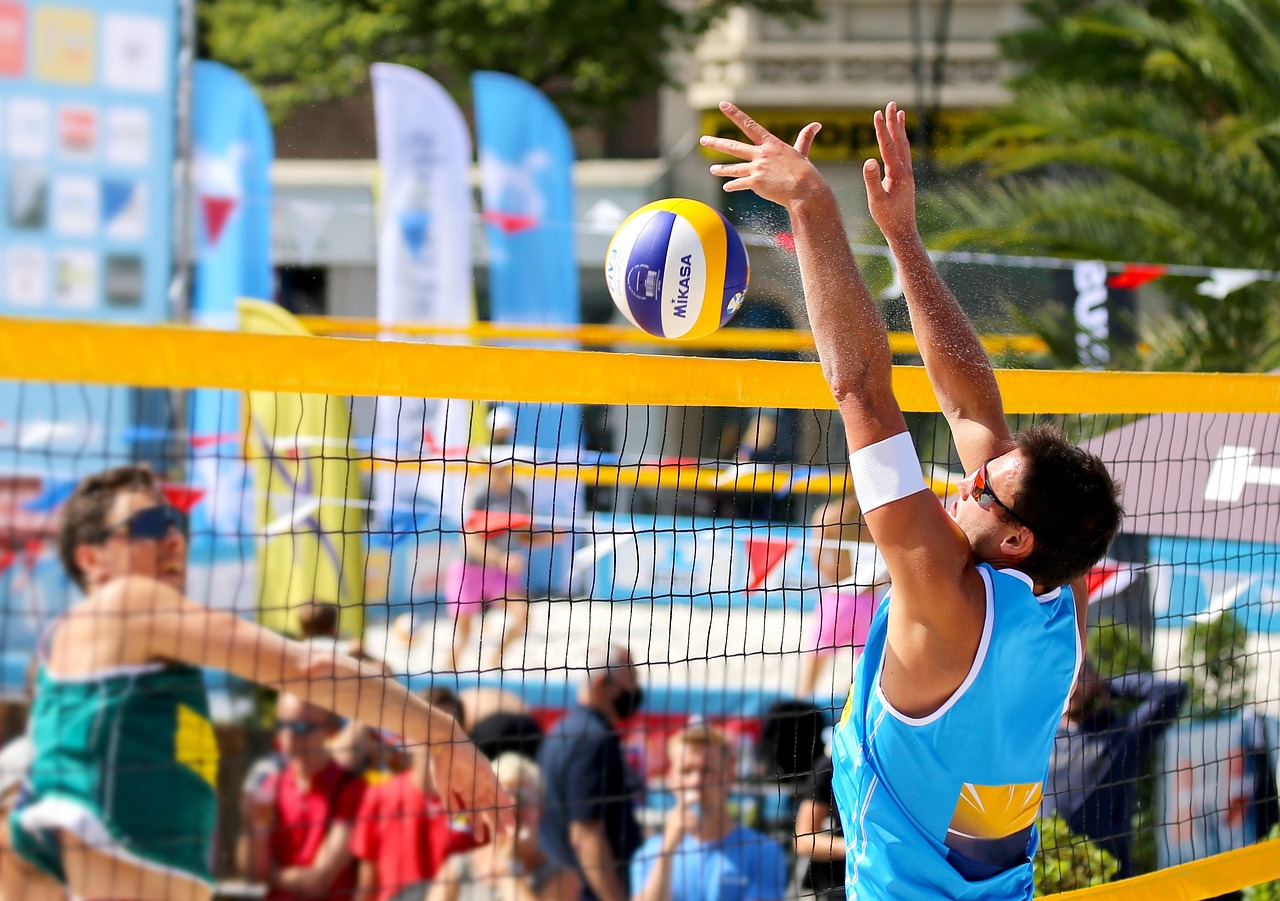

How to Block and Cover Effectively as a Volleyball Middle Blocker
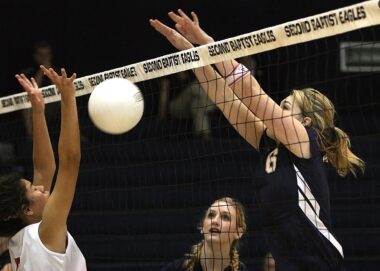
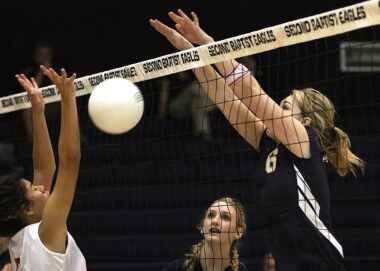
Blocking in volleyball is crucial for defense, especially when playing as a middle blocker. This position requires both physical and mental preparedness. Understand your opponents by observing their tendencies during the game. Trajectory of the ball off the hitter’s hand is essential. Focus on your positioning, timing, and jump height. The goal is to intercept the ball before it crosses the net. Remember to communicate constantly with your teammates regarding your blocking strategy. This ensures that your entire defense works cohesively. Proper footwork is vital; quick lateral movements allow you to position yourself effectively. Use your arms to increase your reach while blocking. If you are able to touch the ball, aim to direct it towards the back row. Watch for tips and adjustments made by the setter to anticipate where they’re placing the ball. Utilize video analysis of your blocking skills for improvement. The right mental attitude fosters confidence during matches, which will positively affect your performance. Aim to train regularly in drills to sharpen your blocking technique. Adopting these strategies enables you to challenge and outperform opposing hitters.
Effective cover strategies in volleyball complement blocking skills significantly. As a middle blocker, positioning yourself to cover the tips effectively ensures that you’re always ready to defend against unpredictable plays. When your teammate blocks an opponent’s hit, be prepared to react quickly. Anticipate that the ball may rebound off the blocker, leading to a potential second shot. You must remain alert, ready to drive forward and position properly. Prioritize your footwork, as it will make all the difference in your covering movement. Balance is crucial; a great cover requires significant agility and quick reactions. Observe player tendencies because even the best hitters will sometimes change their approach. When covering, focus on maintaining a low center of gravity, allowing easier directional changes. Being vocal is important in directing your teammates regarding who is covering what. Analyze match footage to recognize patterns in defence that worked well. Set aside times to practice covering during drills, simulating multiple play scenarios. Consistent practice enhances both your anticipation and your overall defensive consistency. Collaboration with your teammates in live scenarios builds trust and improves team chemistry on the court.
Understanding Opponent Hitters
Understanding your opponent’s hitting style is essential as a middle blocker. Recognizing their strengths and weaknesses can dramatically influence your blocking and covering strategies. For instance, evaluate if they prefer to hit cross-court or line. These factors will dictate your positioning before the serve is even executed. It’s equally vital to analyze characteristics like their approach angle and jump height, as these will reveal how hard they can contact the ball. Take note of patterns; do they often tip the ball, or do they use a power approach? Monitoring these details throughout the match can make impactful adjustments during plays. Engage with your setters and outside hitters during practice to set up game scenarios where you challenge one another. This familiarity leads to intuitive teamwork during matches. Utilize drills that require you to predict an attacker’s move. Transitioning quickly from blocking to covering can crucially enhance your defensive response. Communication remains a key element throughout; always discuss anticipated offensive plays with your teammates to maximize blocking efficiency. Solicit feedback from dedicated coaches during practice, as their perspective can open new avenues for improvement in reading opponents effectively.
The psychological aspect of blocking in volleyball should not be overlooked. Confidence directly impacts how well you perform as a middle blocker in competitive matches. Visualization techniques can help prepare mentally for upcoming games. Imagine yourself successfully blocking well-executed shots and recovering smoothly afterward. This mental image instills confidence and reduces anxiety. Practicing mindfulness during games fosters focus, allowing you to react effortlessly to fast-paced plays. Develop a routine before each match, helping to center your mind and set your expectations for performance. Remember that mistakes are part of the learning process; viewing them constructively leads to beneficial growth. Emphasize resilience in practice sessions; mounting a comeback after a mistake is key to maintaining morale. Engaging in structured reflective practices after games can identify areas for improvement. Track your progress and celebrate incremental successes. You may utilize journals to note changes in both physical and psychological approaches to the game. Develop camaraderie with teammates by sharing challenges and triumphs. They can inspire resilience during tough matches. Ultimately, an amalgamation of physical skill and mental strength fortifies your performance as a middle blocker.
Drills for Improving Blocking Techniques
Incorporating specific drills into your practice regime fortifies your blocking skills over time. One of the most effective drills for middle blockers is the “Wall Drill.” Position yourself a few feet away from a wall and practice your jump without moving forward. Focus on your arm swing and proper hand positioning when reaching for the block. Consistency in this drill will heighten your jumping skills and muscle memory during actual gameplay. Another effective drill is the “Shadow Blocking Drill.” Collaborate with a teammate to simulate opposing hitters. They can hit balls while you focus on positioning, timing, and approach. Visualizing where your opponent would swing prepares you for real-time reactions. Incorporate agility drills that improve foot speed; these are vital for quick lateral movements. Make use of multi-directional agility ladders to enhance footwork and balance. Working on high-intensity interval training (HIIT) can also significantly improve your overall athleticism. Consider tape or filming these drills to analyze body mechanics and make adjustments. Continuing to refine your blocking technique through planned and consistent drills shapes you into a formidable defensive force on the volleyball court.
Recognizing game situations is paramount for middle blockers. You should quickly assess when an opponent is about to execute an attack. A proactive stance allows you to position yourself closer to the net and prepare for the impending hit. Know how to read the setter’s body language; subtle cues can indicate where the ball is going. Utilize timing effectively to your advantage and jump when you perceive the hitter is ready to make contact. Additionally, recognize the placement of your teammates on the court; this informs your coverage strategies and helps maintain defensive integrity. Adjust spacing based on the opponent’s formation and attributes. Additionally, stay alert to incoming changes in pace or play style, adapting as required. Remaining calm during high-pressure situations aids concentration and allows for quicker reaction times. Talk openly with your teammates about expectations during various game scenarios. Frequent team discussions build a solid rapport and strengthens communication across potential plays. Evaluate whether calls are made timely and clearly in-game; this communicates precise actions for the defense to execute.
Preparation for Competitive Matches
Preparing for competitive matches involves a blend of physical and mental readiness. Build a comprehensive pre-game routine that prepares your mind and body for optimal performance. Ensure proper nutrition in the days leading to a match, fueling your body with sufficient sustenance. Engage in dynamic stretches in your warm-up to enhance flexibility. These activities prepare you to engage actively during the game, contributing to your overall agility and power. Focus on mental approaches, such as visualization and positive affirmations, to reinforce your confidence. These techniques are critical in controlling performance anxiety. Talk with your coaches to discuss team strategies for that specific match; being aware of tactics will provide clarity. Remember your personal goals for individual improvement during the game. As you step onto the court, maintain a positive attitude, visualizing successful plays and stops. Recognize that every point and every play is an opportunity to learn and enhance your skills further. Arrive early to familiarize yourself with the playing environment, ensuring maximum comfort during competitive play. All these steps combine to create a strong foundation for a successful match, allowing you to shine as a middle blocker.
In summary, developing effective blocking and covering strategies is essential for middle blockers in volleyball. It requires a combination of mental acuity and physical skills across various gameplay scenarios. By observing and assessing opponents, you create tailored strategies that disrupt their plays. Being attentive to footwork enhances lateral movement, essential for positioning. Collaboration and effective communication with teammates forge strong defensive units capable of outperforming opponents. Integrating dedicated drills refines both your blocking and covering skills, accommodating improvements over time. Understanding psychological components can shift the focus from negative emotions towards competitive vigor. Finally, preparing comprehensively for matches through routine practices boosts physical and mental strength. Such a holistic approach guarantees not only effective blocking and covering but also elevates overall team performance on the court. Embrace a proactive mindset for growth in each session. Continuous observation, practice, and communication serve as cornerstones for effective gameplay. Keeping metrics on personal performance identifies areas that could leverage further growth. By cultivating a winning mentality and refining skills, you not only contribute as an individual but also elevate your team’s defense significantly. Commit to regular practice and adjust strategies as needed to enhance your effectiveness as a middle blocker.