
How Vision and Hearing Affect Senior Fall Risks
As seniors age, maintaining their vision and hearing becomes crucial in preventing falls. Vision loss can occur due to conditions like cataracts, glaucoma, and macular degeneration, making it harder to navigate environments safely. Aging often causes decreased depth perception and reduced contrast sensitivity. Furthermore, diminished peripheral vision greatly impacts how seniors perceive their surroundings, leading to an increased risk of tripping and falling. Hearing loss can also have a detrimental effect. It often isolates seniors, making it harder to hear cues from their environment. For instance, they may miss warnings from others or fail to hear important auditory signals from things like alarms. This lack of awareness increases the likelihood of falls significantly. Therefore, regular vision and hearing checks are essential. By addressing issues such as poor eyesight or hearing, seniors can maintain their independence, engaging meaningfully with their environment. Enhancing safety measures in homes, such as improving lighting, reducing clutter, and even using assistive devices for hearing, can spearhead a proactive approach to reducing fall risks, empowering seniors to live confidently as they age.
The Role of Vision in Fall Prevention
Vision plays a major role in the ability of seniors to maintain balance and avoid obstacles. Seniors who experience blurred or impaired vision may struggle to judge distances correctly, which can lead to falls. Inadequate peripheral vision can make it difficult for seniors to notice hazards that could cause accidents, including steps, uneven surfaces, or objects on the floor. Effective strategies to enhance vision include regular eye examinations to detect any problems early. Prescription glasses or contact lenses can greatly improve clarity and spatial awareness. Moreover, utilizing adequate lighting indoors and outdoors can help seniors navigate more safely. This means ensuring that all living spaces are well-lit, particularly stairways and hallways. Consider installing bright light bulbs and using night lights in areas like bathrooms or bedrooms. Additionally, maintaining contrast between the floor and surrounding surfaces helps with depth perception. Simple changes, such as color coding stair edges, can make the environment less ambiguous. Encouraging the use of sunglasses while outdoors reduces glare, rendering a clearer view of obstacles. Hence, securing optimal vision is indispensable in reducing fall risks effectively.
Hearing impairment in seniors can profoundly impact their day-to-day life and overall safety. It’s not just about communication; hearing also links deeply with balance. The inner ear contains components critical for hearing as well as balance, known as the vestibular system. When hearing declines, the vestibular response can also be affected. Seniors with hearing loss may find it difficult to detect sounds indicating danger, including approaching vehicles or even other people. This can lead to unexpected accidents resulting in falls. Regular hearing check-ups and appropriate hearing aids are essential, allowing seniors to regain or maintain essential auditory functions. Hearing aids can be fine-tuned to enhance sound detection and clarity, making it easier for seniors to interact with their environment. Additionally, using visual alerts can supplement hearing aids; flashing lights can signal doorbells or alarms, ensuring they don’t go unnoticed. Furthermore, social engagement can be tremendously beneficial; seniors conversing with peers encourage the use of listening skills and provide opportunities for practice. Creating a safe environment that accommodates hearing loss can significantly reduce the chances of falls. Empowering seniors to stay connected is vital for their well-being and safety.
Environmental Adjustments for Safety
Creating a safe home environment is essential for seniors to mitigate fall risks stemming from vision and hearing impairments. Home modifications can significantly enhance safety and prevent falls. Begin with decluttering living spaces, particularly hallways and stairways, to prevent tripping hazards. Adding non-slip mats and secure carpeting provides stability underfoot. Ensure that furniture placement allows for easy passage, minimizing obstacles. Installing grab bars in the bathroom, particularly by toilets and in showers, offers firm supports that can help during transitions. Additionally, making sure there’s adequate lighting throughout the home is crucial; installing motion-sensor lights can ensure paths are illuminated without needing to search for switches. Highlight edges of steps with contrasting colors to improve visibility and reduce accidental trips. Moreover, using labels around the home can assist seniors with visual impairments in identifying rooms and items. In kitchens, using tactile indicators on appliances can further aid individuals with hearing difficulties. By reinforcing the home environment with these adjustments, seniors can navigate their surroundings with increased confidence and much lesser risk of falls arising from mobility impairments.
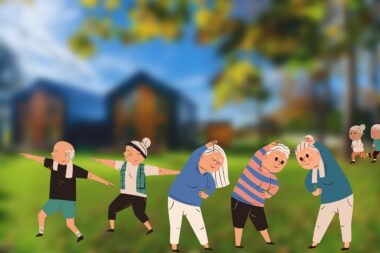
Maintaining regular health appointments can drastically reduce the risks associated with fall-related injuries in seniors. Routine check-ups allow for monitoring of vision and hearing health, providing opportunities for early intervention when necessary. Many seniors may not realize they have developing vision or hearing issues; thus, scheduled appointments can reveal concerns that need to be addressed. Healthcare providers can also recommend rehabilitation programs tailored to seniors that focus on improving balance and coordination. These programs help seniors regain confidence in their mobility and often incorporate vision and hearing assessments as part of their sessions. Additionally, participating in physical activities geared towards strength building and flexibility can substantially diminish fall risks. Even simple exercises like chair yoga or Tai Chi can promote better balance. Furthermore, integrating balance-enhancing routines at home into daily life encourages habitual fitness practices. Encouraging seniors to stay active, whether through community classes or home-based fitness routines, emphasizes fall prevention. By considerable involvement in their health care, seniors and caregivers can collaborate to enhance their safety and well-being while empowering them to lead more engaged lives.
Emphasizing Community Support
Community support plays a transformative role in helping seniors navigate the challenges posed by vision and hearing impairments. Engaging with others in the community can foster an environment that prioritizes safety and awareness. Local resources, including seniors’ centers and community health programs, often provide workshops focused on fall prevention, vision health, and hearing awareness. They can facilitate connection with experts who specialize in geriatric health, offering personalized advice and potential interventions. Peer support groups provide valuable opportunities for seniors to share experiences and strategies for coping with life’s changes. Additionally, volunteering for community outreach initiatives can give seniors a sense of purpose, reinforcing their independence, and building confidence. Local transportation services are another asset; ensuring seniors can access healthcare appointments and social gatherings is vital for sustaining physical activity and social interaction, contributing to overall well-being. Encouraging social engagement through community events promotes physical and cognitive health too. All these aspects combined create a resilient support network. By fostering community connections, seniors are less isolated and more informed, reducing both vision and hearing-related fall incidents. Thus, proactive community engagement serves as a crucial element in fall prevention.
The role of caregivers is fundamental in supporting seniors to handle the challenges of fall risks driven by vision and hearing problems. Caregivers can play a vital role in assisting seniors in managing health appointments. They remind seniors when to schedule their vision and hearing evaluations and assist in transporting them to those appointments. This proactive approach ensures seniors receive timely interventions that can significantly improve their quality of life. Moreover, caregivers can engage seniors in daily activities that promote fitness and balance, reinforcing the importance of staying active. Simple actions, like accompanying seniors on walks or being present during exercises, can boost their motivation. Educating caregivers about fall prevention techniques can positively impact caregiving practices. Training them to recognize signs of declining vision or hearing can lead to timely communication with healthcare providers. Additionally, caregivers can help modify the living environment for enhanced safety. By implementing safety measures and continuously assessing the needs of seniors, caregivers can create a tailored approach to fall prevention. Stronger support from caregivers empowers seniors, enabling them to navigate their lives more confidently while ensuring their safety from falls.