
Integrating Cycling into Public Transit Systems
As urban populations grow, the need for efficient, environmentally friendly transportation options becomes crucial. Cycling stands out as a viable alternative that can complement public transit systems. Integrating cycling into public infrastructure not only enhances mobility but also promotes a cleaner environment. Cities that prioritize cycling can reduce road congestion and lower greenhouse gas emissions. Advocating for bike lanes, secure bike parking, and easy access to public transport will encourage more people to choose cycling as their primary mode of transportation. Approaching cycling from a policy perspective requires collaboration between municipal governments, transit authorities, and cycling advocacy groups. This ensures that investments are made in bike infrastructure, improving safety and accessibility for cyclists. Cities can enhance their public transit systems by incorporating bike-sharing programs, ensuring seamless connections between buses, trains, and cycling. Various case studies show that successful integration plans lead to increased commuting by bike and significant reductions in traffic jams. This integration not only better serves the community’s needs but also meets environmental sustainability goals, encouraging healthier lifestyles among residents.
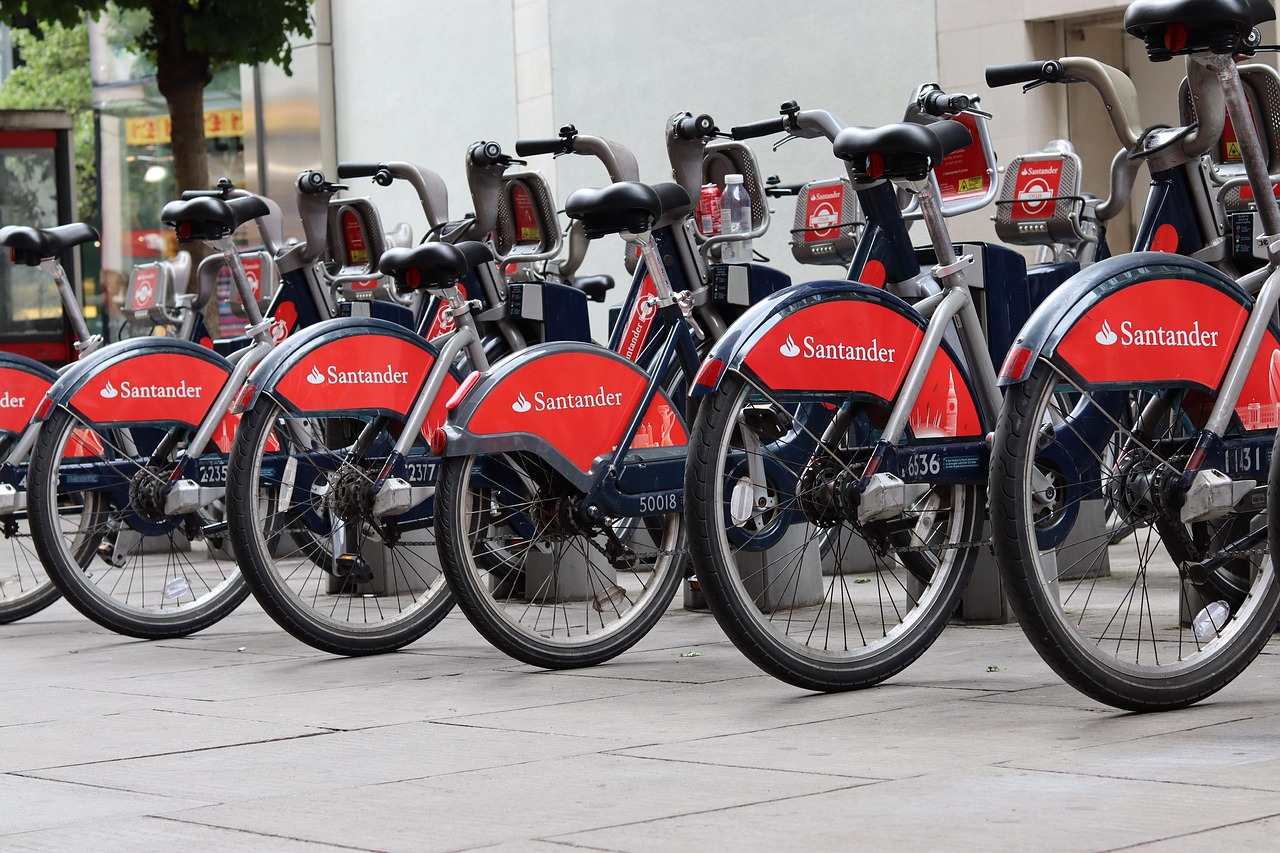
Public transit systems can dramatically benefit from integrating cycling as a core component of their service offerings. This approach creates a multi-modal transit system that increases access to various destinations efficiently. Key elements essential for successful integration include strategically placed bike racks at transit stations and dedicated bike lanes leading to these hubs. Furthermore, policies promoting bike-sharing programs can significantly enhance these connections, making cycling more accessible. Transit authorities must prioritize collaboration with local governments to implement effective cycling infrastructure. Additionally, public awareness campaigns can help educate residents about these benefits and proper cycling etiquette. This awareness is crucial to foster a culture where cycling and public transportation coexist harmoniously. Furthermore, funding is a critical issue; investments are needed to create safe routes and bicycle facilities. Potential funding sources can include federal grants, private investments, or public-private partnerships. Additionally, community engagement is vital in planning effective cycling integration to meet local needs. By considering community input, transit systems can foster a sense of ownership among residents. Consequently, a well-integrated cycling infrastructure will not only promote ridership but also enhance public health outcomes.
Benefits of Integrating Cycling with Transit
The integration of cycling and public transit provides numerous benefits for urban environments. First, it contributes to reduced traffic congestion and improved air quality, ultimately fostering healthier cities. By encouraging cycling, municipalities can decrease dependency on personal vehicles, thus alleviating road overcrowding. Moreover, combining cycling with public transit can enhance access to jobs, education, and essential services for residents. This is particularly important for economically disadvantaged communities, where transportation options may be limited. Additionally, integrating bike paths creates safe and appealing transit options for people of all ages. More safety measures will lead to increased cycling rates, which can further enhance public health. Greater cycling can also reduce the stress on public transit systems during peak hours, as more people gravitate toward cycling as an alternative. Policy-makers must also recognize the potential financial savings associated with reduced infrastructure costs compared to expanding road networks. Investing in cycling can provide cities with a competitive edge, showcasing them as progressive places for residents and businesses alike. This multi-modal approach also reflects a commitment to sustainability and innovative urban planning practices.
However, successfully integrating cycling into public transit requires a comprehensive strategy that considers various factors. First, there must be a clear understanding of which routes will best support bike access to public transport. Evaluating existing cycling infrastructure is crucial to identify gaps and areas for improvement, ensuring that all cyclists have safe and efficient routes. Participatory planning can be employed to facilitate community input, ensuring local needs and preferences shape the development process. Additionally, cities should consider the diversity of their populations, as they may have different mobility requirements. For example, elderly citizens or people with disabilities may require specific accommodations, such as lower bike racks or accessible paths. Investing in education and training programs can empower cyclists of all skill levels to navigate urban environments confidently. Coordination among transportation agencies fosters a shared vision, ensuring that both cycling and public transit mutually benefit from infrastructure investments. Collaboration with local businesses and nonprofits can also lead to innovative solutions that lessen barriers to cycling while providing economic incentives. This helps create a culture wherein cycling is viewed as a viable and appealing transport option.
Challenges to Consider
Despite its numerous benefits, integrating cycling into public transit systems does pose specific challenges. One key issue is funding; many cities grapple with limited budgets and prioritize traditional public transit needs. Securing adequate financial resources for cycling projects can often be difficult, necessitating creative funding solutions. Additionally, existing infrastructure may need significant upgrades to accommodate cyclists safely. Allocating space for bike lanes, ensuring adequate signage, and providing appropriate facilities can require careful planning and execution. Without well-maintained paths, public concerns regarding safety may hinder cycling adoption. Moreover, public perception remains a challenge; many people still view cycling as less practical than driving. Advocacy campaigns must aim to shift public views, emphasizing the benefits of cycling and its integration with public transit. Another challenge involves educating both cyclists and motorists about shared road usage methods that promote safety. Implementing driver and cyclist education programs can foster respect on the roads. Also significant is maintaining the integration over time, adapting infrastructure and services as community needs evolve, ensuring cycling successfully remains part of the urban transport landscape.
Long-term success in integrating cycling into public transport systems also requires continuous evaluation and adaptation. Transit authorities should regularly review the effectiveness of existing cycling programs and infrastructure to identify areas for enhancement. Collecting data through surveys and usage statistics can inform decision-making, enabling authorities to adapt policies and practices accordingly. It is essential to engage with the cycling community actively and solicit their feedback regularly to gauge satisfaction and discover new ideas for improvement. This creates a culture of continuous learning and encourages more people to embrace cycling. Moreover, cities must also keep an eye on technological advancements; innovations in bike-sharing and e-bikes can revolutionize urban travel. Solutions that ease the financial burden on users can significantly increase cycling’s popularity. Programs offering incentives or discounts can make cycling more attractive, especially for commuters. Additionally, policies promoting affordable housing near public transit routes can increase both bike usage and transit ridership significantly. Ultimately, cities focusing on integrating cycling and public transport create healthier, more sustainable environments for all citizens. This cooperative approach enhances mobility while prioritizing public health and the quality of urban life.
The Future of Urban Transit
Looking ahead, the future of urban transit lies in creating systems that prioritize integration. Cycling must be part of a holistic transit approach that encourages sustainable choices. Policymakers must envision transit systems as multi-modal networks, where cycling is seamlessly tied to buses, trains, and shared mobility solutions. Emphasizing connectivity ensures that cycling extends beyond isolated routes, providing access to citywide destinations. Moreover, classes and program collaborations between transportation bodies can foster innovative practices in cycling integration. Technologies like real-time GPS tracking for bikes and transit schedules can enhance user experience. Future innovations may include autonomous vehicles or smart bike systems that incorporate AI to improve safety and efficiency. Cities will benefit from adopting an adaptive mindset when considering the multifunctionality of transport. Integrating cycling better allows more segment solutions for peak hours to optimize flow while getting communities excited about environmental efforts. Solutions must tack on collective responsibility, emphasizing sustainable choices that improve everyone’s quality of life. The future of public transit is undoubtedly intertwined with cycling, promoting a greener and healthier world for generations to come.
In conclusion, integrating cycling into public transit systems is no longer a luxury but a necessity for progressive cities. The interconnectedness of these transportation modes brings about numerous benefits, including improved access to jobs, reduced congestion, and environmental sustainability. Advocacy for robust cycling infrastructure has never been more vital; strategic investments in lanes, parking, and public outreach will help achieve this goal. Successful cities have demonstrated the importance of collaboration among stakeholders, ensuring multifaceted approaches innovate and adapt solutions effectively. Active involvement of the community enables planning that addresses local needs while ensuring inclusivity. Moreover, effective funding strategies, encompassing federal and local support, are essential to bring plans to fruition. Evaluating progress allows authorities to promote transparency and accountability while maximizing benefit for communities. As urban centers evolve, public transit systems must keep pace with changing transportation needs. Cycling is poised to play a critical role in this evolution, prompting cities to develop infrastructure that accommodates cyclists alongside public transport. This integrated transportation solution fosters a culture of sustainability and resilience, ultimately creating healthier environments for future generations. Enhancing collaboration among all stakeholders is key to adapting urban transport systems for all citizens.