
Strategies for Group Training Communication Effectiveness
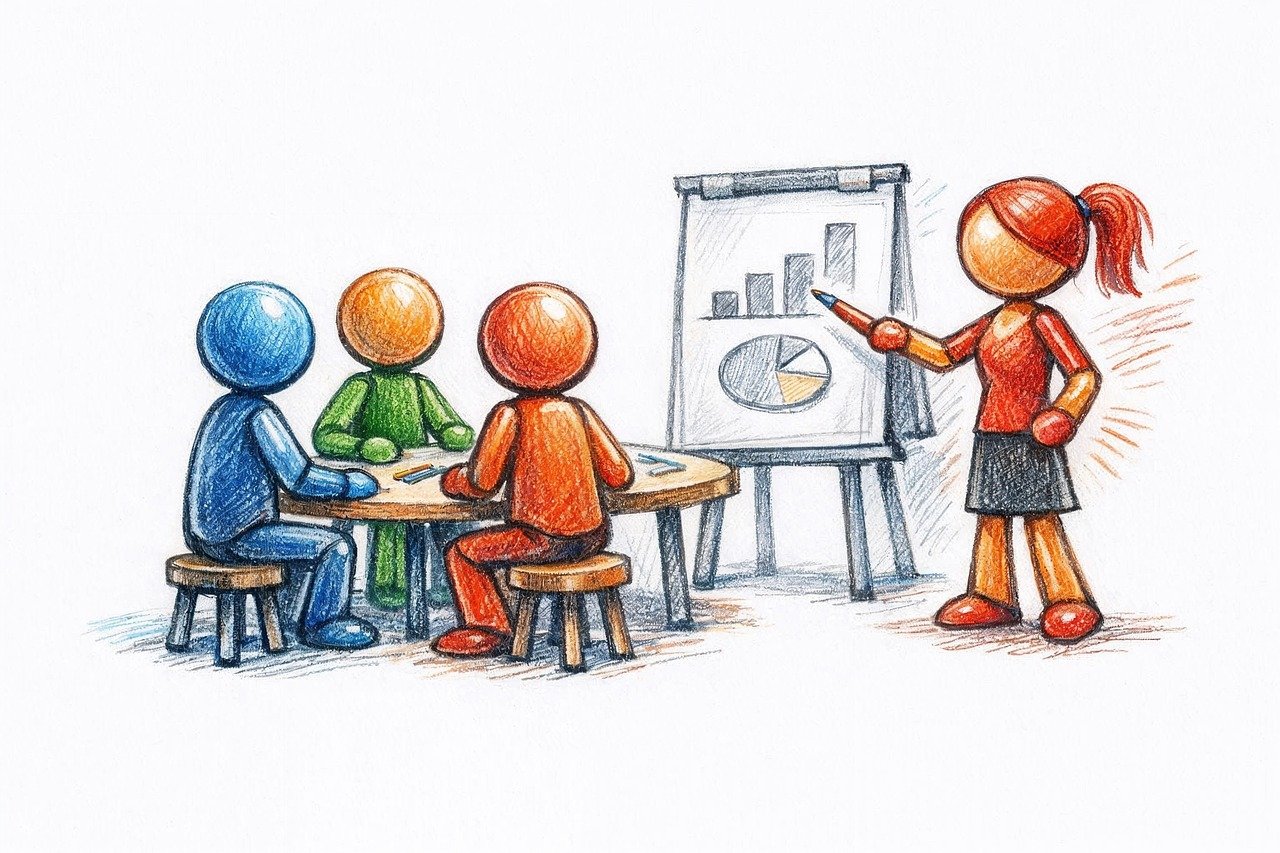
Effective communication is essential for personal trainers working with groups. One key strategy is to establish clear objectives for each session to ensure all participants know what to expect. Visual aids, such as diagrams and demonstration videos, can significantly improve understanding. Tailoring communication styles to fit the group’s dynamics helps maintain engagement and provides a more personalized approach. Active listening is critical—trainers should listen to participant feedback during workouts to adjust instructions accordingly. Additionally, employing gamification techniques can make sessions more enjoyable and foster better understanding through competition. To further enhance the experience, trainers should encourage peer-to-peer communication, allowing participants to exchange tips and support one another. Setting group challenges can also promote camaraderie and improve overall group synergy, leading to a more productive training environment. Lastly, maintaining an approachable demeanor is essential—this encourages participants to voice concerns or ask questions, enhancing the overall training process as individuals feel more comfortable interacting with their trainer.
Non-verbal communication plays a fundamental role in the effectiveness of group training. Personal trainers should pay attention to body language, facial expressions, and eye contact, which can convey encouragement and attentiveness. For instance, demonstrating exercises effectively is crucial, as this not only reinforces verbal instructions but also provides participants with a visual reference. Use positive reinforcement through non-verbal means, such as thumbs up, nodding, or clapping, to motivate individuals. Implementing a clear communication hierarchy can streamline instructions; for instance, position yourself at the front of the group and maintain visibility to enhance the flow of communication. Engage participants by using their names when providing specific feedback. This personal touch increases their connection to the exercise and boosts motivation. Additionally, fostering an environment where participants make eye contact encourages them to stay focused and engaged. Creating a welcoming atmosphere further calms anxieties that group members may experience when working out together. By mastering both verbal and non-verbal communication, trainers can effectively inspire and motivate participants to push their limits and achieve their fitness goals.
Use of Technology in Communication
Incorporating technology into communication can greatly enhance group training sessions. Utilizing fitness apps or group messaging platforms allows trainers to keep participants informed of schedules, important announcements, and motivational messages. Videos or audios can provide additional clarity on workout routines, facilitating better execution of exercises. Virtual platforms enable trainers to conduct live sessions, widening their reach to clients unable to attend in person. Social media is another valuable tool for trainers to engage their audience and share tips, success stories, and helpful resources. Offering a group forum encourages discussion and supports peer-to-peer interaction, enhancing community spirit among participants. Gamification through apps can challenge participants effectively and track their progress, offering a fun element to training. Moreover, integrating wearable technology can provide real-time feedback on performance and health data, fostering self-awareness among clients. Trainers should promote awareness around app usage and track performance to reinforce individual goals. This leverage of technology not only streamlines communication but also builds accountability, making it easier for trainers to guide their sessions and participants to connect and stay committed.
Encouragement and motivation are pivotal in enhancing group training communication. Trainers must cultivate a supportive environment where each participant feels valued, fostering motivation and enthusiasm throughout sessions. Regularly acknowledging individual achievements, no matter how small, boosts confidence and encourages continuous effort. Personalized coaching during workouts is essential—offering specific feedback tailored to each individual’s strengths and weaknesses helps them progress. Additionally, creating a leaderboard for tracking progress can fuel friendly competition and encourage a sense of accountability among participants. Establishing a buddy system can also help participants work together for motivation and support. This approach fosters friendships that extend beyond training sessions while encouraging commitment. Good trainers will inspire healthy competition yet ensure a supportive climate by celebrating everyone’s success as a group. Dedicate time each session to check in with participants individually. This establishes personal connections and reinforces the trainer’s role as a guide. By implementing these strategies, trainers can build a more cohesive and engaged group, ultimately leading to successful training outcomes and stronger relationships within the fitness community.
Creating Group Cohesion
Building a sense of community amongst group training participants is crucial for successful interactions. To create this cohesion, trainers should organize team-building activities outside regular workouts. Activities such as charity runs or group challenges foster friendships and unifies the atmosphere. Regularly rotating workout partners can strengthen social bonds among participants, providing variety and refreshing dynamics. Engaging in group discussions regarding fitness goals and aspirations allows members to support each other, fostering shared commitments. It’s also valuable to incorporate ice-breaker sessions for new members, making them feel welcome. These strategies promote an inclusive environment, which is vital for communication effectiveness. Providing opportunities for shared learning through workshops or seminars can also enhance knowledge while strengthening connections among group members. Moreover, discussing nutrition or wellness topics provides a broader perspective on health while enhancing communication. Trainers should also encourage shared experiences, such as challenges faced during training. These discussions can promote trust and collectively overcome adversities. Therefore, cultivating group cohesion should be a top priority for trainers to enhance communication and ensure participant satisfaction.
Feedback is a fundamental aspect of improving communication in group training. Personal trainers must regularly solicit honest feedback from participants regarding the workout experience. This approach may occur through anonymous surveys or open discussions, encouraging participants to share thoughts on their experience and any skills they feel need improvement. Feedback allows trainers to identify areas of strength and areas requiring adjustment, shaping future sessions to align with client needs. To motivate participants further, trainers should implement mechanisms to reward valuable input, such as fitness challenges or recognition in group settings. Understanding individual preferences helps trainers refine their communication style and delivery methods. Furthermore, sharing the feedback received and how it will be used strengthens clients’ engagement in the training process. By demonstrating that feedback matters, trainers foster a collaborative atmosphere where participants feel empowered. Additionally, trainers should encourage participants to communicate with each other, facilitating peer feedback loops for motivation and support. This collaborative environment maximizes retention and growth among both trainers and clients, solidifying their relationships and ensuring successful outcomes.
Conclusion
In conclusion, effective communication in group training is vital for achieving collective fitness goals. By establishing clear objectives and utilizing various communication strategies, trainers can ensure participants remain engaged and connected. Incorporating non-verbal cues, leveraging technology, and fostering a supportive atmosphere are integral to creating enriching training experiences. The formation of a cohesive community enhances motivation and accountability as individuals work towards personal fitness aspirations in harmony. Similarly, actively seeking and implementing feedback helps refine practices for continual improvement. These strategies collectively contribute to shaping positive outcomes for trainers and clients, establishing stronger bonds rooted in trust and collaboration. Ultimately, successful group training communication hinges on the trainer’s ability to adapt their methods, embrace feedback, and prioritize participant needs. As trainers develop their communication skills, they not only enhance the efficiency of group sessions but significantly contribute to the overall wellbeing of their clients, establishing a thriving community focused on health and fitness.
By remaining vigilant and implementing these strategies, trainers ensure that group training is not only productive but also enjoyable, enhancing the overall experience for everyone involved. Additionally, trainers must continuously assess the effectiveness of their communication and adjust as necessary. Growth in this area is essential as it influences participant satisfaction and retention. A successful trainer understands that the journey towards fitness is not solely about physical training; it’s also about building relationships and fostering a supportive community. With the right communication techniques in place, group training can lead to transformative experiences that resonate beyond the gym, creating lasting bonds and motivating clients to achieve their individual and collective goals.