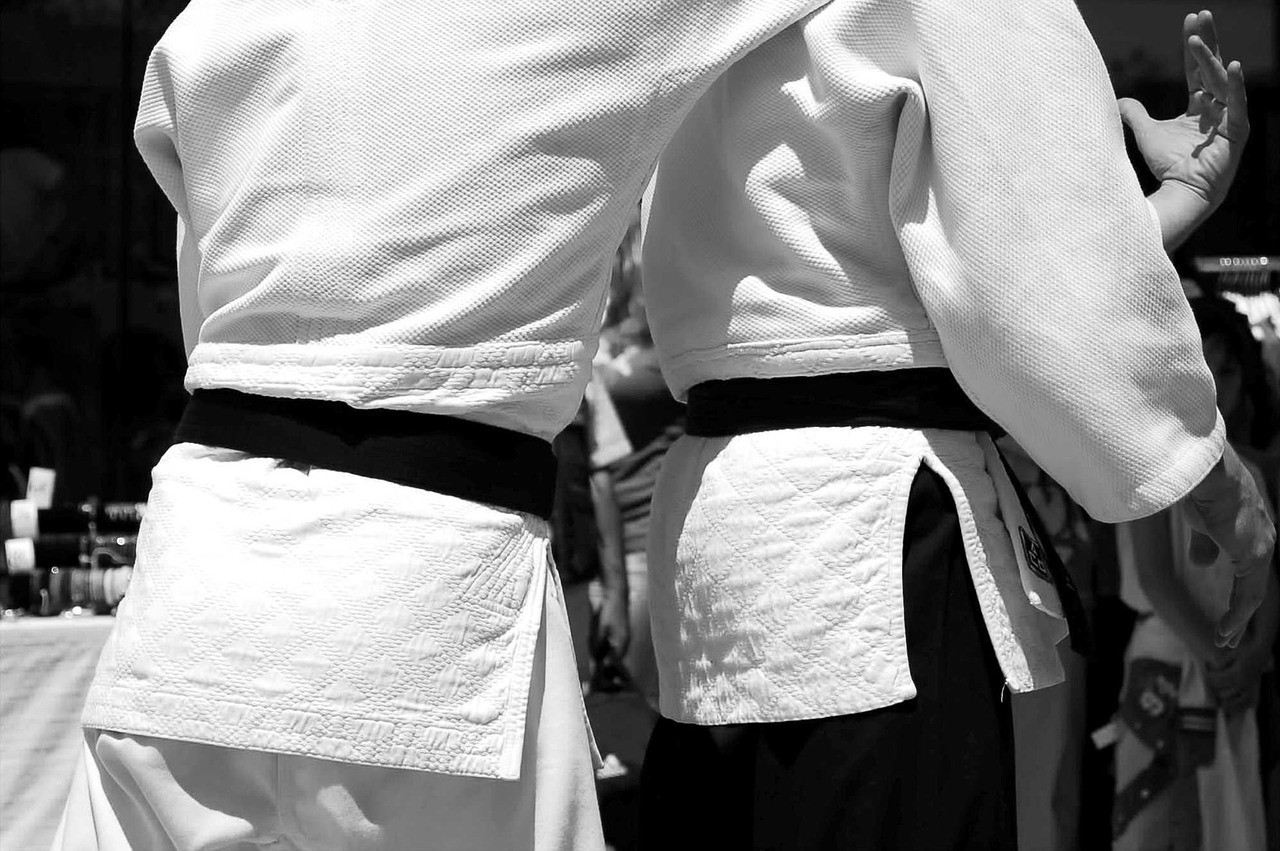

The Evolution of Aikido: From Founder to Modern Practice
Aikido, a modern Japanese martial art, was founded by Morihei Ueshiba in the early 20th century. Ueshiba combined various elements from traditional Japanese jujutsu, sword, and spear disciplines. His goal was to develop a form of martial art that emphasized harmony and the peaceful resolution of conflict. Ueshiba was influenced by his spiritual beliefs, integrating concepts of spirituality and philosophy, particularly from Shinto and Buddhism. This holistic approach led to a unique style of martial arts that focused on redirecting an opponent’s energy rather than confronting it head-on. As aikido gained popularity, it transformed from a purely combative system into a more philosophical practice that attracts many students across the globe. Ueshiba’s teachings emphasized the importance of understanding oneself, discipline, and mutual respect. Over time, aikido evolved and diversified, with various schools and styles emerging, each interpreting his foundational principles. These developments reflect changing socio-political contexts and cultural influences throughout the decades, making aikido a dynamic and living martial art that continues to evolve. As such, it remains relevant to contemporary practitioners who seek both physical and spiritual growth through their practice.
The global spread of aikido in the mid-20th century marked a significant shift in its practice. After World War II, aikido found its way into various countries, partly due to the presence of Japanese instructors traveling abroad. They introduced aikido to Europe and the Americas, where it began to gain a following among martial artists and the general public. As aikido’s popularity grew, so did interest in its underlying philosophy. Many practitioners were attracted to its focus on self-defense without inflicting harm, which resonated with the post-war mindset seeking peace and reconciliation. During this time, dojos emerged worldwide, each embracing the art with unique adaptations and teaching methods. The importance of mutual respect and understanding between instructors and students became an essential aspect of aikido practice. Various organizations were formed to establish standards and provide certification for aikido instructors, further professionalizing the art. Events like international seminars and tournaments helped to cultivate community and extended the reach of the martial art globally. This international perspective allowed practitioners to share insights and experiences, enriching the global aikido community and showcasing diverse approaches to the art.
Modern Aikido and its Influences
Modern aikido continues to be shaped by various influences, including the evolution of martial arts and self-defense strategies. The 21st century has introduced many new challenges, prompting aikido practitioners to adapt their training methodologies. Today, aikido instructors often incorporate elements from other martial arts to enhance their teaching, such as Brazilian jiu-jitsu and judo techniques. This fusion allows students to develop a broader skill set, making them more versatile within the martial arts landscape. Furthermore, contemporary aikido also reflects advances in sports science and psychology, emphasizing injury prevention and mental resilience. This focus helps practitioners develop both physically and mentally, making them better prepared for challenges they may encounter during practice or in real-life self-defense situations. Additionally, there is a growing trend of incorporating physical fitness regimes alongside traditional aikido techniques, as practitioners recognize the importance of fitness in martial arts. This modernization aims to attract new students, especially younger generations interested in holistic health and self-improvement. Despite these adaptations, the core philosophy of aikido remains steadfast, maintaining Ueshiba’s vision of harmony and non-violence within its teachings.
With the rise of technology, aikido practitioners are utilizing online platforms for training and community building. Video tutorials, webinars, and virtual classes have become integral parts of learning martial arts during recent years. This shift allows students from remote areas to practice aikido and access knowledgeable instructors without the limitations of geographical boundaries. Furthermore, social media plays a significant role in promoting aikido, allowing practitioners to share their experiences, techniques, and philosophy with a global audience. Online communities foster a sense of belonging, while also providing a way for individuals to connect over shared interests in martial arts. Although in-person practice remains vital for honing techniques and building camaraderie, digital interactions create new opportunities for dialogue and exchange. Despite these advancements, a balance must be maintained between virtual and physical training, ensuring that practitioners do not overlook the essential aspects of aikido rooted in face-to-face encounters. As aikido continues evolving, the blend of traditional teachings with modern technology illustrates the art’s ability to adapt and grow within an ever-changing world. This duality embodies the essence of aikido, reflecting its timeless nature while embracing new frontiers.
The Importance of Philosophy in Aikido
Philosophy lies at the heart of aikido, influencing both its practice and its approach to conflict resolution. The concept of ‘uke’ (the receiver) and ‘tori’ (the one who takes) emphasizes cooperation and mutual respect in an encounter. Aikido teaches practitioners to transform aggressive energy into techniques that neutralize threats while preserving the well-being of both parties. This principle encourages practitioners to view conflict as an opportunity for growth and understanding, rather than as a struggle. Aikido emphasizes personal development, promoting qualities such as patience, humility, and a sense of responsibility. These philosophical tenets prepare students for challenges beyond the dojo, instilling life skills beneficial in various aspects of everyday life. Self-awareness and emotional control, cultivated through training, encourage conflict resolution through peaceful means. The philosophical foundations of aikido resonate with individuals seeking more than a mere combat technique; they find a path to personal transformation and enlightenment. In this way, aikido offers more than physical skills—it becomes a way of life, emphasizing harmony, balance, and respect not only towards oneself but also toward others. The depth of aikido’s philosophy enhances its appeal and relevance today.
Throughout its evolution, aikido has branched into different styles and schools, each contributing unique interpretations of Ueshiba’s foundational principles. Various lineages, such as Yoshinkan and Aikikai, emerged, each promoting specific training methodologies and philosophies. For instance, some styles place greater emphasis on competitive aspects, while others focus on traditional forms and spiritual development. These differences reflect the diverse needs and approaches of practitioners, allowing individuals to find a style that resonates with their values and objectives. Training methodologies vary widely, and some schools emphasize katas, which are pre-arranged forms that help develop foundational techniques. Others encourage free practice or randori, where students learn to face multiple opponents. This diversity enriches the aikido experience, allowing students to choose a path aligned with their personal goals. As practitioners navigate between these styles, they may discover principles that enhance their understanding of aikido as a whole. This vibrant tapestry of styles illustrates the adaptability of aikido and its commitment to evolving while staying true to its essence. As aikido’s global presence continues to expand, these diverse interpretations will undoubtedly play a pivotal role in its future.
Aikido in the Contemporary World
In the modern world, aikido serves various purposes, from personal development to self-defense. Many practitioners approach aikido seeking not only physical training but also emotional balance and mental clarity. The art’s non-violent philosophy appeals to individuals looking for ways to cope with stress and enhance their interpersonal skills. Additionally, aikido has found applications in various fields, including business and education. Concepts such as collaboration, conflict resolution, and teamwork drawn from aikido principles are being utilized in workplaces and schools. Organizations have even integrated aikido-based workshops to foster a more harmonious environment where individuals learn to navigate conflicts effectively. The adaptability of aikido makes it a relevant practice today, appealing to those interested in improving their well-being and relational dynamics. As it continues to evolve, aikido remains a medium for cultural exchange, bringing people from diverse backgrounds together. The future of aikido holds promise as it adapts to contemporary society, attracting new generations of practitioners. This evolution ensures that Ueshiba’s vision of harmony endures, emphasizing that martial arts can serve as a tool for personal growth, peace, and mutual respect.
The journey of aikido from its origins to modern practice exemplifies a rich blend of tradition and transformation. As it continues to evolve globally, aikido retains its foundational philosophies while embracing contemporary challenges. The impact of technology, cultural exchange, and personal growth are all prominent features in aikido’s path forward, highlighting the art’s dynamic nature. Students and teachers alike play crucial roles in preserving and adapting aikido’s teachings, ensuring they remain relevant in a constantly changing landscape. This process elevates aikido beyond a physical activity, aligning it with broader life lessons that extend well beyond the dojo. The continuous dialog within the aikido community fosters innovation while staying true to its core values. As aikido continues to adapt and thrive, it invites practitioners to connect with their essence, encouraging personal exploration and interconnectedness with others. This journey reflects the essence of aikido—an art that transcends mere self-defense to become a holistic practice promoting harmony and peace. Indeed, the future of aikido remains bright as it continues to inspire countless individuals across the globe, ensuring that its legacy of balance and mindfulness lives on through generations.