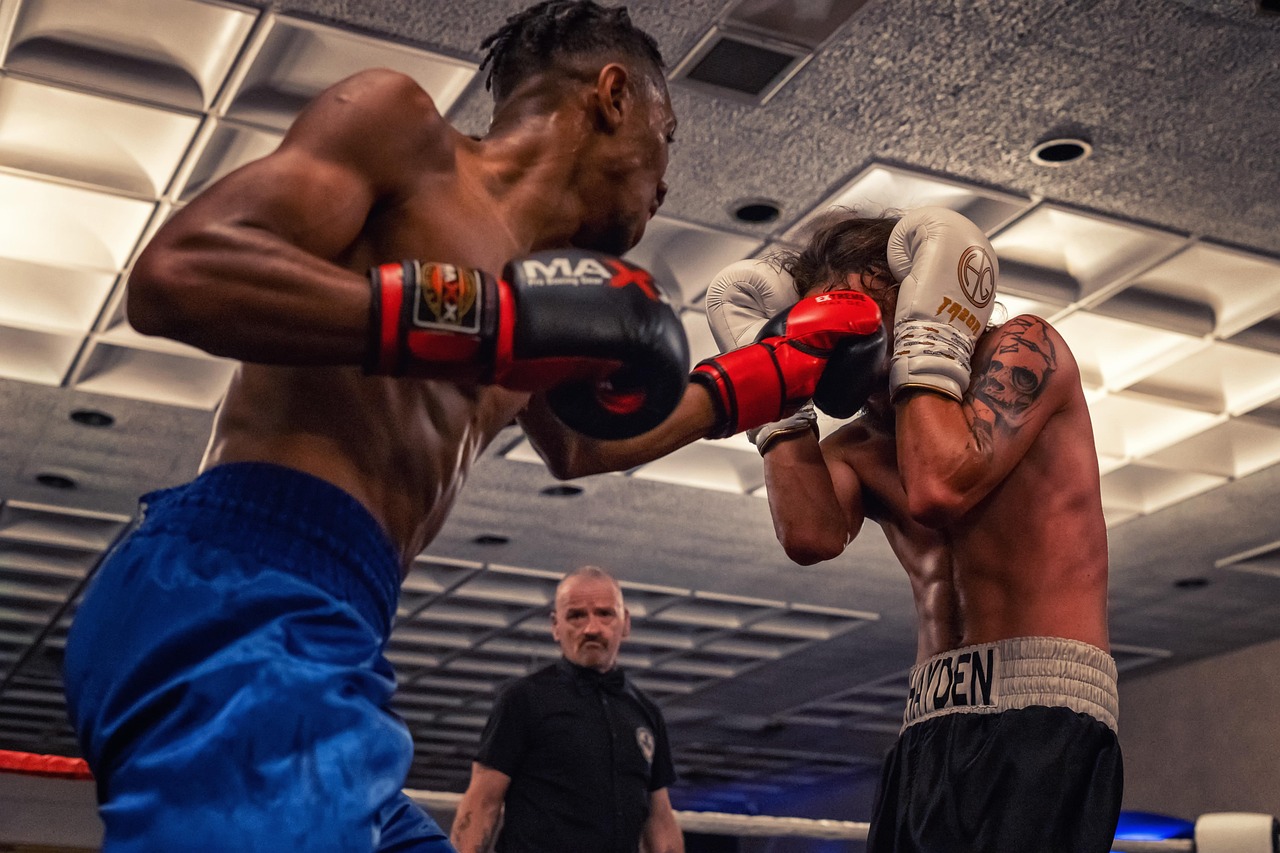

The Role of Judges and Referees in Boxing Tournaments
In boxing tournaments, the roles of judges and referees are crucial. Their responsibilities ensure that the event runs smoothly and fairly. Judges score the bouts based on fighters’ performance while referees enforce the rules. Both officials play vital roles that can impact the tournament’s outcome significantly. Judges evaluate techniques, control strategies, and effective aggression throughout the match. They award points on a round-by-round basis. Referees, on the other hand, maintain order in the ring. They are tasked with stopping fights if a boxer is in danger or unable to continue. Referee decisions can lead to controversial moments, especially in close matches. Clear communication between referees and judges is essential for a successful tournament. It helps in establishing a standard for assessing fighters. Additionally, the training of these officials is critical. They must understand the rules and guidelines thoroughly to make informed decisions. With experience, they enhance their ability to interpret actions properly. The overall integrity of a boxing tournament heavily depends on the competence of judges and referees. Fans and participants must trust their judgments, as it reflects the spirit of the sport.
Evaluating the performance of referees is equally important as assessing judges. Good referees exhibit qualities such as decisiveness and vigilance. Their ability to respond quickly can prevent injuries and ensure the safety of boxers. Referees must remain impartial while overseeing bouts. This neutrality is essential to maintaining fairness across all matches in a tournament. Additionally, referees need to communicate effectively with fighters. They should clarify rules and regulations beforehand to avoid misunderstandings. Professional tournaments often require referees to have extensive experience in the sport. This background allows them to handle complex situations that may arise in the ring. The importance of a good referee is undeniable, as their decisions can influence public perception. Improper officiating can lead to controversies that affect the sport’s credibility. Therefore, ongoing training and refresher courses are beneficial for refs. These programs help them stay updated on rule changes. Moreover, engaging with experienced officials can produce insightful discussions on best practices. A well-trained referee can enrich the experience for fighters and spectators alike. Their impactful role makes boxing tournaments competitive while ensuring athlete safety.
Judging criteria in boxing is intricate, and understanding it is vital for fans. Points are awarded based on several factors, including effective strikes and defensive maneuvers. Judges also consider the overall control of the match and aggression levels. This comprehensive scoring approach aims to reflect actual performance rather than mere activity. Each judge has their perspective, which can lead to differing opinions on scoring in closely contested bouts. The diversity in judging styles can create debates among boxing enthusiasts. In many tournaments, judges use a 10-point must system to determine the winner of each round. Under this system, the victor is given ten points, while the loser is awarded nine or fewer based on performance. This system promotes a clear distinction between the boxers’ prowess. Moreover, judges must remain focused throughout all rounds, as fatigue can affect decision-making. They often sit ringside to have a clear view of the action, but distractions can arise. Therefore, mental endurance is essential to ensure accuracy in scoring. Consistency in judging is a goal, as it provides confidence in the outcomes of the matches.
The Impact of Technology on Officiating
In recent years, technology has begun influencing officiating in boxing tournaments. Instant replay systems allow judges and referees to review previous moments for better decision-making. These advancements contribute to reducing errors that might lead to disputes over outcomes. Technology has the potential to enhance transparency and fairness—qualities that every sport strives to achieve. It’s essential to implement technology thoughtfully to complement human judgment rather than replace it. Moreover, technology can serve as a valuable training tool for judges and referees. By analyzing past matches, officials can learn from mistakes and improve their scoring techniques. Their ability to reflect on footage enhances their future officiating capabilities. Additionally, discussions about technological aid in the sport spark different viewpoints among boxing purists. While some see it as a necessary evolution, others believe it deviates from traditional methods. Nonetheless, as technology continues to develop rapidly, it’s vital for boxing to adapt accordingly. Engaging all stakeholders, including boxers and fans, in discussions about referee technology integration can produce a well-rounded perspective. Establishing a balance between tradition and innovation is crucial for maintaining the sport’s integrity.
The responsibility of officiating extends beyond judging and refereeing. Educating officials is essential for boxing tournaments to thrive, and certification programs help ensure they know all relevant rules. Furthermore, organizations overseeing tournaments must prioritize the selection of quality officials. They should have a deep understanding of the sport’s intricacies and dynamics. In most respected tournaments, officials are usually chosen based on experience and reputation. Public perception of a tournament’s integrity relies heavily on the officiating. Fans can become dissatisfied with decision-making, leading to wider discussions about officiating quality. Ultimately, high standards for judges and referees will promote more significant trust within both participants and audiences. Ensuring they are well-prepared not only helps mitigate disputes but also enhances the overall atmosphere of the event. The psychology of officiating is another crucial consideration. Well-mentored officials often make better choices under pressure due to their preparedness. Thus, aligning educational approaches with practical experiences can help elevate the details of judging. Continuous learning is key for officials to adapt to the ever-evolving landscape of boxing tournaments, ensuring that they meet the sport’s growing standards of excellence.
Conclusion: The Future of Officiating
As boxing continues to grow, the future of officiating faces significant challenges and opportunities. Emerging trends such as the incorporation of technology raise questions about how traditional methods will adapt. To ensure fairness, it’s essential for both judges and referees to embrace continuous learning and development. Understanding evolving techniques will enhance their effectiveness and create a more transparent environment for participants and audiences. Engaging in dialogue within the boxing community can foster innovation in the officiating process. This collaboration may lead to developing new standards that accommodate the fast-paced changes within sports. Inherent in these discussions is the acknowledgement of the value that skilled officiating brings to a tournament. With the right support and resources, officials can perform their roles confidently and effectively. Moreover, assessing the performance of referees and judges regularly will continuously improve the quality of officiating. Encouraging constructive feedback mechanisms can foster a culture of excellence and growth in boxing officiating. Ultimately, the evolution of officiating in the sport will reflect its dedicated commitment to fairness and integrity in every boxing tournament.
Efficient communication between all parties involved in a boxing tournament is vital. This involves not only the judges and referees but also the event organizers, boxers, and fans. Each aspect contributes to a cohesive understanding of the officiating process. Fans play an essential role in promoting an engaging atmosphere during tournaments. Their support and appreciation for fair officiating can encourage transparency. When everyone understands the rules and their implications, it improves the experience for all participants. Social media has also become an influential platform for discussions about officiating quality. Fans voice their opinions on bouts, and their feedback can prompt officials to reflect on their performances. As boxing tournaments evolve, integrating fan input could lead to improvements in officiating standards. Additionally, it’s essential for organizers to remain committed to fostering healthy relationships among stakeholders. Open communication lines and feedback channels can bolster confidence in the officiating process. This unity can ultimately ensure that every tournament retains its integrity and attracts both participants and audiences. Trusting the entire officiating team enhances the sport’s reputation and paves the way for successful events in the future.