
Understanding Heart Health and Trail Running in Seniors
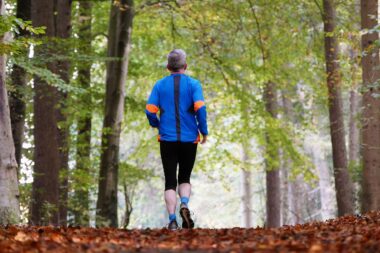
As seniors engage in trail running, it’s essential to prioritize heart health. Trail running comprises various terrains that challenge cardiovascular performance. The rhythm of running aligns with the heart’s requirements, promoting effective blood circulation. For many older adults, regular aerobic activity enhances cardiovascular strength and can prevent heart disease. Strengthening your heart naturally reduces the risk of hypertension, obesity, and diabetes. Before starting, seniors should consult their healthcare provider to assess physical readiness. Knowing one’s limits can prevent injuries and ensure a sustainable trail running routine. Trail running can unlock numerous health benefits, but it’s crucial to pace oneself while gradually increasing intensity. Trail running also aids muscle retention; as the body ages, maintaining lean muscle stimulates metabolism. This ignites calorie burning even during rest, contributing to weight management. Running on various surfaces boosts balance and coordination, critical elements that may decline with age. Additionally, staying outdoors elevates mood and mental health—supporting emotional well-being and combating feelings of isolation. Engaging in community runs can connect seniors with like-minded enthusiasts and foster social bonds for increased motivation.
Benefits of Trail Running for Seniors
Trail running offers unparalleled benefits tailored to seniors, emphasizing health and wellness. The diverse nature of trails encourages weight-bearing exercise that strengthens bones, crucial for older adults vulnerable to osteoporosis. Furthermore, running on softer surfaces reduces impact on joints, reducing the likelihood of injury, compared to traditional pavement running. Whether it’s an uphill climb or a flat path, the variance in terrain activates different muscle groups, resulting in a well-rounded workout. Moreover, trail running enhances cardiovascular endurance, leading to improved overall heart function. This can be especially beneficial as blood pressure levels often rise with age. Trails in natural settings can also provide calming scenery, providing a connection to nature that enhances mental peace. The psychological benefits of exercising outdoors cannot be overstated; numerous studies link outdoor activity to reduced anxiety and increased happiness levels. Additionally, trail running contributes to improved flexibility and balance. As seniors develop stronger muscles and enhanced coordination, falls become less common—providing an additional sense of security. Finally, trail running promotes social interactions when joining local clubs or groups. Entering running events cultivates a supportive environment that motivates seniors to stay active.
Preparing for Trail Running
Preparation is fundamental for seniors embarking on a trail running journey to ensure safety and enjoyment. Adequate footwear is paramount; investing in quality trail running shoes provides necessary support and traction to navigate uneven terrains safely. Proper fit helps prevent blisters and discomfort, encouraging longer runs without fatigue. Additionally, selecting appropriate clothing will keep seniors comfortable during varied weather conditions, ensuring layering options are available for warmth or cooling. Staying hydrated during runs is crucial; seniors should carry fluids to maintain hydration. Besides hydration, nutrition plays an essential role in performance. A balanced diet rich in whole foods supports energy levels, enabling longer runs. Furthermore, incorporating strength-training exercises can boost muscle endurance and overall performance while preparing for trail running. Stretching before and after runs is beneficial to guard against injuries and enhance flexibility. Understanding personal heart rates essential: monitoring can help track fitness improvements and avoid overexertion. Seniors must remember to listen to their bodies—if fatigue arises or discomfort strikes, rest and recovery are key. Setting realistic goals allows for gradual progress, keeping motivation high without the risks associated with pushing too hard too quickly.
Trail running, while beneficial for seniors, involves potential risks that should be addressed. Injury prevention remains a priority in any fitness endeavor. Juniors must familiarize themselves with trail characteristics, as unstable ground, rocks, and roots present hazards that may lead to falls or sprains. Proper warm-up routines, including dynamic stretches, are crucial prior to running to prime muscles and connective tissues. As age affects flexibility and reaction times, seniors should slowly adapt to their new running pursuits. Furthermore, it’s vital to run with a buddy or group; not only does it promote safety, but it also enhances the camaraderie of trail running. Having a companion can offer emotional support, especially in remote areas. Safety gear such as a whistle, first-aid kit, or cell phone can be instrumental in emergencies. Additionally, being weather-appropriate is crucial, as trails can become muddy or slippery in rain. Seniors should select their running times based on safety; avoiding dusk and dawn can minimize risks. Embracing these precautions allows seniors to gain maximum benefits from trail running while minimizing risks, thus promoting longevity in their active lifestyle.
Monitoring Your Heart Rate
Monitoring heart health during trail running is essential for seniors aiming for fitness. Using a heart rate monitor or smartwatch can empower seniors to understand their heart’s response to various exercise intensities. Establishing a target heart rate zone based on personal fitness levels and age encourages safe exertion. Generally, sustaining 50-85% of maximum heart rate is recommended during aerobic activities. Consulting a healthcare provider to determine suitable ranges can optimize safety during workouts. Monitoring daily variations in heart rates can highlight fitness progress. Over time, seniors may observe decreases in resting heart rates, indicating improved cardiovascular efficiency. However, if concerning symptoms arise, such as chest pain or excessive shortness of breath, seeking medical advice is crucial. Additionally, pairing heart rate monitoring with interval training can enhance cardiovascular endurance. Incorporating rest breaks into a running session can help maintain energy levels while keeping heart rates within a safe zone. Understanding heart health provides seniors with the knowledge to stay active and fit while enjoying their running routines. Stick to a schedule and make adjustments based on feelings to ensure a balanced approach to maintaining heart health.
Integrating recovery periods into trail running routines is vital for seniors to maintain their fitness levels. Adequate rest allows muscles to heal, adapt, and become stronger, increasing the longevity of one’s running journey. Initially, post-run routine may require more time, as seniors reacclimate their bodies to physical activity. Techniques such as foam rolling and stretching are integral to muscle recovery and flexibility. Cold therapy, like ice packs, can alleviate post-exercise soreness, enabling seniors to remain consistent in their running activities. Recovery days should be prioritized in a training plan; for instance, engaging in low-impact activities like swimming or yoga allows for active recovery while still promoting movement and physical engagement. Nutrition also significantly contributes to recovery; hydrating and consuming protein-rich foods play a role in muscular repair. Adequate sleep is equally vital, as this is when the body undergoes repairs and regenerates energy for future runs. Listening to one’s body remains paramount; fatigue signals or persistent soreness should not be ignored. Emphasizing recovery and understanding its significance greatly influences overall running performance and can maximize seniors’ enjoyment of trail running.
Conclusion: Embracing Trail Running
In conclusion, embracing trail running can profoundly enhance the overall well-being of seniors. The combination of cardiovascular benefits, muscle strengthening, and social engagement supports an active and fulfilling lifestyle. Prioritizing heart health through monitoring and preparation helps create a safe environment ideal for running adventures. The benefits derived from nature’s landscapes offer not only physical but also mental stimuli, critical for emotional happiness. Trail running presents a unique way for seniors to connect with their surroundings while performing an exercise that is both challenging and rewarding. Joining local running clubs helps foster a supportive community, encouraging continuous fitness participation. Seniors can inspire one another by sharing experiences and engaging in friendly challenges. To maintain longevity in their trail running pursuits, establishing realistic goals and honoring the body’s recovery needs is essential. As seniors integrate outdoor trails into their exercise regimens, they unlock a healthy and enjoyable way of life. Ultimately, with the right safeguards in place, trail running can become a cherished lifelong activity, supporting health and enriching lives significantly.