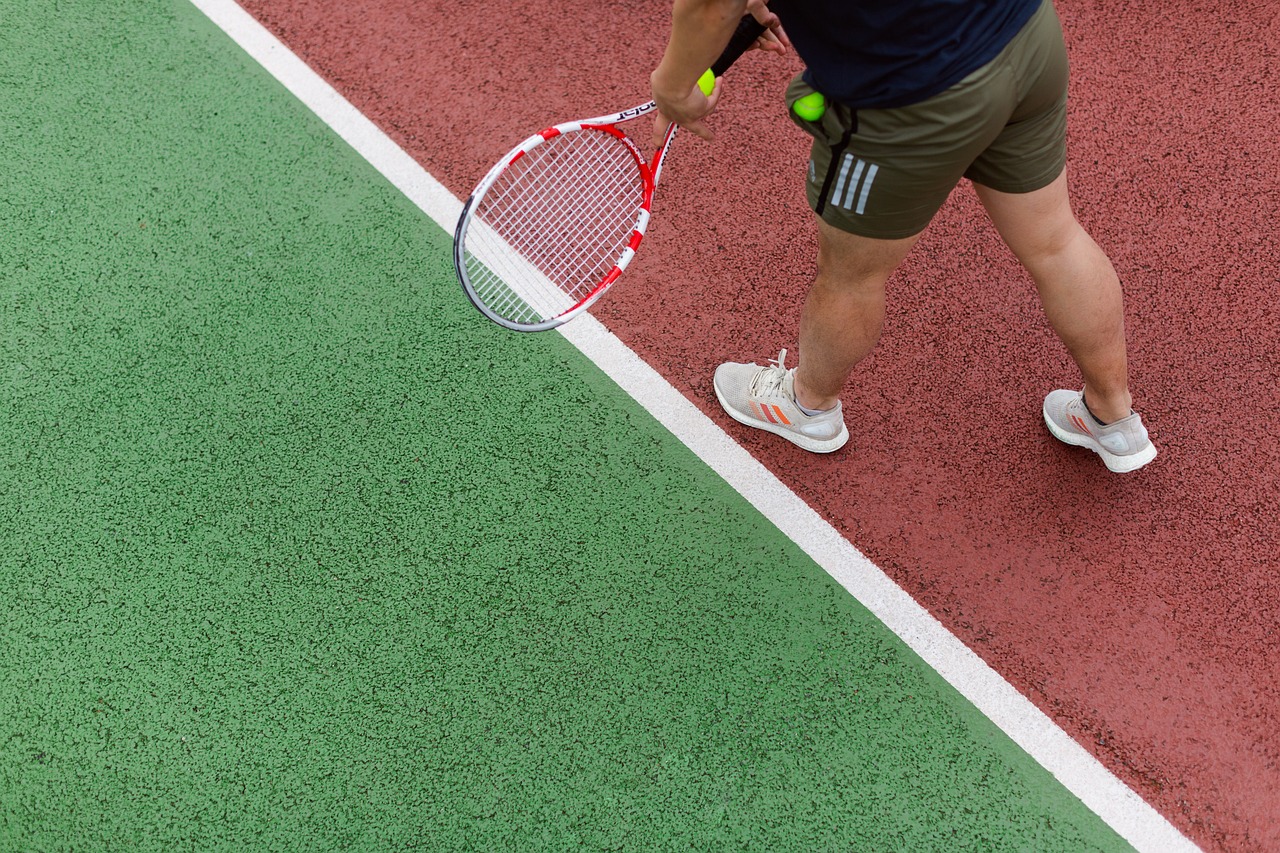

Biomechanical Analysis of Upper Limb Movements in Tennis Players
Biomechanics plays an essential role in understanding how athletes enhance their performance and prevent injuries. In tennis, upper limb movements are particularly crucial, given the sport’s reliance on effective stroke techniques. The analysis of these movements requires a thorough understanding of the principles of biomechanics, which can be used to model and simulate various actions occurring during play. Using advanced tools and techniques such as motion capture technology, researchers can objectively analyze joint angles, accelerations, and force exerted by the players. This is followed by computational simulations that allow researchers to generate insights into the best practices of technique. These analyses can lead to adjustments in players’ training regimens and performance strategies, enabling them to maximize their potential. By optimizing their biomechanics through detailed analysis, players can improve their serve, forehand, and backhand strokes. The incorporation of biomechanical analysis not only enhances sporting performance but also aids in injury prevention, which is vital for athletes who participate in high-impact sports continuously. Thus, a comprehensive biomechanical analysis is fundamental for understanding how players can best utilize their upper limbs during competitive tennis matches.
Upper limb movements in tennis can be dissected into specific phases that define each stroke, contributing to overall performance. Each stroke consists of distinct components, including preparation, execution, and follow-through, all of which must be biomechanically sound. For instance, during the serve, the initial wind-up engages numerous muscle groups that coordinate movement, highlighting the importance of upper limb dynamics. Muscular coordination is critical for power generation, allowing athletes to deliver serves that challenge their opponents dynamically. Studies show that slight modifications in grip or stance can significantly change the kinetic chain’s efficiency during these phases. Furthermore, analyzing these movements can uncover patterns that contribute to repetitive strain injuries, which are common amongst players competing at high levels. By observing the biomechanics of overuse injuries, coaches can tailor training programs to address weaknesses or suboptimal techniques. Thus, understanding movement mechanics not only benefits performance enhancement; it’s also integral for rehabilitation strategies. Coaches, trainers, and athletes can effectively collaborate on techniques that prioritize skill development while minimizing injury risks, fostering a longer, healthier athletic career. The key is continuous adaptation and learning based on biomechanical insights generated through rigorous testing and analysis.
The Role of Technology in Biomechanical Analysis
Recent advancements in technology have significantly transformed how biomechanical analysis is conducted within sports, particularly in tennis. Wearable technology, such as accelerometers and gyroscopes, now provide real-time data on the biomechanics of upper limb movements. This data allows for a comprehensive analysis of stroke mechanics, providing insights that were previously unattainable without sophisticated lab equipment. Computer simulations can also track the forces exerted during particular movements and estimate the potential risks of specific techniques. Through detailed analysis, it enables coaches and trainers to develop personalized training programs for athletes, enhancing performance based on biomechanical evidence rather than anecdotal observation. Additionally, the integration of digital platforms allows athletes to visualize their movements and understand the nuances of biomechanics in real-time. This empowers players to adjust their techniques immediately under professional supervision. While traditional methodologies remain crucial, the interplay of technology in sports biomechanics ensures a higher level of precision in training, ultimately leading to improved outcomes for players. Moreover, ongoing developments in artificial intelligence can augment this analysis, assisting trainers in predictive modeling for performance outcomes and injury occurrences.
Injury prevention is a paramount concern for tennis players, making biomechanics a vital aspect of training. Common injuries in the sport often stem from overuse and improper technique, particularly in the shoulders and elbows. Through biomechanical analysis, athletes can learn how to adopt safer mechanics that reduce strain on these vulnerable areas. For example, analyzing the angular kinematics of the shoulder during serves and strokes can identify risky loading patterns. Educating players on these factors allows them to modify their technique proactively, ultimately preventing injuries before they occur. Physical therapists and trainers can merge biomechanics with rehabilitation protocols, creating tailored recovery plans that reinforce correct movement patterns. Additionally, the focus on biomechanics opens pathways to understanding muscle fatigue and recovery, which can impact practice and game performance. For long-term success, players must consider the early signs of fatigue and modify their training intensity. The relationship between biomechanics and injury prevention not only enhances an athlete’s performance but is crucial for longevity in tennis. Continued research in this area is necessary to ensure that emerging players are equipped with the knowledge and tools for sustainable athletic careers.
Implications for Coaching and Training
Coaches can leverage biomechanical analysis to fine-tune their players’ skills, which has profound implications for training and performance enhancements. In tennis, coaches can identify biomechanical strengths and weaknesses through careful study, allowing them to provide targeted feedback that improves stroke efficacy. For instance, analyzing a player’s forehand through 3D motion captures enables coaches to visualize movement patterns. This visual data can significantly impact coaching strategies as it represents biomechanics in action. With insights gained from analysis, trainers can design drills that focus on specific mechanical elements to refine technique. The incorporation of video analysis enhances the learning experience as players can see their movements compared to elite performers. Furthermore, adapting training modalities based on biomechanical findings fosters a more scientific approach to athlete development. Coaches must stay informed about advancements in biomechanics to integrate these practices successfully into training regimens. The result is a more data-driven philosophy of player development that nurtures not only skills but also educational growth. By utilizing biomechanical concepts, coaches can guide athletes in optimizing their potential while ensuring they have a firm understanding of the mechanics involved.
The future of tennis performance could see significant changes due to ongoing research in biomechanics. As technology progresses, aspects such as machine learning and artificial intelligence will facilitate increasingly precise analyses of athlete movements. New tools and methods may emerge that allow for the instantaneous adjustment of player techniques based on biomechanical data. As such technologies become mainstream, they will redefine how athletes train and prepare for competition. Moreover, wearable tech will likely evolve to provide richer datasets about biomechanics, thus informing coaches and athletes alike. Emphasis on data analysis could lead to national programs aimed at grooming talents using biomechanical foundations. Consequently, young tennis players will be approached not only as athletes but as individuals capable of understanding the complexities of their movements. The culture surrounding tennis training is poised to shift, emphasizing education in biomechanics alongside physical and tactical development. As the understanding of biomechanics deepens, everyone connected to the sport will benefit, from coaches to players and even spectators, who may witness a new level of play. Ultimately, the integration of biomechanics into training approaches could echo improvements in performance, safety, and enjoyment of the game.
Conclusion and the Way Forward
The significance of biomechanics in analyzing upper limb movements in tennis players cannot be overstated. Embracing this scientific approach enriches players’ understanding of their bodies and the mechanics of their sport. Knowledge gained through biomechanical analysis enhances performance while mitigating risks of injury. Collaborative efforts between coaches, athletes, and biomechanists pave the way for innovative training protocols tailored to the nuances of tennis strokes. As technology continues to advance, the methodologies used to explore biomechanics will only improve, offering new opportunities to enhance athletic performance further. By focusing on a data-driven approach, athletes will be better equipped to achieve their goals and prolong their careers. Looking ahead, ongoing research presents the potential for groundbreaking discoveries in biomechanics that can reshape training principles in tennis and beyond. Ultimately, the fusion of technology and biomechanics serves as a vital component in preparing the next generation of athletes. With a focus on sustainability in training and performance, the future is bright for those invested in the intersection of sport and biomechanics. This holistic perspective promises to revolutionize how upper limb movements are approached within the demanding environment of competitive tennis.
Research efforts in biomechanics are continuously evolving, adapting to new technologies and methodologies that enhance analytical precision. The convergence of sports science and athlete training unfolds new avenues for performance optimization, ensuring athletes achieve their peak potential. Further, the collaborative approach involving coaches, biomechanics experts, athletes, and technology developers is essential in fostering deeper insights into mechanics and function. As continued investigations into upper limb biomechanics evolve, we can anticipate richer, more impactful data that highlights the relationship between movement mechanics and performance capacity. This paradigm shift encourages a culture of inquiry, fostering a deeper appreciation for the interconnectedness of physical techniques and game efficacy. By prioritizing biomechanics within training, players become empowered to explore their unique movement patterns, setting the stage for enhancing longevity in the sport. The future of tennis relies on embracing scientific principles to inform coaching practices and training methodologies. The journey toward excellence is nourished by understanding biomechanics, leading to more informed practices for all involved in tennis. Establishing biomechanics as a cornerstone of athletic development will undoubtedly influence the trajectory of tennis for years to come, ensuring a progression toward superior gameplay while upholding athletic health.