
Breathing Exercises to Manage Panic Attacks and Acute Stress
Many individuals experience panic attacks and acute stress, making effective coping strategies essential. Breathing exercises serve as powerful tools for managing these challenges, promoting a sense of calm and control. Engaging in mindful breathing helps bring awareness to one’s mental state, allowing the body to relax and the mind to clear. Regular practice can significantly reduce anxiety levels, enhance focus, and improve emotional resilience. By incorporating breathing techniques into your daily routine, you can develop a robust skill set for handling stressful situations. The concept behind these exercises revolves around the relationship between breath and physiological states. Breathing deeply triggers the relaxation response, lowering heart rate and reducing muscle tension. It enables individuals to break the cycle of panic and regain clarity. Furthermore, these methods are accessible, requiring no special equipment or location. Just a few minutes each day can yield substantial benefits. Developing a personalized plan, integrating various exercises, ensures sustainability and growth in managing stress effectively. Over time, consistent practice can create lasting changes in performance under pressure and emotional regulation.
Understanding different breathing techniques is crucial for effective stress management. Diaphragmatic breathing, also known as abdominal breathing, is one of the most effective methods. This technique involves inhaling deeply through the nose, allowing your abdomen to expand, and exhaling slowly through the mouth. Diaphragmatic breathing lowers blood pressure and triggers a calm response, allowing panic attack symptoms to dissipate. Box breathing is another valuable technique, widely practiced among athletes and professionals. In this method, you inhale for a count of four, hold the breath for four, exhale for four, and pause for another four seconds before inhaling again. This controlled pattern fosters concentration and offers tranquility during stressful moments. Other techniques include 4-7-8 breathing, where you inhale for a count of four, hold your breath for seven, and exhale for eight counts. This rhythmic style resets your system, encouraging relaxation and emotional balance. Each of these methods can be practiced anywhere, making them accessible during high-stress moments. Experiment with various techniques to discover which resonates best with your personal needs and preferences.
The role of practice in mastering breathing exercises cannot be overstated. Regular engagement is essential for harnessing the full potential of these techniques when needed. For those battling panic attacks, it can be beneficial to practice specific exercises daily, even in calm situations. This intentional practice prepares your mind and body to respond effectively during stressful episodes. Setting aside time each day for focused practice allows you to form a routine, thus enhancing your ability to integrate these exercises into everyday life. Consider utilizing mobile apps or online resources tailored to guided breathing sessions; many offer timed exercises that suit various lifestyles and schedules. To maximize the benefits, create a serene environment that encourages relaxation. Dimming lights, using calming scents like lavender, and setting an appropriate temperature can all contribute to a better practice session. Combine auditory tools, such as ambient music or nature sounds, to further amplify the experience. The key is to develop a consistent routine that suits your lifestyle while affording maximum comfort and accessibility.
The Science Behind Breathing and Stress Reduction
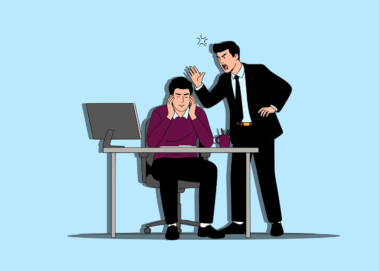
Current scientific research emphasizes the profound connection between breathing patterns and stress levels. When faced with acute stress, the body’s natural response is to hasten breathing, often resulting in hyperventilation. This cycle activates the sympathetic nervous system, heightening feelings of panic and anxiety. However, controlled breathing exercises effectively stimulate the parasympathetic nervous system, the body’s natural calming mechanism. Studies reveal that deliberate, slow breaths can decrease cortisol levels, ultimately reducing stress and promoting relaxation. Neuroimaging studies also indicate that breathing exercises may shift brain activity from areas associated with stress to those linked to calmness. Such practices allow individuals to harness their body’s inherent mechanisms for stress management, creating a feedback loop that reinforces calmness. This relation showcases the body’s ability to adjust its physiological responses through intentional breathing techniques. These findings encourage mental health professionals to incorporate breathing exercises as valuable tools in therapeutic settings. Moreover, applying such methods to daily life empowers individuals to take an active role in their well-being. Understanding the science behind breathing fosters a greater appreciation for these techniques and their long-lasting impact.
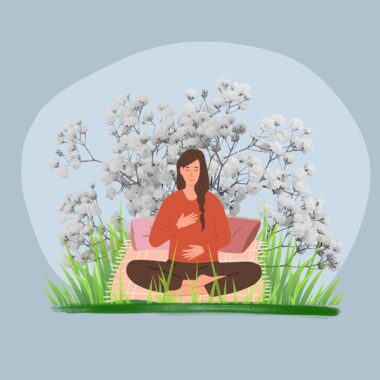
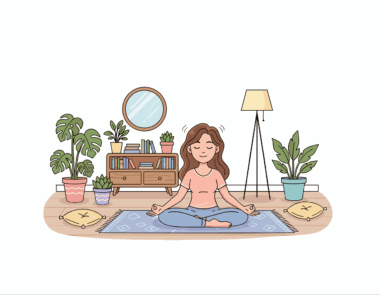
Establishing a conducive environment for practicing breathing exercises significantly influences effectiveness. Select a quiet and comfortable space where you won’t be interrupted; this could be a cozy corner in your home or a serene outdoor setting. Eliminating distractions enhances focus and allows for deeper engagement with the exercises. Ensure the environment is calming; consider using candles, soft lighting, or even aromatherapy to create a peaceful atmosphere. A calm environment promotes better concentration while you practice mindfulness and deep breathing techniques. If necessary, utilize supportive tools such as cushions or yoga mats to improve your comfort level. Positive reinforcement also aids in the development of your practice; consider keeping a journal to track progress and experiences with breathing exercises. Reflect on challenges faced and successes achieved in managing stress through these techniques. Regularly revisiting your goals can maintain motivation and commitment to your practice. Additionally, sharing your journey with friends or family can provide accountability and support. These social connections often prove beneficial, fostering motivation and encouragement to consistently implement breathwork as a daily practice.
Incorporating Breathing Exercises into Daily Life
Integrating breathing exercises into your daily routine enhances their effectiveness, transforming them from occasional stress relief tactics into essential life skills. A simple way to accomplish this is by dedicating a few minutes each morning to focused breathing, setting the tone for your day. You can incorporate these techniques during mundane daily activities such as while commuting, waiting in line, or during breaks at work. Moreover, pairing breathwork with other self-care practices, like meditation or yoga, can strengthen your overall wellness routine. Find moments throughout your day where intentional breathing can be applied seamlessly. Even during high-pressure situations, taking a brief pause to breathe deeply can regain your composure, making it easier to navigate challenges as they arise. Challenge yourself to engage in random breathing exercises, especially when you anticipate stressors. Practicing these skills regularly ensures they remain at the forefront of your coping toolbox. Understanding that moments of stress can arise unexpectedly, having accessible methods ready will enhance your immediate response and ability to manage acute situations effectively.
The journey to mastering breathing exercises for panic attacks and acute stress requires patience and dedication. While it may take time to feel comfortable with certain techniques, the rewards are well worth the effort. Remember that everyone is different; discover which methods resonate with you on a deeper level. Celebrate small successes along the way, recognizing how consistent practice enhances your coping abilities and resilience. Over time, you may find that your emotional responses become more balanced and that you’re better equipped to handle life’s challenges. Online communities or support groups can be valuable resources, providing additional insights and motivation to stay committed. Consider sharing your experiences with others, as it can reinforce your own learning and inspire others. With a proactive approach and continued practice, these breathing exercises can transform into practical strategies for maintaining mental wellness. They will empower you to control your reactions to stress and anxiety effectively, ultimately enriching your quality of life. Your journey into understanding breathwork offers a path to a calmer, more serene existence.