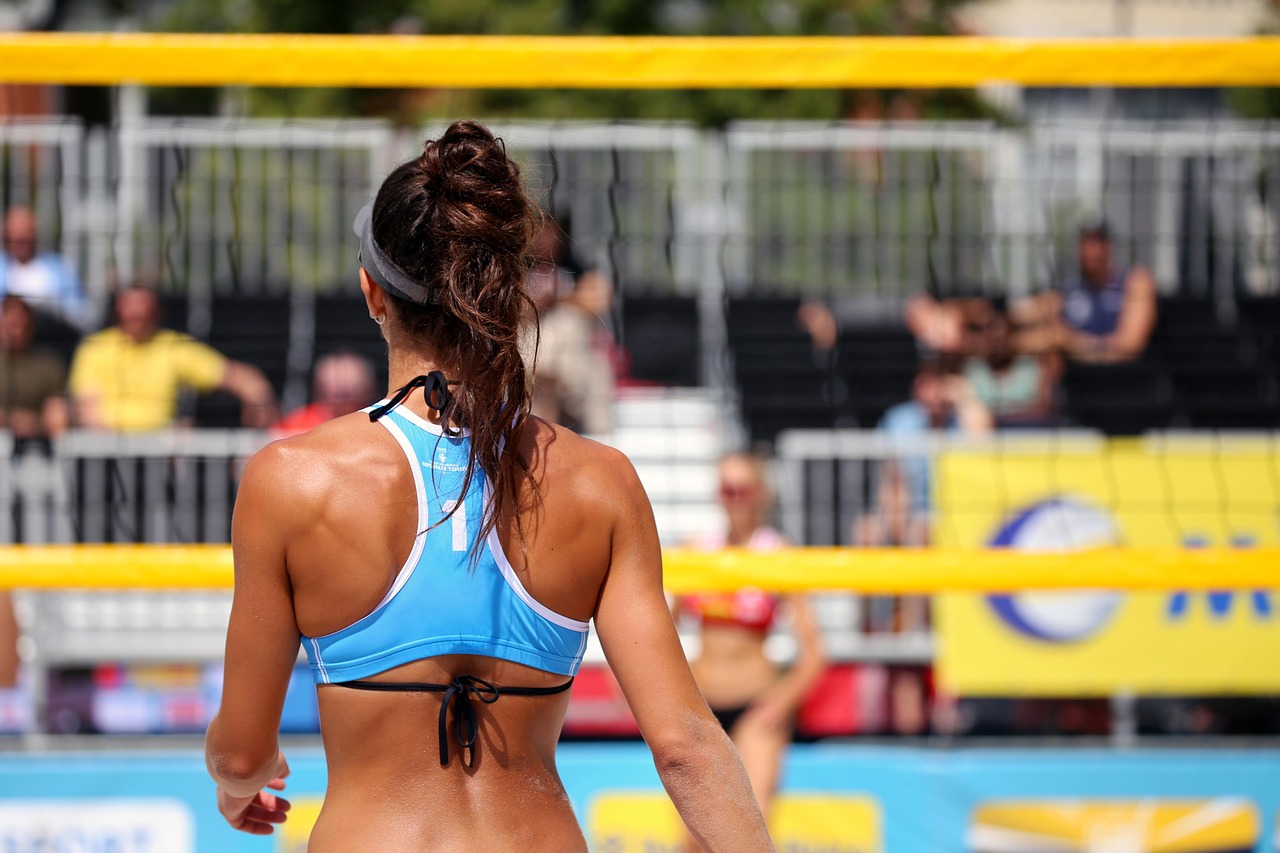

Designing Drills for All Skill Levels in Volleyball Teams
Volleyball is a dynamic sport that requires targeted training strategies tailored for different skill levels. Designing drills that cater to various levels ensures that all players receive valuable practice, leading to improvement across the board. Starting with beginners, drills should focus on fundamental techniques such as passing, serving, and basic footwork. Simple yet effective activities can help develop these essential skills. Increasing complexity as players progress is highly beneficial. For intermediate players, drills could include more advanced techniques like attacking and blocking as well as team communication exercises. Emphasizing situational awareness during practice promotes a deeper understanding of the game. Advanced players, on the other hand, can benefit from specialized drills that focus on tactical plays and team dynamics. Coaches need to adapt each drill for intensity, technique focus, and game scenarios. Structuring a practice session to encompass drills for various skill levels can maximize skill development in player performance. Incorporate feedback, peer reviews, and goal setting to promote a positive learning environment. Drill design should be both flexible and structured, with an aim of fostering an inclusive training atmosphere.
Identifying Key Drill Components
When designing volleyball drills, it’s crucial to identify the key components that will enhance skill development effectively. First, each drill must have a clear objective, whether it focuses on improving a specific skill or enhancing teamwork. For example, a drill aimed at perfecting serves should include varied types of serves, such as floaters and jump serves. Next, choose the right equipment to facilitate effective training; incorporating cones to mark positions or utilizing nets can add clarity to each drill. Variability in drill intensity is also essential; mixing up high-intensity drills with low-intensity ones helps in managing player fatigue and maintaining engagement. Coaches should monitor player progress and make adaptations as necessary. Regular evaluations help ensure that practices stay relevant and effective. Further, interaction amongst players during drills can promote communication, which is vital during matches. Incorporating competitive elements can enhance motivation and excitement. Lastly, using timers or scoring systems can make drills more engaging, while also helping players understand pacing and performance benchmarks. Ultimately, thoughtful consideration of these components will yield drills that benefit players of all skill levels.
Another essential aspect of drill design is ensuring inclusivity for all skill levels in practice sessions. Differentiating tasks within a drill allows varying experience levels to challenge themselves effectively. For instance, while beginners might focus on ball control during passing drills, more skilled players can concurrently work on executing rapid transitions between passing and setting. This layered approach promotes team cohesiveness and maintains engagement across skill levels. Moreover, coaches should foster an encouraging environment where players feel comfortable to express their abilities and seek help. Implementing grouped stations during training can facilitate smoother transitions between skill levels. Here, higher-skilled players can mentor less experienced teammates, promoting a culture of collaboration and learning. Additionally, providing clear instructions helps prevent frustration among participants. Progressively advancing drill complexity ensures that the players do not become overwhelmed while still pushing them to improve. Coaches should prepare to offer modifications to make drills more accessible or challenging based on individual player performance. This is particularly effective in mixed-ability groups, ensuring every player has the opportunity to develop and thrive. Inclusivity not only enhances skill development but also strengthens team unity and morale.
Incorporating Game-Like Scenarios
Integrating game-like scenarios into drills is pivotal in promoting real-match readiness and understanding within volleyball teams. By simulating match situations, players can effectively apply the techniques learned during practice to game scenarios. For instance, incorporating drills that require players to react to specific match situations enhances their decision-making skills and improves their overall agility. Small-sided games are an excellent way to mimic actual gameplay while allowing for a greater number of touches on the ball. Input from experienced players during these sessions can lead to insightful advice. Individual skill focus can also be maintained by assigning roles in these scenarios—setter, hitter, and libero, which fosters a deeper understanding of various positions. Coaches should create competitive yet supportive environments to build resilience. Adding time limits during drills can further intensify scenarios, encouraging quick thinking and faster reactions. Observing player responses in these game-like drills unveils areas for improvement and development. Evaluating performance in these situations can significantly motivate players to improve their skills, awareness, and cohesiveness. In summary, practicing in simulated environments arms players with confidence and readiness needed during actual matches.
Effective communication during volleyball training cannot be overemphasized. Drills should train players not only on physical skills but also on verbal and non-verbal cues necessary in teamwork. Coaches should include specific exercises that emphasize calling plays, setting the tone, or designing signals during practices. Teaching players to communicate their intentions can greatly enhance overall team coherence on the court. Pairing verbal communication with active listening ensures all players are on the same page, particularly in high-pressure game situations. Furthermore, promoting leadership within drills can predispose players to take charge and motivate others to contribute. Encouraging mentors or more experienced teammates to lead certain drills can also facilitate their growth in communication. Implementing strategies that include gaining feedback post-drills helps players reflect on team interactions and personal improvements. Team huddles during breaks offer moments for players to share observations and insights, which can improve drills’ effectiveness. Coaches should actively circulate during drills, listening and facilitating conversations to promote an open dialogue. Recognizing achievements or improvements in communication can support a positive training atmosphere, leading to enhanced team dynamics and performance in tournaments.
Monitoring Progress and Adapting Drills
Monitoring player progress is essential in volleyball, facilitating necessary adaptations in drills to fine-tune training approaches. Establishing clear performance indicators, such as successful serves, accurate passes, and effective teamwork, provides information to coaches on individual and team development. Regular assessments should be planned throughout the training sessions to establish baselines and track improvement over time. Video analysis can also be an insightful method for evaluating techniques and evaluating the effectiveness of drills. By reviewing recorded training sessions, both players and coaches can gain crucial perspectives on their skills. Adaptations in the drills must be made based on these observations; for instance, increasing the speed of play or introducing new techniques aligns with player growth. Coaches must maintain open communication with players regarding their assessments to motivate continuous development proactively. Additionally, structuring training plans that allow enough time for rest and recovery is vital for performance and injury prevention. Continuous adaptability ensures all players benefit from training efforts that align with both team goals and individual capacities. Ultimately, monitoring and adapting drills are pivotal for achieving success in volleyball tournaments.
Evaluating the overall effectiveness of a coaching strategy also plays a critical role in volleyball training preparation. Surveys, assessments, and feedback from players provide essential insights into their training experiences and perceptions of drill effectiveness. Implementing player input can significantly enhance methods and drills used in teams. Evaluating team performance in practice matches can also gauge how well the training drills translate into real-game scenarios. Coaches play a vital role in reflecting on team dynamics, assessing training drills, and pinpointing areas for improvement. Additionally, collaborating with other coaches can provide fresh perspectives and innovative strategies tailored to specific team needs. Periodic evaluations help steer the coaching approach and realign strategies to maximize player development. Aligning players’ goals with coaching objectives is essential for fostering player commitment, confidence, and enjoyment during training. Engaging with players to discuss their feelings about the drills promotes a supportive team environment. By celebrating milestones and encouraging continuous feedback, the emotional and physical well-being of players can be fostered. This approach encourages inclusivity and supports player retention, ultimately making preparations for tournaments more effective and enjoyable.
Conclusion
In conclusion, effective design drills are paramount in preparing volleyball teams for tournament play. Drills centered around skill inclusion and progression enable players of all levels to develop better techniques and foster excellent team dynamics. By identifying critical components of drills, fostering communication, and incorporating game-like scenarios, coaches can create effective training environments. Monitoring progress through assessments, providing feedback, and adapting drills as necessary ensures player growth remains central to the coaching strategy. Emphasizing inclusivity, fostering mentorship among players, and reinforcing communication promotes a constructive learning atmosphere. This framework not only hones individual skills but also enables players to develop confident teamwork crucial for performances in tournament settings. Coaches play a vital role in creating excitement and enthusiasm for training by developing innovative and engaging drills. The strategies discussed can make a significant difference in the effectiveness of practice sessions, ultimately leading to improved performance in matches. As teams work together, their collective strength will enhance their chances of success during tournaments. By continually refining training methods and embracing adaptability, volleyball teams can thrive and reach their full potential during competitions.