
Improving Mobility through Swimming Rehabilitation
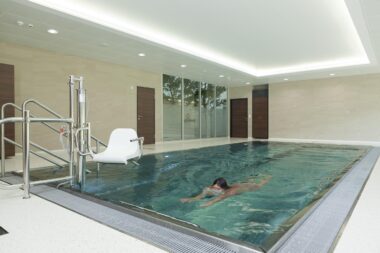
Swimming rehabilitation provides individuals with the opportunity to enhance their mobility, offering a low-impact environment that can effectively support recovery. This method allows patients to engage in exercises beneficial for their rehabilitation process while minimizing the risk of injury or strain. Water buoyancy reduces joint stress and allows individuals to perform movements that may be impossible on land. Through swimming rehabilitation, patients can regain strength and flexibility, helping them return to their regular activities. Swimming aids in improving cardiovascular health, which is essential during recovery. The rhythmic nature of swimming promotes deep breathing and can enhance lung capacity, which is often compromised in individuals undergoing rehabilitation. Furthermore, aquatic therapy can boost mood and alleviate stress, making the recovery process more enjoyable for individuals. Benefits also include improved coordination and balance, which are crucial during rehabilitation. Swimming requires the use of various muscle groups, promoting overall strength and endurance. By incorporating swimming into rehabilitation programs, therapists can create personalized treatment plans tailored to each patient’s unique needs and goals, ensuring a successful recovery journey.
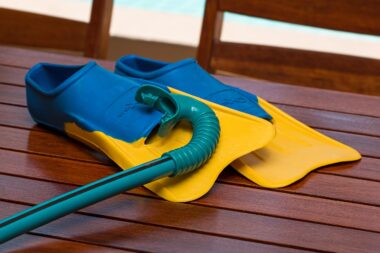
The structure of swimming rehabilitation involves a series of progressive exercises designed to align with each individual’s physical abilities. Imagine a patient beginning with simple floating exercises, gradually moving to more complex strokes as confidence and strength increase. This method encourages patients to push their limits in a safe environment, guided by a trained therapist. The therapist may also implement additional equipment such as kickboards or aqua weights to further tailor exercises, enhancing muscle resistance while staying buoyant. The usage of these tools in water therapy creates a stimulating environment for recovery. Mobility exercises can also be coupled with strength-training activities to maximize rehabilitation effectiveness. Patients can benefit from increased muscle engagement, which in turn decreases recovery time. By ensuring a stimulating and adaptive exercise regimen, it keeps patients motivated and willing to progress further. In swimming rehabilitation, the use of a structured routine helps track progress and adjust exercises as needed. Patients can visibly see their achievements, which encourages a positive mindset during recovery. Moreover, this program promotes social interaction among participants, reducing feelings of isolation that often accompany physical rehabilitation.
Benefits for Injured Athletes
For injured athletes, swimming rehabilitation is a critical component of recovery, allowing them to stay active while healing. During the rehabilitation process, athletes can maintain cardiovascular fitness and muscular endurance through water exercises, thus preserving their competitive edge. This is especially crucial as returning to their sport quickly can become a top priority. Water therapy can aid in the healing of specific injuries, such as sprains and strains, by promoting blood flow and reducing inflammation. The resistance of water creates an ideal environment for strengthening muscles without the risk associated with traditional weightlifting. Additionally, swimming promotes balance and proprioception, key attributes essential for athletic performance. When athletes swim, they also practice techniques relevant to their sport, such as breath control and rhythm. This familiarity helps them transition back into sports seamlessly once fully recovered, reducing the chances of re-injury. An effective rehabilitation program will include sport-specific drills to ensure athletes can return to performance at their best. Engaging with certified swimming rehabilitation specialists can make a significant difference in the speed and effectiveness of the recovery process.
Furthermore, motivation plays a key role in successful rehabilitation, and swimming often elicits a sense of enjoyment. The water environment fosters a positive attitude, making therapy sessions feel less taxing than traditional land-based rehabilitation methods. With an engaging atmosphere, patients may be more likely to adhere to their rehabilitation routine. This adherence is crucial for achieving mobility goals efficiently, opening pathways for individuals to reach new physical heights. Group sessions often form, enhancing camaraderie among participants who share similar challenges and aspirations. Shared experiences in the swimming pool can foster friendships, making rehabilitation not only effective but also enjoyable. This social aspect reduces anxiety associated with recovery and enhances the overall experience. Many patients find that the support of peers encourages them to set ambitious goals and maintain accountability. Thus, the psychological benefits of swimming rehabilitation extend beyond physicality, positively influencing overall mental well-being. By improving social interaction and enhancing the motivation of participants, swimming rehabilitation becomes a holistic approach to healing. Furthermore, the adaptability of the program ensures it meets diverse needs across various injury types. Therefore, it has become an essential part of modern rehabilitation practices.
Therapist Role in Swimming Rehabilitation
The role of therapists in swimming rehabilitation cannot be overstated. They assess each patient’s condition and collaborate with them to create personalized swimming programs. This personalized approach ensures that the activities undertaken in the water align with each patient’s unique recovery goals and are adjusted as their strength and mobility improve. The therapist acts as a guide, providing motivation and support during every session, which significantly enhances recovery outcomes. They monitor the patient’s progress and modify exercises in real-time, ensuring participants remain challenged yet safe. Moreover, therapists provide education regarding techniques that can be utilized beyond the rehabilitation phase, promoting self-sufficiency in patients. Through instruction and practice, patients learn valuable swimming skills that assist in their overall health maintenance. This education empowers them to take charge of their own fitness post-rehabilitation, ensuring long-term mobility and health benefits. The structured nature of a therapist-guided program increases patient confidence and reduces the likelihood of succumbing to injuries through poor technique. Ultimately, the therapist’s role transforms swimming from a simple exercise to a comprehensive rehabilitation strategy, enhancing outcomes for patients.
Another essential aspect of swimming rehabilitation is evaluating progress through measurable goals and outcomes. Participants engage in assessments to monitor improvements in strength, flexibility, and mobility as they progress through the program. These evaluations provide individuals with tangible evidence of their advancement, reinforcing motivation. The measuring of outcomes can be used to adjust rehabilitation strategies, ensuring that participants are continuously challenged in their recovery. This adaptive strategy promotes sustained engagement during rehab, empowering patients to push their capabilities progressively. Furthermore, improved technology allows for enhanced tracking of individual performance, facilitating data-driven decisions throughout the rehabilitation journey. Patients can receive feedback that further motivates their commitment to achieving optimal results. As swimmers, they physically can experience their ever-increasing abilities firsthand, which bolsters their self-esteem. With every accomplished milestone, recovering patients feel more connected to their rehabilitation process. Increased independence creates a sense of ownership over their healing journey, engendering a deeper commitment to ongoing health. In summary, tracking progress is vital, ensuring continuity and success in swimming rehabilitation.
Conclusion: The Path to Mobility
In conclusion, swimming rehabilitation presents a multifaceted approach to enhancing mobility for individuals recovering from injuries. The combination of physical exercise, personalized programs, active therapist engagement, and social interaction creates a nurturing environment for healing. With a focus on low-impact activities, swimming provides an ideal medium for individuals to strengthen their bodies without risking further injury. The comprehensive nature of aquatic rehabilitation encourages patients to set and achieve personal goals, further enhancing their recovery experience. Through ongoing evaluations and measurable outcomes, patients maintain their motivation and can progressively challenge themselves throughout the process. As a community-oriented practice, swimming rehabilitation promotes friendships that can last beyond the therapy sessions, reinforcing emotional well-being during recovery. This holistic approach addresses not only the physical needs of patients but also the psychological and social aspects vital for complete healing. Therefore, integrating swimming into rehabilitation programs ensures patients receive optimal care tailored to their specific needs. Embracing swimming rehabilitation leads individuals toward the path of improved mobility, fostering a healthier, more active lifestyle following their recovery.