
The Benefits of CPR Training for Pool Owners
Pool ownership brings joy, relaxation, and fun. However, with these pleasures come significant responsibilities, especially concerning safety measures. One of the most important aspects of pool safety is the ability to respond effectively in emergencies. The expertise afforded by CPR training equips pool owners with crucial skills that can save lives. Knowing how to administer CPR not only provides confidence but also ensures that a pool owner can act decisively during a crisis, whether a child has fallen into the pool or someone has faced an unexpected medical emergency. Aside from the immediate skills gained, undergoing CPR training often encompasses first aid and safety techniques. This comprehensive training becomes invaluable in preventing accidents. Moreover, being CPR certified can foster a sense of community awareness. Engaging with neighbors and friends about these skills not only enhances their safety but also contributes positively to community spirit. Identifying potential hazards around pools is crucial. Training helps owners understand risks and establish practical safety protocols to mitigate accidents. Overall, prior preparation through CPR and life-saving techniques means being ready for any pool-related emergencies.
Moreover, knowing CPR can also enhance the overall pool experience for everyone involved, as it promotes a safer atmosphere. When guests are aware that the pool owner is trained in emergency procedures, their peace of mind grows significantly. They can relax and enjoy their time knowing they are protected should anything happen. This growing awareness of safety standards can encourage more people to enjoy the pool as well. Beyond this psychological comfort, effective CPR techniques can directly affect recovery outcomes during emergencies. When performed correctly and promptly, CPR can improve chances of survival for someone experiencing a cardiac event or drowning. Furthermore, CPR training often includes techniques relevant to different age groups. This diversity in knowledge is critical for pool owners who frequently host family gatherings, including young children and elderly guests. Recognizing and adapting responses for various populations ultimately maximizes safety efficacy and responsiveness. By participating in ongoing training or refreshing certifications, pool owners can stay updated with the latest practices. This ensures that their skills are current and effective, reinforcing a welcoming environment where enjoyment and safety coexist harmoniously.
Establishing Safety Protocols
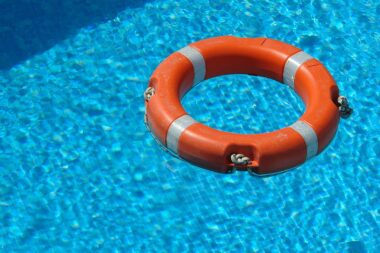
In addition to fostering a safer environment through personal preparation, establishing robust safety protocols at the pool area is imperative. An organized safety plan, developed by the pool owner, ensures that everyone visiting knows the necessary procedures in case of an emergency. This plan can include the arrangement of safety equipment such as life jackets, rescue floats, or access to emergency telephone numbers. Owners can create simple rules for guests, such as enforcing the use of safety gear for children. Signage indicating pool depth, emergency exits, and basic rules should be placed in visible locations. An informed guest is less likely to face accidents. Having regular safety drills can practice these procedures, making responses quicker during real emergencies. Pool owners can impart this knowledge to all guests, ensuring everyone understands the importance of safety measures. Implementing these protocols can lead to a culture of awareness surrounding pool safety. Statistics show that an accessible and informative safety plan actively reduces the number of accidents. Ultimately, safety procedures need to be dynamic; adapting them as circumstances change is crucial to maintaining a secure swimming environment. Responsibility also extends to ensuring prompt access to emergency services.
Along with establishing safety protocols, forming relationships with local emergency services can enhance pool safety. Pool owners should familiarize themselves with local emergency personnel, providing them pertinent information regarding pool characteristics, including depth and features. This knowledge allows emergency responders to navigate effectively during emergencies, especially if they are familiar with the property layout. Moreover, pool owners can coordinate visits to create awareness about potential hazards. These relationships can also foster training opportunities; some local fire departments or agencies offer community-based training sessions on CPR and other vital skills. Collaborating with these organizations not only supports safety measures but also builds civic responsibility among pool owners. Mobile apps provide emergency contacts, including lifeguarding services or urgent care centers, which can help owners access immediate guidance during emergencies. Having direct contacts allows pool owners to tackle emergencies proficiently. Furthermore, pool owners owe it to their community to share knowledge regarding safety measures other residents might lack. Hosting community workshops can inform more individuals about CPR and safety protocols. Such initiatives foster collective safety culture and ensure everyone knows how to respond to emergencies. This purposeful connection among community members develops a comprehensive strategy to enjoy a safe swimming experience.
Training Opportunities
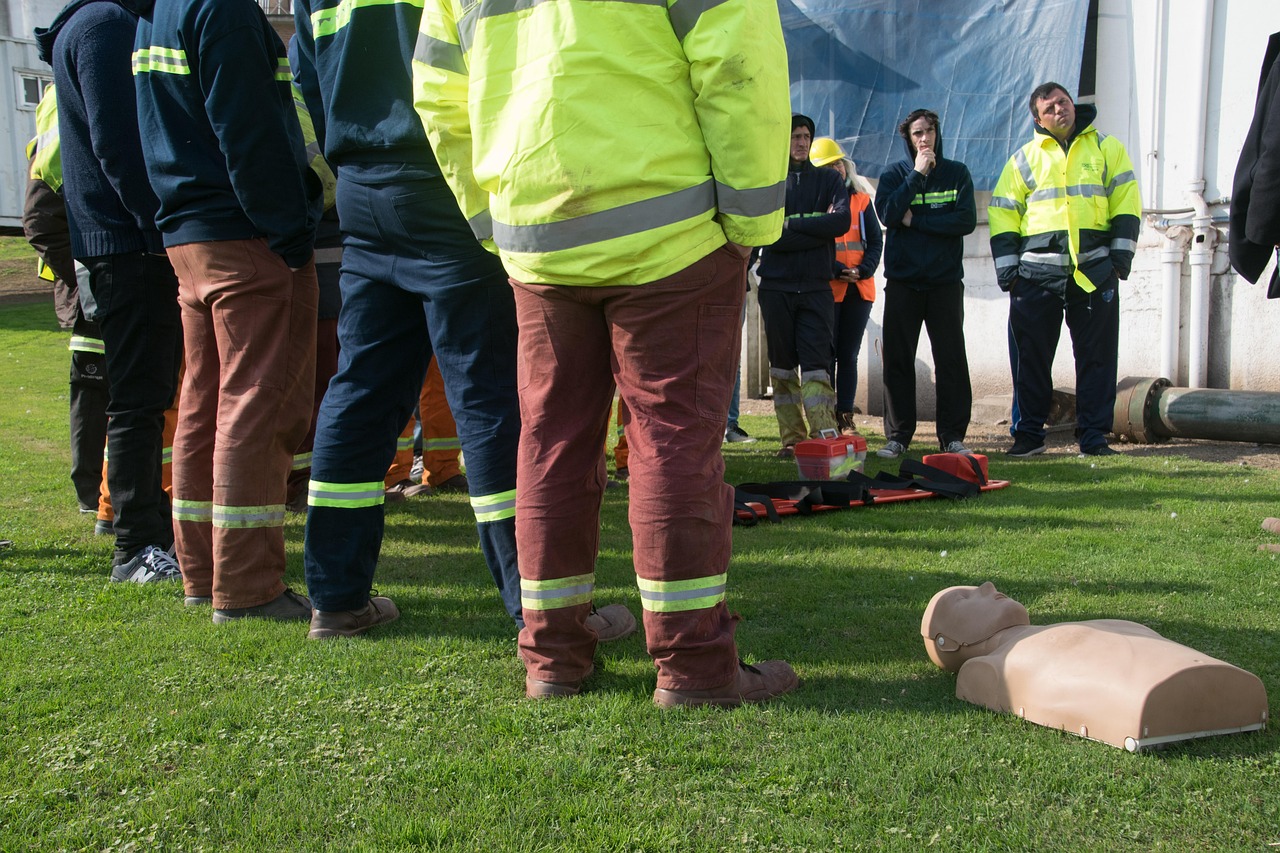
Several organizations provide CPR training designed specifically for pool owners, which can be accessed online or through hands-on workshops. Seeking certifications from well-regarded organizations instills credibility in training programs. Well-structured courses offer a blend of instructional techniques, allowing pool owners to learn through theory and practice. Many of these programs customize their content to suit varying levels of experience, ensuring that everyone—fom novice to seasoned pool owners—feels comfortable participating. In-person classes often include experience with CPR manikins, which strengthen muscle memory and critical decision-making skills. Additionally, some courses teach owners how to prevent accidents specific to swimming pools through detailed training on monitoring swimmer behavior. Workshops often emphasize continuous learning, encouraging participants to refresh their skills regularly since the procedures for CPR can evolve. Training that embraces real-life case scenarios will also enhance the skills needed during emergencies. This focus on practical learning experiences enables participants to apply what they learn confidently. Pool owners can seek local chapters of nationwide organizations, providing easy access to workshops. These opportunities contribute to building a safer environment, showcasing a proactive approach to pool safety while ensuring enjoyment for all.
Engaging with fellow pool owners can also provide opportunities for shared learning experiences. Many community centers or local pools host seminars that bring together individuals interested in pool safety. Networking within these groups fosters a platform for exchanging best practices, challenges faced, and advanced safety measures. Establishing a pool safety network allows owners to share proactive strategies while working with safety training instructors to host their localized sessions. Inviting experienced certified individuals can foster collaborative learning within the community. Additionally, these interactions can highlight the importance of ongoing education in safety measures, creating a culture of shared responsibility among pool owners. Local events, such as neighborhood barbecues or pool parties, can incorporate safety discussions as informal opportunities for learning. When the focus is on positive guest experiences, discussions about CPR and safety can help owners demonstrate their commitment to collective care for guests. Pool owners, especially those with children or elderly guests, need to perceive pooling an enjoyable and safe retreat. This interconnected network not only enhances skillful capabilities but also contributes positively to community well-being, reinforcing collective consciousness towards responsible pool ownership.
Conclusion: A Lifesaving Investment
Ultimately, investing time in CPR training for pool owners translates to invaluable lifesaving skills. Pool owners have the duty to ensure that their surroundings are safe, facilitating enjoyable experiences for all visitors. Knowing CPR can dramatically alter the outcome during emergencies, and having robust safety protocols empowers individuals to act quickly and efficiently. It’s crucial to remember that prevention is vital. Alongside preparation, community involvement promotes awareness among those who enjoy swimming pools. Establishing relationships with local emergency services augments the efficiency of responses during emergencies. Continuously sharing knowledge and resources aids in cultivating a safe environment. Furthermore, collaborating with fellow pool owners inspires unity, encouraging open discussions about safety concerns. As recreational areas, pools are particularly enjoyable, yet they require owners to proactively address safety measures. Following the guidelines laid out above fosters a culture where safety and enjoyment intersect harmoniously. Being proactive today leads to enhanced safety experiences tomorrow, and promoting a community of skilled, prepared individuals is a significant benefit worth pursuing. A trained pool owner contributes significantly to community vitality, embellishing shared experiences around enjoyment, safety, and long-lasting memories.
Prioritizing pool safety through effective CPR training engages individuals at every level. Pool owners must take the initiative to prepare for potential emergencies while fostering an environment where enjoyment overlaps with a secure atmosphere. Beyond personal pedagogical pursuits, it is essential to dissipate the knowledge throughout the community through shared responsibility practices. Being CPR certified ensures that pool owners can act swiftly during a crisis. This preparedness encourages others to engage further in safety training, amplifying positive community outcomes. As individuals are educated on pool risks and preventive measures, the likelihood of accidents drastically decreases. Pool owners should reflect on both their immediate family and the broader community when considering the impact of their training. Even minor actions can lead to greater awareness, protective measures, and cohesive community interactions. Localized events provide platforms for shared experiences where safety and enjoyment become essential topics of discussion. This dynamic involvement not only leads to well-informed individuals but also continues the culture of safety across generations. By actively engaging fellow pool owners, individuals can help to reshape their surroundings, weaving in prevention and response strategies that enhance life in and around pools for everyone.