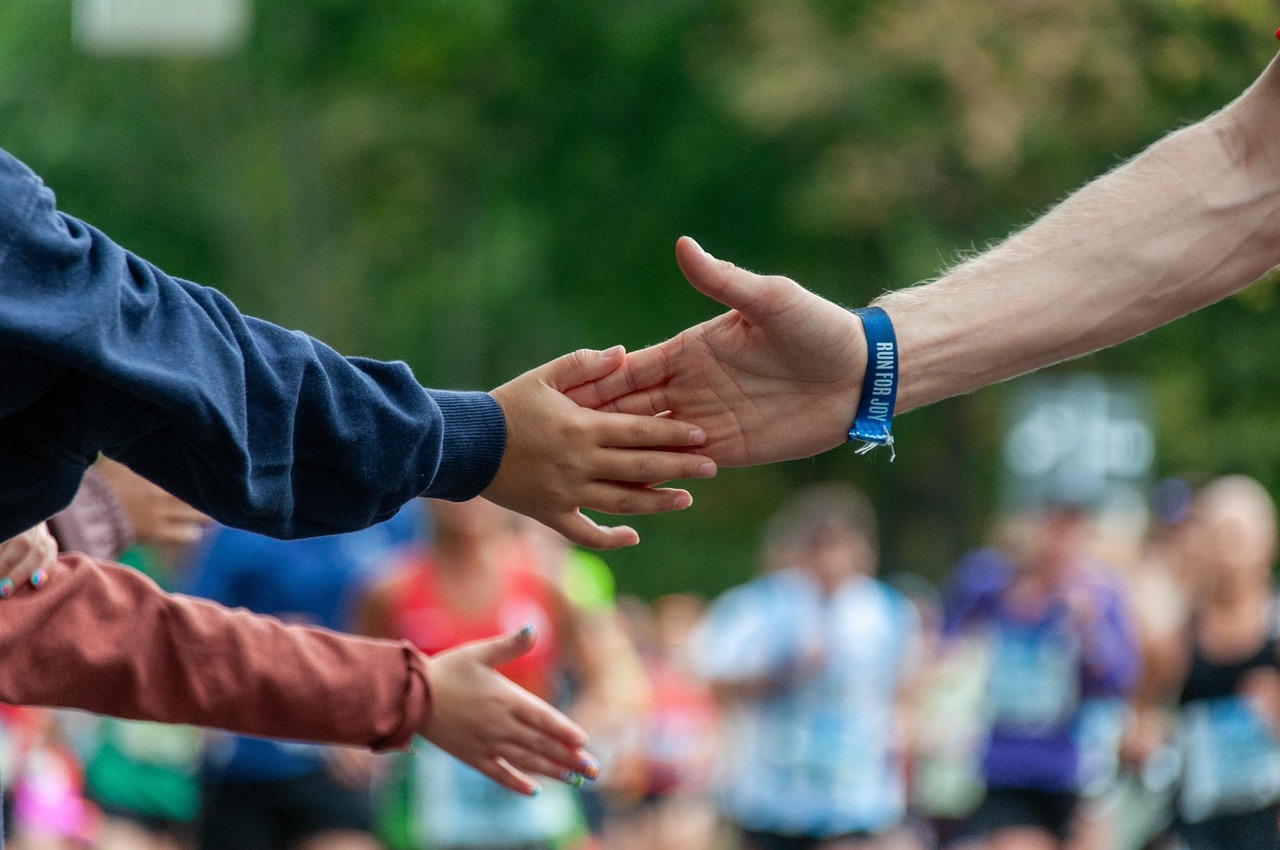

The Effect of Social Support on Athlete Motivation
The role of social support in enhancing athlete motivation is critical in today’s sports environment. Social support can manifest in many forms, including encouragement from coaches, family, friends, and teammates. This encouragement can foster a positive environment, which boosts an athlete’s confidence and determination. Research indicates that athletes with strong social networks tend to have higher motivation levels and better performance outcomes. This support not only improves mental resilience but also enhances the overall experience in sports. Supportive relationships can help athletes navigate the highs and lows of competition. The motivation derived from external sources, such as cheering fans and supportive teammates, can lead to an increase in effort and persistence during challenging situations. When athletes feel valued and understood, it helps them set ambitious goals and work diligently to achieve those goals. Thus, recognizing the importance of social connections, coaches and sports psychologists focus on developing strong relationships within teams to promote athlete success. Consequently, the interplay between motivation and social support creates a symbiotic relationship that benefits athletes throughout their careers.
Social support can significantly impact an athlete’s emotional state, which in turn affects their motivation. When athletes experience challenges, having a support system can lessen the emotional burden. The recognition that others are rooting for them can inspire them to push through difficult circumstances and maintain their enthusiasm. This emotional uplift is vital, as motivation can often wane due to various pressures, including competition stress or personal challenges. Support from others serves as a reminder of the individual’s passion for the sport, facilitating a return to intrinsic motivation. Coaches play a pivotal role in cultivating this emotional support, ensuring that athletes feel connected and understood. Additionally, teammates who share experiences can create an environment of solidarity and collective motivation, reinforcing commitment to goals. The emotional benefits also extend to a healthier mindset and stress management; thus, when athletes feel supported, their motivation may increase, leading to greater tenacity in training and competition. Consequently, fostering these emotional connections is essential for athletes to sustain motivation, enhancing their overall performance in sports.
Types of Social Support
There are several types of social support that can influence athlete motivation. Emotional support involves providing empathy, care, and reassurance to athletes during their struggles. This can be achieved through open communication, which helps athletes feel valued and connected. On the other hand, informational support provides practical advice and guidance, essential for refining techniques or strategies. Coaches typically deliver this support through constructive feedback, enhancing athletes’ skills and confidence. Instrumental support encompasses tangible forms, such as providing transportation or facilitating training opportunities that directly aid athletes in achieving their goals. Furthermore, the importance of appraisal support cannot be overlooked; this type involves validation and recognition of an athlete’s efforts and accomplishments. Such feedback contributes to the athlete’s self-perception and fuels their desire to succeed. Overall, a combination of these supportive interactions helps create an environment rich in motivation. By ensuring that diverse forms of social support are present, the likelihood of successful goal achievement increases, ultimately benefiting athletes throughout their careers.
The influence of social support on athlete motivation can also be observed in team settings. In team sports, camaraderie plays a significant role in encouraging individual and collective motivation. The interdependence among teammates creates a shared sense of purpose where athletes motivate each other through collective success. This can lead to increased accountability and push athletes to raise their performance levels, knowing their efforts impact the entire team. As athletes work towards common goals, their social bonds strengthen, fostering an environment conducive to high motivation. The competitive atmosphere within teams spurs athletes to strive for excellence, as the support from teammates during both wins and losses cultivates resilience. Moreover, social gatherings outside training can further enhance this bond, leading to deeper friendships and trust that translates into better performance. Celebrating achievements together reinforces shared goals, allowing athletes to draw motivation from one another. Thus, the interconnected nature of social support in teams illustrates its critical role in shaping athletic motivation and ensuring long-term success in competitive environments.
Challenges to Social Support
Despite the numerous benefits of social support, challenges can impede its effectiveness on athlete motivation. Not all athletes may experience the social support they need, leading to feelings of isolation. This lack of social connections can decrease motivation and result in lower performance levels. Some athletes may also struggle with differing personality traits; introverted athletes may find it challenging to seek support from others, while extroverted individuals might thrive in supportive environments. Additionally, the pressure to perform can create tension within teams if not managed appropriately, leading to competitive rivalry rather than collaboration. This divide can negate the positive effects of support and diminish motivation. Coaches often face the challenge of balancing competition and camaraderie to ensure that athletes feel collectively supported. Miscommunication can also arise among team members, which can further undermine the goal of fostering an encouraging atmosphere. Therefore, addressing these challenges is fundamental. Creating a culture of open dialogue, trust, and inclusiveness is key to ensuring that social support effectively motivates athletes.
The role of family in providing social support for athletes is equally crucial. Family members act as an essential support system, offering both emotional backing and practical assistance. The encouragement from parents and siblings can enhance an athlete’s motivation significantly, fostering a positive outlook during competitions. When family members demonstrate interest in an athlete’s endeavors, it reinforces their commitment to achieving set goals. Furthermore, family events or gatherings can serve as a source of motivation and inspiration that reaffirms the athlete’s passion for sports. Effective communication within families ensures that athletes feel understood and valued, which contributes to their overall mental state. However, families can also inadvertently pressure athletes by setting high expectations, which can be a double-edged sword. Finding a balance between encouragement and pressure is necessary for optimal motivation. It is essential for both athletes and family members to openly discuss feelings and concerns about performance, ensuring that emotional support remains constructive. By fostering healthy relationships, the positive influence of family support can significantly enhance an athlete’s motivation and commitment.
Conclusion: The Power of Social Support
Social support is undeniably a powerful factor impacting athlete motivation across various levels of competition. By fostering positive relationships, athletes can learn to harness encouragement from coaches and teammates, translating it into heightened motivation. As explored throughout this article, the types of support and the dynamics of social connections play a vital role in an athlete’s journey. A supportive environment can not only enhance performance but also ensure mental well-being. The intricate balance of emotional, informational, instrumental, and appraisal support creates a multifaceted framework for motivation that benefits athletes both on and off the field. Consequently, it becomes essential for coaches, family members, and teammates to actively participate in creating a supportive atmosphere. This approach promotes resilience and commitment toward personal and team goals. Understanding the significance of social support can lead to better training methods and improved athletic outcomes. In conclusion, prioritizing social support structures is crucial for any athlete aiming to achieve their highest potential, ensuring sustained motivation throughout their athletic career.
Further Reading
For more insights on the importance of social support in enhancing motivation, consider exploring relevant literature on sports psychology and human behavior. Numerous studies delve into the impact of social relationships and their psychological implications on athletes. Engaging with these resources can enrich understanding further, allowing for the application of these principles in practical settings. The connection between mental well-being and performance enhancements in athletes is an area that continues to gather attention in research and coaching contexts. For athletes seeking to maximize their potential, recognizing and utilizing social support systems can be a game-changer. Furthermore, forums and workshops focused on team dynamics can provide athletes and coaches with tools to build stronger networks. Research-based approaches to nurturing motivation can foster a more positive sports culture. Suggested readings include research articles and books focusing on motivation and interpersonal relationships in sports, providing deeper insights into establishing effective support systems. Exploring these elements can significantly benefit an athlete’s motivation and performance, creating lasting positive impacts in their athletic journey.