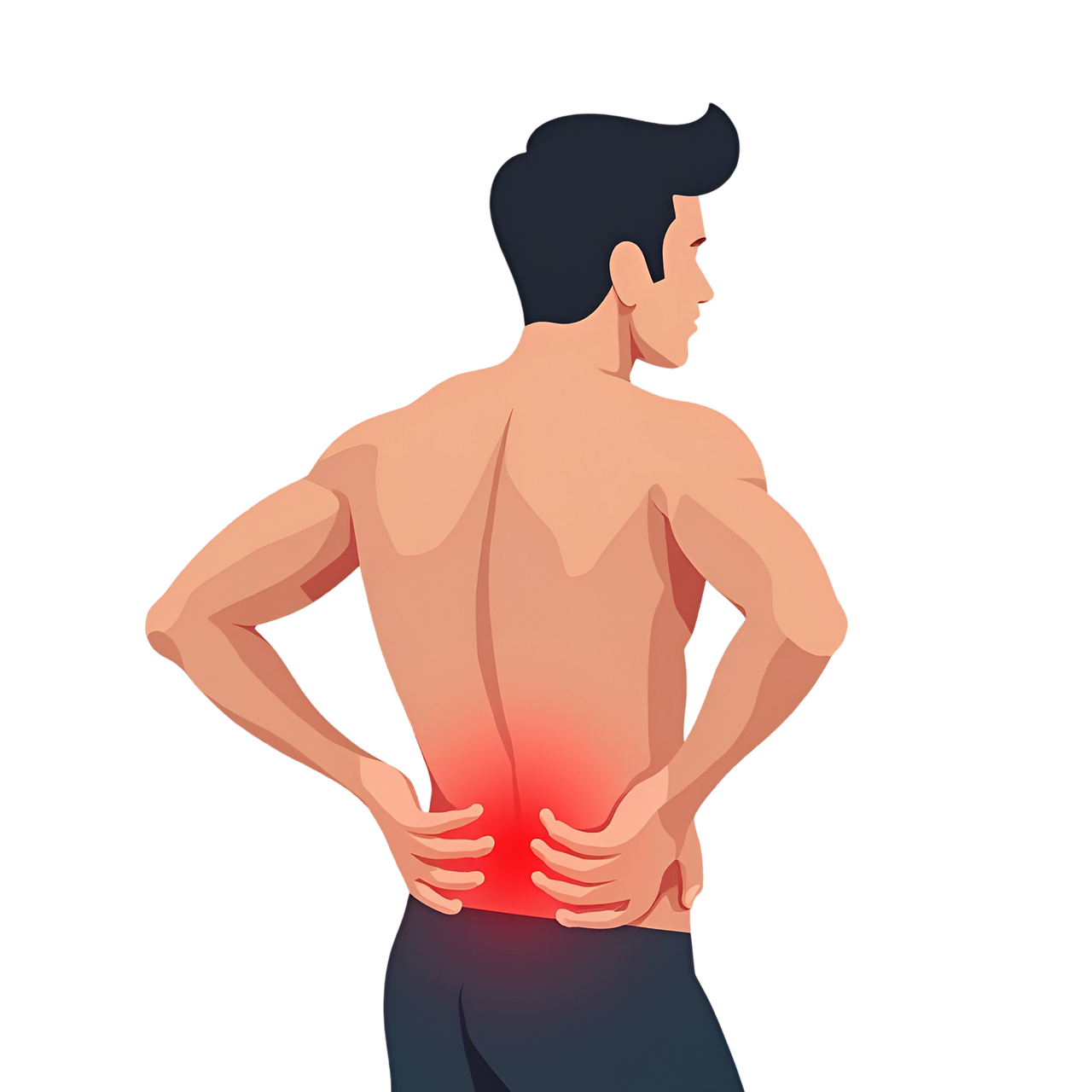

The Impact of Core Strength on Sitting Ergonomics
Core strength plays a crucial role in maintaining ergonomic sitting posture, influencing overall comfort, and reducing the risk of discomfort or injury. Having a strong core stabilizes the spine, promotes better alignment, and enables one to sit correctly for extended periods. A well-functioning core ensures the pelvis is aligned with the spine, allowing the back muscles to support the spine more effectively. When core strength is lacking, individuals may adopt poor sitting habits, leading to strain and fatigue. This can contribute to chronic issues such as lower back pain, neck pain, and even headaches. Investing time in core strengthening exercises, like planks or bridges, can significantly enhance sitting posture. Incorporating these exercises into a regular routine helps condition the muscles responsible for stabilizing posture. By strengthening the core, individuals can not only improve their sitting ergonomics but also enhance their overall health and well-being. Improving your core strength doesn’t necessarily require expensive gym equipment; simple bodyweight exercises or resistance bands can provide substantial benefits. Consider integrating core-focused workouts into your schedule for optimum benefits.
Understanding proper sitting ergonomics is essential for overall health, particularly for individuals who spend long hours at desks or in front of screens. A strong core is vital in maintaining an ergonomic position while seated. When you sit with an engaged core, you support your thoracic spine, which helps in keeping your shoulders aligned and preventing slumping. This alignment reduces the stress on the spinal discs and muscles, leading to better blood circulation. Strong abdominal and back muscles facilitate maintaining proper posture over time. Neglecting core training can contribute to weakness, resulting in slouched positions, which can exacerbate discomfort during prolonged sitting. Moreover, integrating dynamic movements can further enhance postural integrity while sitting. Focusing on deep abdominal exercises, like pelvic tilts, improves awareness of body mechanics. Encouraging proper breathing techniques can also aid core engagement, enhancing stability. Utilize reminders or specific cues throughout the day to consciously engage the core while sitting. Utilizing lumbar supports or ergonomic chairs can complement core-strengthening efforts. Therefore, balancing core workouts with good ergonomic practices is the key to achieving optimal comfort and posture.
Benefits of Core Strength for Sitting
The benefits of strong core muscles extend beyond aesthetics; they are crucial for effective sitting habits. A strong core protects the spine and pelvis by distributing weight evenly across the body. This distribution reduces strain, preventing potential injuries associated with long periods of sitting, such as herniated discs or muscle imbalances. Enhanced core stability means individuals can sit for extended periods without negative impacts on health. When core strength is integrated into the daily routine, productivity and focus improve as discomfort or pain related to poor posture diminishes. By reinforcing the core, individuals find fewer distractions from physical ailments, resulting in increased concentration on tasks at hand. Moreover, an engaged core promotes better oxygen and nutrient flow to vital organs. Simply engaging core muscles while seated helps stimulate the respiratory system, enhancing oxygen delivery to the brain, which can further improve cognitive function. Regular core workouts translate to better overall performance at work or school and contribute to long-term health. Considering all these factors, core strength counts as a vital aspect of ergonomics that shouldn’t be overlooked.
Another significant advantage of developing a well-rounded core strength regimen is how it facilitates movement efficiency. A strong core means improved stability and balance, which aids in various daily activities beyond sitting. It enhances movements like bending, lifting, or even just transitioning from sitting to standing. Efficient movement patterns can significantly reduce the risk of strain when changing positions or performing activities throughout the day. Establishing a routine that includes core-strengthening exercises also helps improve coordination. Exercises like side planks and Russian twists target different parts of the core, offering a comprehensive approach to strengthening. Moving through these exercises regularly ensures all muscle groups work in conjunction, promoting balanced development throughout the trunk. This balance ensures stability when in a seated position, translating to reduced soreness or fatigue. The incorporation of flexibility and mobility work alongside these core exercises creates a well-rounded approach to improving sitting ergonomics. Implementing stretches to ensure the hip flexors remain flexible complements any core workout routine. Together, these elements create an essential foundation for ensuring effective posture and sit comfortably.
Implementing Core Strength Exercises
To truly harness the benefits of core strength for improved sitting ergonomics, regular exercise sessions must be organized. Setting up a structured schedule encourages consistency and progressively enhances fitness levels. Begin with basic strengthening exercises that engage the entire core area, gradually increasing intensity through variations. Exercises like planks or bridges can be both implemented quickly without any equipment. For a more challenging workout, consider adding weighted exercises that require more effort from the core. Vary the workouts to ensure interest while preventing plateauing in muscle gains. It can be helpful to incorporate workouts into the daily routine by combining them with desk exercises or short breaks at work. On days with intense sitting commitments, consider integrating standing desks periodically to promote core engagement naturally. Active sitting options, such as stability balls or wobble cushions, also challenge the core muscles. It not only supports a stronger core but encourages certain engagement during long driving or at the computer. Engaging in disciplined practice and maintaining awareness of posture can exponentially contribute to ergonomic health.
Additionally, utilizing technology can aid in maintaining the proper posture and core strength while sitting. Wearable technology provides feedback on how often one sits correctly or offers reminders to engage the core periodically. Apps designed for postural awareness help track progress in core strength workouts, guiding users towards ergonomic excellence. This data can motivate individuals by illustrating improvements over time, which can be beneficial for long-term commitment to health. Another avenue is joining fitness classes focused on core strength, allowing for a social aspect to workouts. Group classes often provide accountability through collective motivation and encouragement. The structure provides professional guidance to help understand the right techniques and prevent injuries during workouts. Community support can enhance adherence to core programs, thus fostering relationships with other health-minded individuals. Similar attention must also extend to work environments, encouraging management to implement ergonomic evaluations, emphasizing the importance of core strength, and its role in comprehensive wellness. Establishing these practices creates a culture that celebrates physical well-being.
Conclusion: Emphasizing Core Strength and Posture
In conclusion, core strength is fundamental for effective sitting ergonomics, essential for upholding health and reduce workplace discomfort. A strong core boosts postural stability, enabling individuals to sit properly for long periods safely. Good posture, facilitated by a robust core, effectively mitigates risks associated with prolonged sitting, promoting overall well-being. As more individuals spend time at desks, they must prioritize core strength training alongside ergonomic practices. Comprehensive wellness can be attained through a blend of consistent core exercises, smart workstation adjustments, and conscious awareness of body positions. These strategies collectively forge a sustainable habit of good posture and robust core enhancement. As individuals become more engaged in wellness practices, productivity and overall function improve, creating a positive feedback loop for continued motivation. Investing in core strength is an investment in long-term health, allowing for optimized daily performance. Anyone can achieve enhanced comfort and health by incorporating manageable changes into daily routines. Therefore, prioritize core strength as a key component in achieving better posture, comfort, and productivity in all aspects of life.
In summary, the integration of core strength into daily routines significantly impacts sitting ergonomics and overall health. Proper posture depends on a durable core that supports alignment and stability. Seek to improve core strength through strategic exercises and conscious sitting habits for optimal comfort. Engaging in practices that reinforce awareness of proper posture will lead to better long-term health outcomes. By focusing on core strengthening, individuals can reduce discomfort, boost productivity, and achieve overall physical well-being. Ergonomics enhances comfort in daily activities while improving performance.