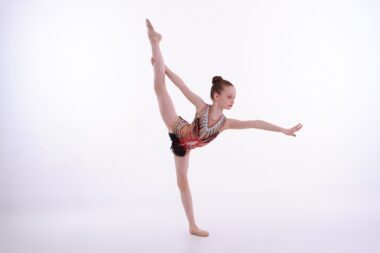

Balancing Act: Dance Aerobics Tips for Beginners
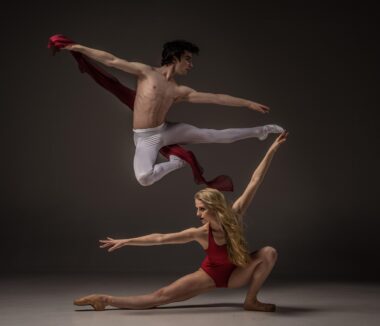
Dance aerobics is an excellent way for beginners to improve their overall balance and coordination. This energetic form of exercise integrates dance movements with aerobic activity, making workouts enjoyable while promoting physical benefits. To start, it is essential to warm up properly. Dedicate at least 10 minutes to stretch your muscles, focus on areas like your legs, arms, and core. Incorporate dynamic movements that mimic any dance steps you might perform throughout the session to enhance flexibility. Next, choose a space sufficient for movement. Ensure you have enough room to both dance and balance without the risk of injury. Consider using a mirror to observe your posture and movements, making it easier to correct your stance. Alongside regular practice, start with simple steps. Focus on learning foundational moves like basic side to side steps or rhythm matches. Technique should be emphasized over intensity in your initial sessions. Once comfortable, gradually increase your speed and complexity, allowing your body to adapt efficiently and surely progress. Always listen to your body; if fatigued, take breaks to avoid injuries and keep your spirit high while making it productive.
Understanding Techniques for Better Balance
Improving balance through dance aerobics requires understanding techniques to stabilize your movements effectively. Begin with grounding exercises that help you connect with the floor. Stand with your feet slightly apart and shift your weight from side to side. This exercise encourages awareness of body position and builds innate core strength. Next, incorporate rotational movements into your repertoire. Simple turns while keeping your center of gravity in check can help to enhance coordination and fluidity. Adding in arm movements during these turns aids in further engaging your core without compromising balance. Try experimenting with different tempos during classes. Slower tempos allow you to focus on each movement’s mechanics, while faster rhythms help to develop reaction time and agility. Additionally, pay attention to your core muscles, which play a crucial role in keeping your body stable. During movements, engage your core to maintain control. Always keep your knees slightly bent to prevent locking them, which can cause strain. Lastly, work on incorporating plyometric exercises such as jumps into your routine gradually. These actions challenge your balance further and develop your lower body strength.
As you begin dancing, pay attention to your feet. Foot placement significantly impacts balance, especially during intricate movements. Ensure that your feet are planted firmly as you progress through different dance steps. Try using props like a chair for support while practicing to build confidence in maintaining balance. After a few sessions, gradually remove the prop to challenge yourself more. Moreover, practicing dance movements regularly should include balance-stabilizing exercises. Specific exercises such as heel raises and toe stands can strengthen the muscles necessary for maintaining equilibrium. Also, try out different surfaces to dance on. Dancing on various terrains such as grass, hardwood, or carpet can present unique balance challenges, preparing your body for real-world situations. When dancing with a partner, you can enhance your balance skills through connection and feel. Use movements that involve close proximity while ensuring your partner maintains proper stance and support. Lastly, consider incorporating yoga or Pilates into your fitness routine. These practices focus primarily on core stability and flexibility, ultimately complementing your dance aerobics sessions and balancing skills. Continually challenge yourself while remembering that progress takes time and patience.
Incorporating Music and Rhythm
Music plays a fundamental role in the experience of dance aerobics. The right genres can positively influence your mood and energy levels, which enhances performance. Opt for upbeat songs that inspire movement; pop and dance music often encourages rhythm and flow. Create a personalized playlist that motivates you; having familiar tunes can promote a sense of freedom when dancing. Syncing your movements with the rhythm of the music significantly improves coordination, body awareness, and overall pleasure during your workouts. Explore different musical genres to discover what resonates, as this may help you find your unique dance style. As you progress, concentrate on synchronizing your breath with the beats. This practice improves not only your performance but also your stamina. Don’t hesitate to explore various dance styles, from Zumba to hip-hop, since each will highlight diverse coordination aspects while keeping workouts fresh. Incorporate regular practice of basic steps to your chosen music. Allow the natural flow of the songs to guide your movements, promoting a greater sense of connection to the rhythm. Remember, the key to success is enjoying these practice sessions while engaging in constant improvement throughout.
Consistency is critical for balance improvement through any form of dance aerobics. Establishing a regular workout schedule ensures you incorporate sufficient practice into your routine, allowing for gradual development of coordination and stability. Aim for at least three to five sessions weekly, tailoring the duration according to your fitness level and availability. Mix different styles of dance aerobics to keep things lively and avoid monotony. Focus on short-term goals to help you stay motivated. Set achievable milestones each week or month, like mastering a new dance style or learning a complex move. Celebrate your success, rewarding yourself for sticking to your plan, encouraging a sense of accomplishment and commitment. Furthermore, connect with others who enjoy dance aerobics. Sharing your experiences and progress with like-minded individuals can greatly enhance motivation as well as provide opportunities to learn from others and gain valuable tips. Keep a journal to document your workouts; this will allow you to reflect on progress and address any challenges. Tracking improvements, however minor, boosts morale and highlights areas needing further dedication. Integrate these habits into your routine, consistently leading to enhanced balance during dance aerobics.
Mindfulness in Dance
Integrating mindfulness into your dance aerobics practices can enhance focus and awareness, further improving your balance. Begin by being conscious of your breath; steady breathing not only aids in maintaining energy but also builds a deeper connection with your movements. Focus on becoming present at the moment rather than being distracted by external factors. Establishing a sense of calm amidst energetic movements is pivotal for developing balance over time. Visualize your movements clearly before executing them; this mental rehearsal sharpens body awareness, ensuring that your muscle memory grows more substantial. Practice self-encouragement, reminding yourself of your accomplishments, however small they may seem. Embrace mistakes as learning processes, shaping a resilient attitude for mastering new steps. Another important aspect of mindfulness is enjoying the journey; appreciate each practice as a chance to explore your unique dancing style while improving balance. As you become aware of the sensations in your body, take note of where tension builds, which may indicate areas requiring further focus or relaxation. Engaging in this mindful practice regularly creates an enjoyable dance aerobics environment, significantly contributing to overall success.
Lastly, understand the significance of recovery in your dance aerobics journey. Balancing work with appropriate rest is vital to overall improvement and injury prevention. Always listen to your body, respecting signals it sends. Ensure you maintain adequate hydration levels, as staying hydrated is crucial for optimal performance and recovery. Prioritize post-workout stretches to facilitate muscle recovery. Engage in relaxation techniques such as deep breathing or gentle yoga after dancing. Creating time for body awareness reduces tension and aids in reflecting on your fitness journey. Consider incorporating foam rolling into your routine; the recovery technique helps alleviate soreness from previous workouts while promoting enhanced flexibility. A balanced diet should accompany your workouts and recovery processes, offering the necessary nutrients to fuel your physical activities. Include a mix of protein, complex carbohydrates, and healthy fats to secure energy levels throughout your sessions. Monitor your progress and adjust your fitness plan when necessary to accommodate a balanced approach to dance aerobics. With dedication and adaptability, you’ll notice substantial advancements in both your balance and overall fitness through this exhilarating practice.
This is another paragraph with exactly 190 words…