
Freediving vs Scuba Diving: Pros and Cons
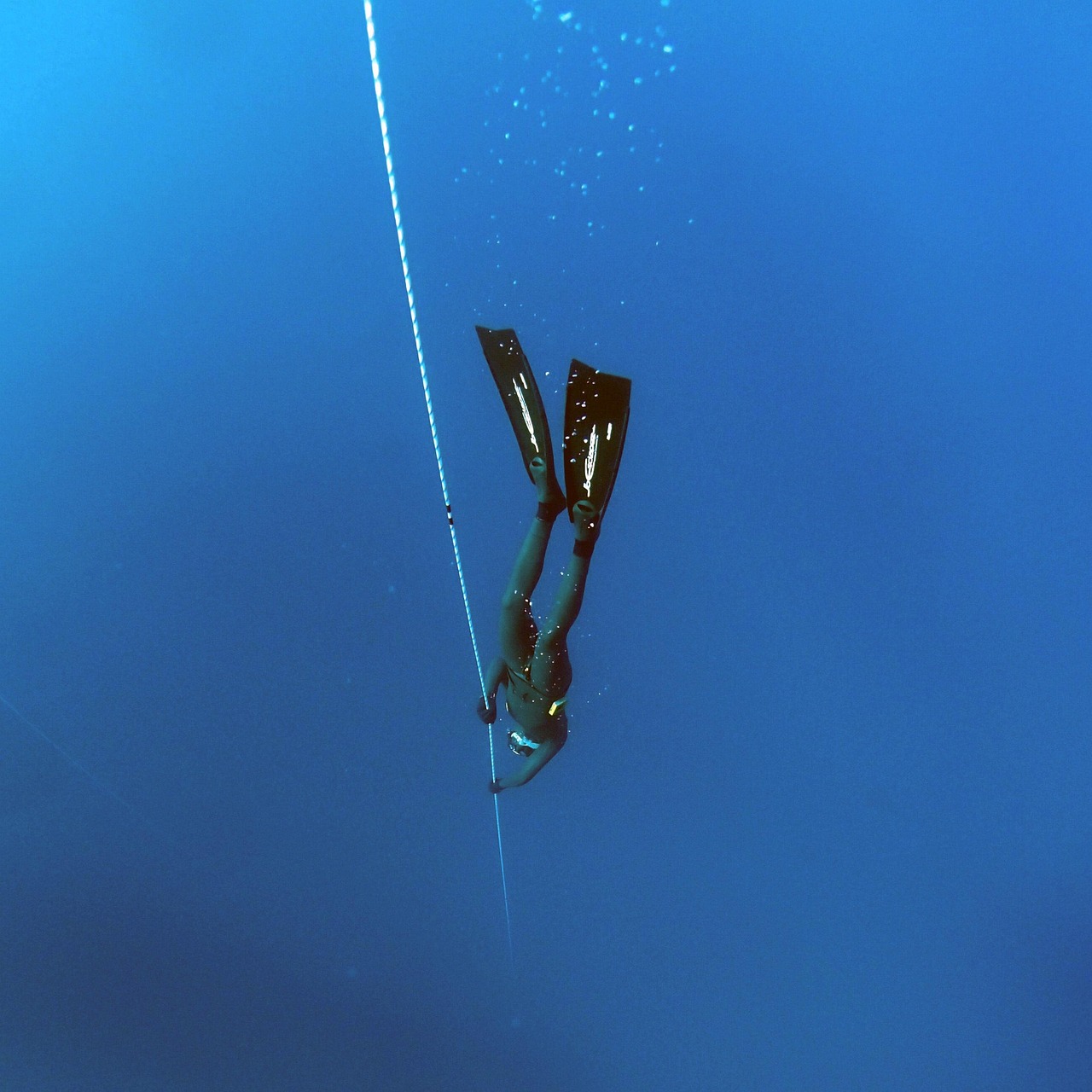
Freediving and scuba diving each offer unique experiences beneath the waves, catering to different preferences among water enthusiasts. Freediving, which emphasizes breath control and the art of diving without tanks, allows divers to connect closely with the underwater environment and observe marine life in their natural habitat. On the other hand, scuba diving requires additional equipment, including tanks and regulators, providing a different sense of security underwater. Despite the complexities of technology involved, scuba diving can often accommodate longer durations underwater, allowing for more exploration of stunning reefs and wrecks. Sport participants appreciate how each method offers its own thrill. For those seeking adventure, freediving increases the need for skill and awareness, while scuba diving provides a structured and guided environment to explore the depths. Additionally, one can engage in various recreational activities after either type of diving, such as underwater photography or marine conservation. Knowledge of safety requirements plays an important role, ensuring divers maintain good health practices and following guidelines. Each diving experience can profoundly impact your connection to the ocean, fostering a deep appreciation for marine ecosystems.
Understanding the differences between freediving and scuba diving is essential for anyone looking to explore the underwater world. Freediving is often seen as a more meditative and streamlined approach, allowing the diver to experience weightlessness and serenity while also challenging their limits. Through training, freedivers perfect techniques such as static breath-holding and dynamic apnea, ultimately promoting improved physical fitness and mental focus. Conversely, scuba diving allows individuals to venture further down with longer dive times, making it a favored choice for exploring caves or underwater formations. As divers prepare for their scuba adventures, they learn about equipment maintenance, dive planning, and decompression, ensuring safety and enjoyment. Notably, scuba diving schools offer certifications that further enhance an individual’s diving skill and troubleshooting abilities. Both approaches lend themselves to discovering awe-inspiring marine life, which can trigger a deep passion for underwater exploration. For some, the thrill of swimming with dolphins or discovering vibrant coral reefs can ignite lifelong interests. Ultimately, the decision between freediving and scuba diving will depend largely on one’s personal preferences, goals, and the level of commitment they are willing to invest.
Equipment and Preparation
When engaging in scuba diving, the equipment involved tends to be quite comprehensive. Scuba divers must understand and maintain various components, including masks, fins, wetsuits, and BCDs (buoyancy control devices). Proper equipment ensures that divers breathe safely while enjoying the underwater scenery. Training programs often focus on familiarizing divers with the technology required, emphasizing the importance of regular maintenance checks for safety. The costs associated with entering the scuba diving world may also be higher due to the equipment, certification lessons, and registration fees. In contrast, freediving focuses on a minimalist approach, requiring significantly less gear. A wetsuit, mask, and fins are often all that is necessary to thrive in the freediving environment. Freediving emphasizes training and physical conditioning, allowing individuals to develop their natural strength and technique without reliance on equipment. This difference impacts costs, as freedivers may spend less on gear and more on training courses. Both disciplines require learning about safety measures, though the approach taken by each diver remains distinctly represented through their chosen sport. Materials regarding preparation can be found through various online platforms for those looking to expand their knowledge.
Safety considerations are paramount in both freediving and scuba diving. While both sports can pose risks, the nature of those risks varies significantly. Freediving challenges individuals to master breath control and equalization techniques to minimize potential hazards while remaining mindful of their bodies’ limits. The potential for shallow water blackout and poor buoyancy control are critical concerns that highlight the importance of training and supervision when diving. Scuba diving introduces challenges such as understanding decompression sickness, which could result from ascending too quickly after a dive. This knowledge becomes vital when planning multiple dives during a trip. Learning proper ascent rates and emergency protocols is fundamental to keeping scuba divers safe. Additionally, effective communication techniques are crucial for both sports, enabling divers to signal issues to their partners underwater. Each sport promotes awareness of the unique hazards associated with diving, helping enthusiasts navigate potential dangers. Resources exist in the form of online courses and educational workshops that teach safety measures for each discipline. Ultimately, thorough preparation and respect for the water are essential in ensuring successful and enjoyable diving experiences.
Physical Fitness and Training
Physical fitness plays a significant role in the performance of both freedivers and scuba divers. Freedivers often rely heavily on their physical condition, as breath-hold diving requires improved lung capacity and cardiovascular fitness. Strength training, flexibility exercises, and aquatic workouts are beneficial methods for preparing for dynamic challenges. As freediving emphasizes endurance, practicing static and dynamic apnea can result in better overall performance and reduce the risk of injury. Additionally, mental clarity and psychological readiness are equally essential in freediving as divers confront their fears and improve their techniques. Scuba diving requires stamina but often relies more on the equipment. While divers need to be physically fit, they learn to manage buoyancy and optimize their gear to navigate effectively. Still, scuba diving courses frequently incorporate fitness assessments to ensure that participants meet health requirements. Hence, each discipline fosters distinct training methods; physical fitness is fundamental to succeeding in both sports. Engaging professionals and coaches can help aspiring divers optimize their training and improve their diving skills. Furthermore, friends can join in, resulting in social opportunities for students of each discipline.
The social atmosphere for both freediving and scuba diving varies significantly, shaping how enthusiasts connect with others who share a common passion. Freediving tends to create a close-knit community atmosphere, often encouraging solitary divers to immerse themselves in their personal journey. While freediving offers opportunities for team competitions and events, the overall experience may lead divers toward introspective moments. In contrast, scuba diving frequently involves larger groups during excursions, classes, and shared adventures, fostering a spirit of camaraderie among participants. Dive shops and resorts often host events that allow divers to socialize after their explorations, creating memorable shared experiences. Additionally, scuba diving necessitates team-building as divers rely on each other to maintain safety and manage underwater logistics. This dynamic can lead to lasting friendships, shared stories, and a sense of connectedness within the diving culture. Both disciplines offer pathways to building relationships and friendships, as members find joy in shared aquatic encounters. Therefore, the social aspects of diving contribute significantly to both sports’ appeal, attracting individuals from diverse backgrounds who want to explore the ocean’s depths together.
Conclusion and Recommendations
Ultimately, choosing between freediving and scuba diving depends on individual preferences, comfort levels, and diving objectives. Assignment includes assessing what aspects of underwater experiences are most appealing to the individual diver, whether it’s the simplicity of freediving or the technological sophistication of scuba diving. Each discipline offers unique advantages and challenges, allowing divers to discover the underwater world while enjoying sports that suit their skills and personality. For those who desire a serene, introspective experience, freediving may be the ideal choice. Conversely, adventurers seeking to explore deeper depths or engage with elaborate ecosystems may lean towards scuba diving. Both disciplines can lead to greater environmental awareness, promoting conservation efforts across marine habitats. Engaging in courses, workshops, and social events can enhance the overall diving experience, fostering knowledge, skill development, and connections with other enthusiasts. Regardless of the chosen path, embracing the ocean and its marine life ultimately serves to enrich an individual’s appreciation of the earth’s resources. Embrace the call of the sea and discover what lies beneath the surface.