
How to Adjust Gym Machines for Your Body Type
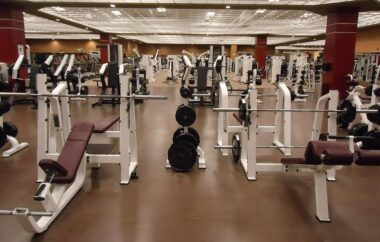
Adjusting gym machines correctly is essential for effective and safe workouts. Your body type significantly influences how you should position the machines to optimize your exercise routine. Start by identifying your height, weight, and limb proportions. Once you know these measurements, approach the machine and review its adjustment settings. Most machines have clear markers to help with settings for seat height, leg position, and ranges of motion. Remember, the seat should allow for comfortable access to handles and weights. Your knees should align properly with any pivot points of the machine. Additionally, ensure your back is supported and your joints aren’t stressed. When using machines like leg press or chest press, proper alignment increases the efficiency of each rep while reducing injury risks. Always make gradual changes and take time to test the machine adjustments. Utilize mirrors or ask a trainer for feedback on your form. Moreover, regular adjustments may be necessary as your body strength evolves. Listening to your body will guide you in making necessary modifications as you progress through your strength training journey.
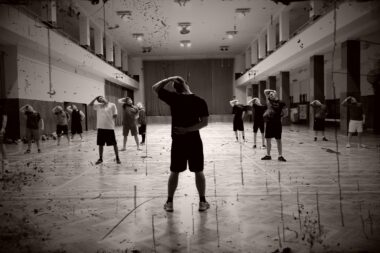
Once you’ve made initial adjustments, it’s equally vital to warm up before diving into your workout. A thorough warm-up helps to prepare your muscles and joints for the upcoming strain and can reduce the risk of injury. Before using machines, consider spending at least 5-10 minutes on a cardio machine to increase your heart rate. Simple dynamic stretches targeting your primary muscles are highly recommended. These movements elevate blood flow and enhance your flexibility. Focus on actions like arm circles, leg swings, and torso twists. When you are ready to start strength training, use lighter weights initially to practice your form. Gradually increase the weights while maintaining proper form. If possible, record videos to observe your posture and movements. This objective perspective can reveal misalignments that you may overlook. Further, prioritize breathing: exhale during exertion and inhale during the release. Consistency in your technique will significantly influence your muscle gains. Make sure to keep hydrated throughout your workout and take breaks whenever necessary. A well-prepared body leads to better performance and results.
Importance of Machine Adjustments
Understanding the importance of gym machine adjustments cannot be overstated. Proper settings not only enhance your training efficiency but also help prevent injuries. Each machine is designed with specific calibrations based on an average body type; adjusting these settings tailors the equipment to fit you. This customization ensures that you engage the targeted muscle groups effectively without placing undue stress on surrounding joints and ligaments. Poorly adjusted machines can lead to improper form, which increases the likelihood of strains or sprains. A crucial aspect of adjustments is ensuring that the seat height is set in a way that optimizes your range of motion. For instance, if a leg extension machine seat is too low, you may not fully articulate the joint or engage the quadriceps effectively. In contrast, a seat set too high can cause strain on other areas, such as your hips. Additionally, consider that every exercise machine comes with its unique adjustment aspects, be it resistance bands or pulley mechanisms. Understanding these will aid in maximizing your workout potential.
Moreover, individualized machine adjustments help create a comfortable workout experience. Discomfort while training can significantly hinder your motivation and performance; making sure that machines are aligned to your body type helps you maintain focus on your goals. When machines fit well, they allow for smooth movements, making it easier to push through workouts and achieve your strength training objectives. For beginners, seeking guidance from gym instructors is highly advisable. They can demonstrate how to identify correct settings and adjust machinery to suit various body types and workout intentions. Additionally, observe other gym-goers who adjust machines skillfully. Mimicking their actions can help you learn quicker. If you are still unsure about how to set the equipment, don’t hesitate to ask another gym member or trainer. Taking advantage of available resources will help you avoid unnecessary strain or injury. In addition to maintaining proper adjustments throughout your workout, remember to regularly evaluate your settings as your fitness level evolves. As you grow stronger, machine adjustments will remain a vital part of effective strength training.
Safety First
Ensuring safety in your strength training regimen is paramount. One key aspect of safety is understanding the machine’s limits and your own limits. Using machines that are not adjusted correctly can lead to accidents, from losing balance to more severe injuries. As you adjust the settings, pay attention to how the machine responds with your new configuration. Ensure that the weights are secure and properly fitted before starting your session. It can be helpful to do a trial run with lighter weights to confirm the adjustments before moving on to heavier loads. Practicing mindful movements can also promote safety; this means maintaining concentration throughout your repetitions, managing your speed, and controlling your body’s positioning. Fatigue can lead to form breakdown, increasing injury risks, so be conscious of your energy levels. Furthermore, it’s wise to familiarize yourself with the emergency stop mechanisms and guidelines for each machine. Doing so ensures that even if things go wrong, you can quickly react. Remember, strength training is an essential part of fitness, but safety is the priority above all.
Additionally, incorporating a variety of exercises into your routine can improve overall strength, reducing risks of injuries due to repetitive motion. Strength training should not be limited to a few muscle groups or machines. Instead, mix in free weights, cable machines, and body-weight exercises to create balanced workouts that enhance muscle engagement and promote overall fitness. Balance is crucial for a sustainable training regimen. Make sure to alternate workouts focusing on different parts of your body, allowing time for recovery in between. Recovery is a key component of muscle growth, so don’t skip it. When training a muscle group, allow at least 48 hours before targeting that area again. To track your progress, maintain a log detailing adjustments made, workouts performed, and improvements noticed. This documentation will shed light on what types of adjustments have benefited your training and which areas may need more focus. Incorporating feedback loops can assist in fine-tuning your training approach. Successful strength training depends on understanding your unique needs, perfecting your machine use, and safely pushing your abilities.
Conclusion
In conclusion, adjusting gym machines according to your body type is essential for achieving effective and safe workouts. The importance of finding the right fit cannot be overstated. Tailoring machine adjustments creates a personalized fitness experience that enhances results. From ensuring proper seat height to managing weight resistance, every small adjustment counts toward maximizing efficiency during your strength workouts. Moreover, engaging in proper warm-ups, safe practice habits, and varied routines contributes greatly to a holistic fitness approach. Seek guidance whenever needed. Initially, taking the time to learn how to adjust machines correctly will cultivate a solid foundation for your strength training journey. Remember that fitness is not a race; it is a continual process of improvement. Safety and injury prevention should remain your top priorities while training. Celebrate your progress, regardless of how small. Stay dedicated to checking and re-checking machine settings as your fitness evolves. This attention to detail can provide significant benefits. Create a comfortable, enjoyable, and effective training environment through consistent adjustments and ongoing self-assessment.
Get ready to elevate your fitness performance by mastering how to adjust gym machines tailored to your body type. A well-adjusted machine supports your lifting technique and promotes effective muscle engagement, leading to improved results in strength gains. Take your time to familiarize yourself with the equipment available in your gym. Knowledge is power; understanding the machine structures and functionalities will greatly enable you to navigate quickly through your workout routine. Don’t shy away from experimentation — make adjustments, take note of sensations, and seek out optimal setups. Use gym mirrors or invite a workout buddy for support. Consider creating a checklist of steps to remember adjustment protocols, particularly on complex machines. This practice can help ease anxiety for beginners faced with unfamiliar machinery. Whether you are a seasoned athlete or just starting, mastering adjustments will benefit your training journey significantly. As you become more skilled at adjustments and machine utilization, you can shift your focus towards advancing your training and achieving greater strength levels. Stay dedicated to your goals, remain open to improvements, and you’ll find success in your fitness journey ahead.