
Incorporating Balance Challenges into Your Yoga Flow
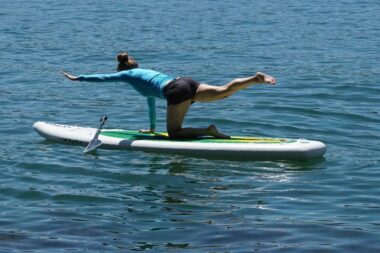
Balance training is an essential part of any fitness regimen, especially in yoga practices. Incorporating balance challenges into your flow not only enhances physical stability but also improves concentration and body awareness. Practicing balance poses like Tree Pose or Warrior III can transform your yoga session into a rigorous workout. As you learn to engage your core and maintain equilibrium, you will notice improved flexibility and strength. Begin by choosing a few foundational postures, which will allow you to develop your balance gradually. Start slowly and align your mind and body. Set realistic expectations as it takes time to master balance. Utilize props like blocks or straps to facilitate support. Once you feel more confident, experiment with additional challenges that lead to deeper engagement and cardiovascular health. Combining strength-building exercises with balance poses can greatly enhance your overall capability. Furthermore, ensure to include a variety of poses that challenge different aspects of balance and stability, which leads to a more balanced practice. By integrating these techniques, you create a dynamic and fulfilling yoga experience. Don’t hesitate, start today and witness improvements through consistent practice.
Before diving into advanced balance tasks, it is vital to establish a solid foundation of basic poses. Basic poses help in understanding the mechanics of balance while also increasing confidence. Prioritize stability poses like Mountain Pose, where you learn to ground your feet, engaging the muscular strength of your legs. Practicing Mountain Pose can enhance your awareness of posture and breathing techniques. Engaging your core while maintaining ground is crucial. Additionally, you can challenge your focus further by closing your eyes during these poses. This added layer of challenge can help identify weaknesses in your balance. Exercises such as Pigeon Pose and Bridge enhance flexibility, which is equally important for balancing activities. Incorporating these foundational poses into your routine serves two primary purposes: developing muscle memory and improving focus. Pairing breath with each pose facilitates better transitions between each balance challenge. As you master these movements, you’ll be ready to tackle intermediate poses that incorporate more dynamic motion. Remember to pay attention to your body alignment as improper form can lead to injury. Cultivating mindfulness through the breath helps to ground your practice and brings awareness to both body and mind.
Progressing to Advanced Balance Poses
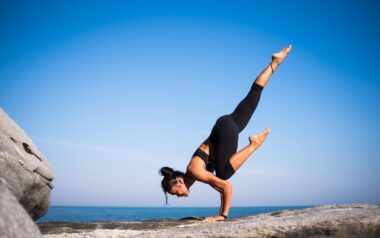
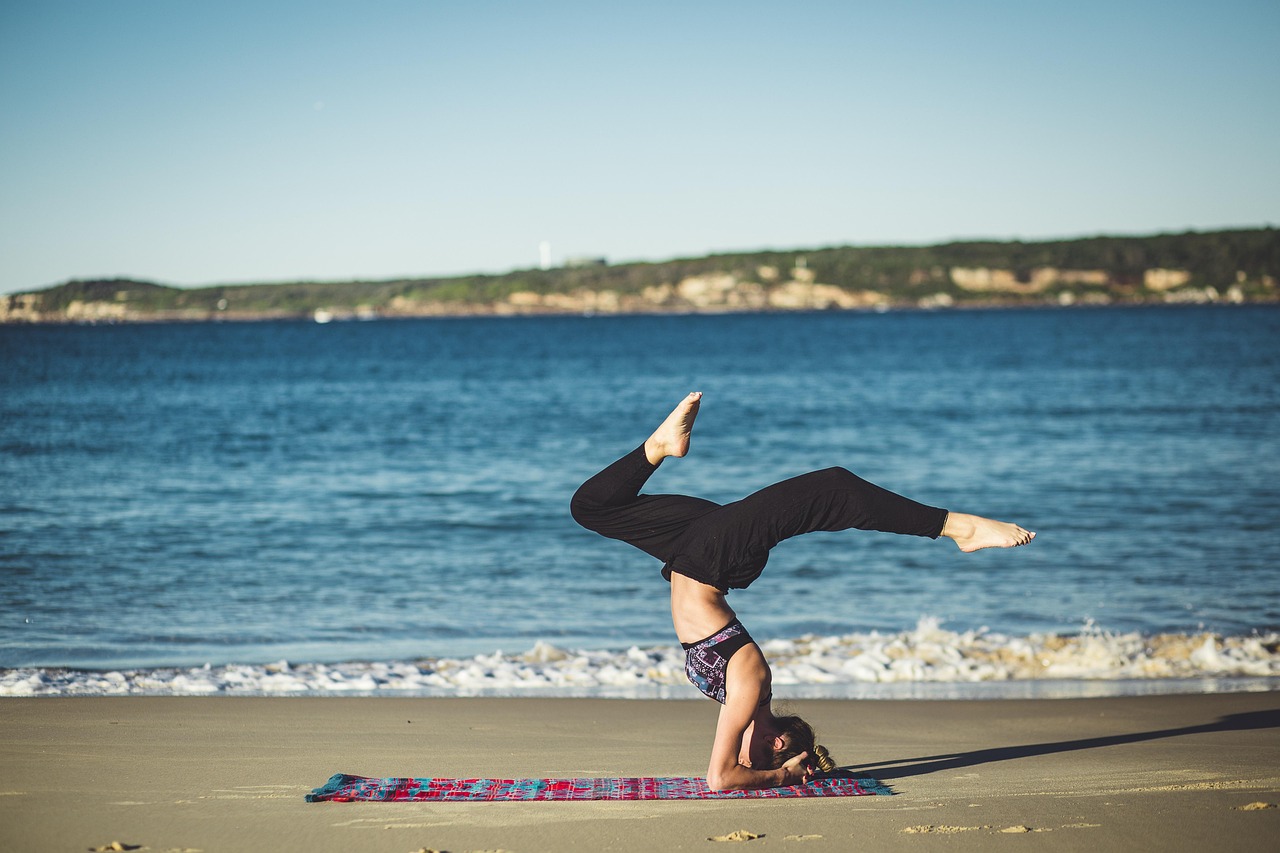
As you grow more confident in your balance practices, it’s time to introduce more advanced poses to your flow. Advanced poses such as Crow Pose or Handstand will significantly challenge your strength and coordination. Begin by incorporating strength-building exercises like Planks and Chaturangas to prepare for the demands of these advanced poses. Utilizing core strength and coordination becomes critical, so focus on engaging your abdominal muscles. Always take the time to warm up your body adequately, as flexibility is essential for safely entering these poses. Implementing preparatory postures such as Downward Dog or Forward Fold can help prepare your muscles for the challenge ahead. Aim to build strength progressively within each pose, ensuring you are ready to attempt an inversion. Practice variations of Crow Pose or even forearm stands, which can provide different challenges that cater to your physical capabilities. Always listen to your body during this process. When you first approach these poses, have support nearby. If needed, use a wall or partner to assist with balance initially. Gradually decrease reliance on these supports as your confidence and strength develop. Consistency is key, and with practice, you will find yourself progressing toward your goals.
Breathing techniques are pivotal in enhancing balance during yoga flows. Focusing on breathwork can significantly ground your practice. As you progress into more challenging poses, utilize controlled breathing to improve focus and reduce anxiety. Try to engage in diaphragmatic breathing before entering each pose; taking deep breaths helps stabilize your body. Practice inhaling to prepare for balance and exhaling while entering the pose. This rhythmic approach allows your body to enhance mobility and engagement during static poses. Incorporating breath awareness aligns the mind with your physical actions. Being present with your breath helps alleviate distractions that may impact your balance. When performing challenging balance poses, refrain from holding your breath; instead, sync each movement with a breath. Engaging in this form of mindfulness allows you to cultivate stronger concentration in the moment. Moreover, consider integrating a “drishti,” or focal point, in each pose as an anchor to enhance your focus and awareness. This observation further elevates your practice and minimizes distractions. By weaving these techniques into your yoga flow, you promote a balanced body and mind, enriching your overall experience.
Emphasizing Safety During Balance Training
Safety should always be at the forefront when trying out balance challenges in yoga. Understand your limitations and practice caution as you advance through different poses. It’s advisable to practice these poses in a safe and cozy environment—preferably with adequate space to catch yourself if you fall. Utilizing a yoga mat designed for grip helps reduce the risk of slipping during challenging balances. Consider selecting a space with surrounding furniture or bolsters; this provides an extra layer of support during your practice. It’s crucial to listen to your body’s signals. If you’re fatigued or unable to maintain a pose, take a step back. Overexertion can lead to injuries that halt your progress. To minimize risks, always warm up with foundational poses and stretch properly. A regular warm-up prepares your muscles for effort, aiding in overall fitness and balance. It’s also beneficial to know how to safely exit out of difficult poses. Practicing fall techniques can prepare you for potential falls instead of risking injury. Knowing your boundaries ensures a secure practice space while cultivating trust in your capabilities.
Integrating balance elements into your yoga flows provides numerous benefits beyond physical fitness. Enhanced balance contributes to overall coordination and stability, essential in daily life. Improved body awareness enables you to engage correctly, reducing the risk of injury in various activities. Additionally, a well-rounded balance practice aids in muscle tone and strength that translates into improved athletic performance. Incorporating balance training into your routine equips you with tools to manage stress while honing your mental focus. This improved concentration not only benefits your yoga practice but also has positive effects off the mat. Working on balance encourages resilience and perseverance as it often requires repeated attempts to master challenging poses. Remember that the growth from challenges builds confidence in your abilities. As you continuously improve, you’ll find a deeper connection within yourself and your practice. Moreover, encouraging balance exercises cultivates a sense of empowerment. As you achieve new milestones, you celebrate both physical and mental achievements. Through incorporation of balanced techniques, you create a fulfilling routine that is both invigorating and sustainable. Embrace the challenges and watch your yoga practice flourish.
Conclusion: The Journey of Balancing in Yoga
The journey of incorporating balance challenges into your yoga flow can greatly enhance your yoga practice. Balance not only reflects physical prowess but also embodies mental clarity and focus. With consistent practice, you will undoubtedly witness growth in both performance and awareness. As you navigate through challenges in balance poses, appreciation for each small victory unfolds. Cultivating patience during this process is vital; each person progresses at their own pace. Aim to maintain flexibility and open-mindedness in your practice, knowing that mastery requires time. Remember that balance training is multifaceted, including mental and emotional aspects that contribute to a holistic approach in yoga. Therefore, keep challenging yourself by progressively integrating more diverse poses over time. Embrace your individual journey and acknowledge improvements you see in your fitness levels and overall quality of life. Surrounding yourself with a supportive yoga community can foster motivation and inspiration. Engage with instructors that challenge you further while also providing safety and support. Moreover, use this time to share experiences with fellow practitioners, promoting a shared love of practice. Ultimately, balance training will lead to a more enriched and fulfilling yoga experience in your journey.