
Strength Training Challenge: Partner Workouts for Strength and Fun
Strength training can be more effective and enjoyable when done with a partner. Partner workouts introduce a fun element while pushing each other to achieve greater strength. You and your partner can perform various exercises that focus on different muscle groups. Consider incorporating both compound and isolation movements into your routine. Examples include squats, deadlifts, bench presses, and lunges. Strength training challenges with a partner not only foster collaboration but also ensure accountability. You can challenge each other with competitive sets, timed workouts, or resistance bands. Make sure to communicate clearly about your fitness levels and limits. It’s essential that both participants feel comfortable and motivated to push their boundaries safely. When designing your workout plan, allocate time for warm-ups, strength exercises, and cool-down stretches. This comprehensive approach will minimize the risk of injury while maximizing performance. You can set mutual fitness goals and track progress together, reinforcing your commitment to the challenge ahead. Remember, consistency is key. Stick with your partner throughout the training, and make adjustments as needed for overall improvement.
Types of Partner Strength Training Exercises
Engaging in partner workouts involves various strength training exercises that can be performed together. Here are some excellent choices:
- Partner Squats: Stand facing your partner, grasp each other’s wrists, and squat while pulling against each other’s resistance.
- Chest Pass: Use a medicine ball to pass back and forth while in a squat position, incorporating agility and strength.
- Deadlifts: Use resistance bands; each partner stands on opposing ends and performs deadlifts to build strength.
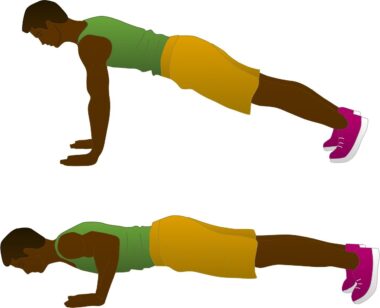
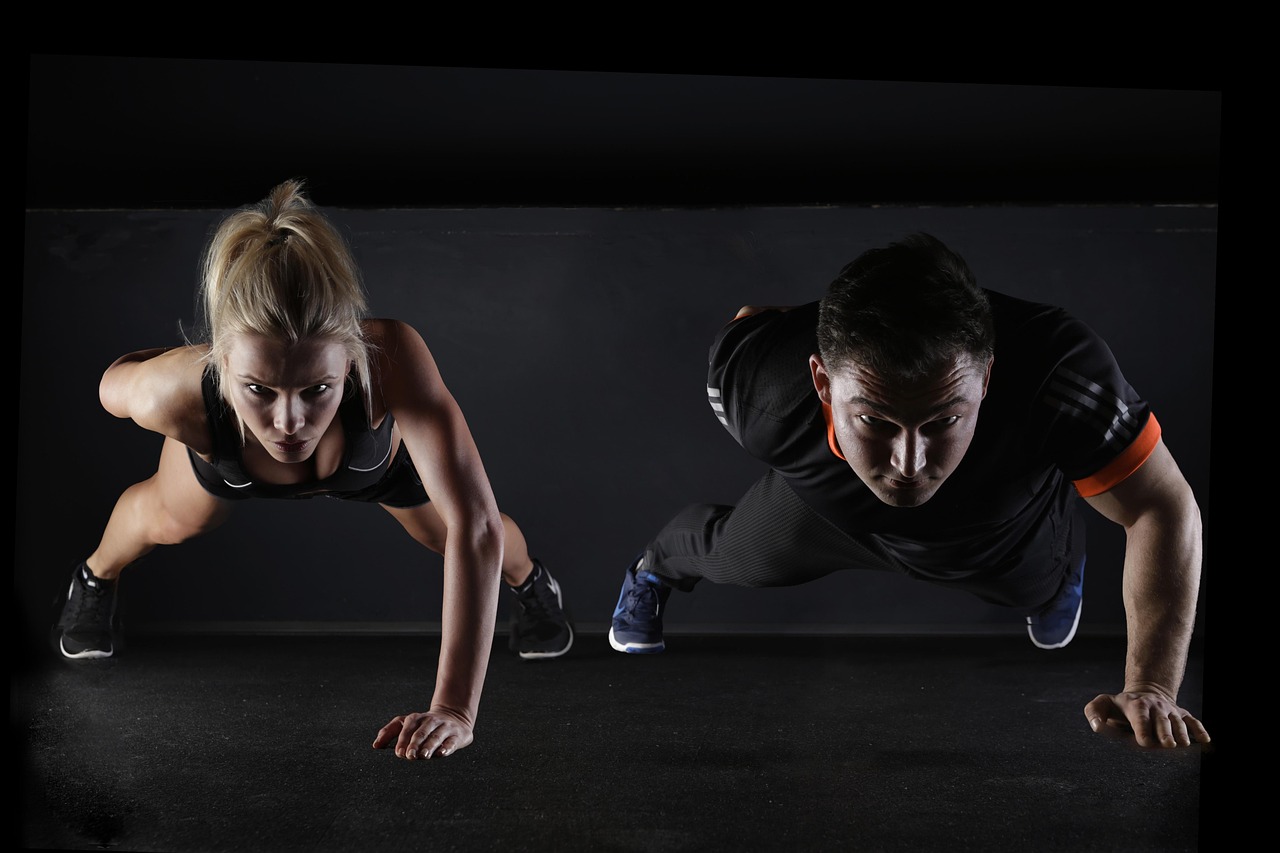
- Partner Push-ups: Face each other; one partner does a push-up while the other holds their legs for stability and resistance.
- Resistance Band Rows: Stand back-to-back and take turns rowing against an elastic resistance band, creating a fun challenge.
These exercises promote strength and coordination and create an engaging workout atmosphere. Always maintain proper form and communicate openly about your physical capabilities to ensure safety and effectiveness. Switching roles or exercises can keep the workout dynamic and fresh for both participants.
Moreover, incorporating variety into your partner strength training routine can prevent boredom and enhance your experiences. Different exercises target muscle groups in diverse ways, making each session a new challenge. Be open to experimenting with various equipment available at the gym or perhaps using items you have at home. Dumbbells, kettlebells, resistance bands, or even bodyweight exercises can create challenging workouts. Focus on both upper and lower body strength as well as core engagement during sessions. Additionally, challenge each other with timed circuits or mini-competitions to maintain motivation. Keeping track of how many repetitions each partner can do for specific exercises can foster a healthy competitive spirit. This will encourage you both to improve over time and reach your personal bests. Celebrating small victories along the way can also enhance motivation and create a strong bond between workout partners. Make sure to periodically review your results to assess improvements, modify your workouts, and celebrate your achievements. This will help maintain the excitement and dedication needed for successful strength training.
Setting Goals and Measuring Progress
Establishing clear goals for your partner workouts can significantly enhance motivation and provide structure. Discuss the objectives with your workout partner to ensure you’re both on the same page. Goals may revolve around increasing strength in specific lifts, enhancing endurance, or achieving weight loss targets. Consider setting short-term, measurable objectives alongside long-term aspirations for effective tracking. You may want to schedule regular assessments to check on each other’s progress, such as comparing rep counts or weights lifted. This accountability encourages both participants to remain committed and gives an opportunity to celebrate successes together. Embrace challenges and overcome plateaus by modifying your training techniques or aiming for personal records. Remember to document your progress consistently to monitor changes. By using a workout journal or an app, you can track your workout routines and measure strength gains. Recording various exercises performed, weights used, and rest periods taken allows easy analysis of what works best for both partners. This way, you can effectively strengthen your partnership, making workouts not only about improving strength but also building a meaningful friendship.
It’s also beneficial to create a supportive environment during your strength training sessions. Surrounding yourselves with positivity can enhance the effectiveness of your workouts. Encouragement and motivation are essential components of a successful partnership. Help each other through challenging exercises by providing physical support or verbal affirmations. Your partner’s presence can drive you to push past your limits and achieve accomplishments you might not tackle alone. Choose a location, whether it be a gym or home, that exudes comfort and motivation. Play music that energizes your sessions and fosters a fun workout atmosphere. Additionally, consider participating in challenges outside the gym, like charity events or local competitions, to further bond through fitness. These shared experiences can create memories and strengthen your resolve to work on individual improvement. Taking time to unwind post-workout, whether with food or fun activities, also reinforces your partnership. You can celebrate the day’s achievements while further motivating each other for the next challenge. Remember, it’s all about enjoyment, friendship, and continuous growth in your strength training journey together.
Nutrition and Recovery for Optimal Performance
Proper nutrition and recovery are vital aspects of a successful strength training challenge. Fueling your body with the right nutrients allows for improved performance and quicker muscle recovery. Focus on a balanced diet rich in protein, healthy fats, and complex carbohydrates. Opting for whole foods over processed options can make a significant difference. A post-workout meal or snack should ideally consist of protein and carbohydrates to optimize muscle growth and maintenance. You might also want to discuss meal prep options with your partner to streamline your nutrition goals on a busy schedule. Proper hydration is another crucial element; drinking adequate amounts of water helps facilitate performance and recovery. Pay attention to signs of fatigue and muscle soreness. Implement rest days into your routine to allow muscle groups to recover adequately. Consider planning active recovery strategies together, such as light walking, yoga, or swimming, which allow your muscles to recuperate without sacrificing movement. Listen to your body and encourage your partner to do the same. Supporting each other’s well-being through nutrition and recovery will yield fantastic results in your strength training endeavors.
Finally, having fun while working out together can sustain motivation over the long term. Celebrate your achievements both big and small in your strength training journey. Enjoy moments of laughter and teamwork; they make the process more enjoyable. Incorporate games or challenges into your workouts to create an engaging atmosphere. For instance, you can challenge each other to complete a new exercise or to try various fitness formats like circuit training or HIIT. The idea is to foster a light-hearted mood while keeping fitness as a priority. Share tips and experiences from each training session to improve and find motivation through discussion. You can also explore new workout classes together, opening the door to fresh experiences and opportunities. Building a community with other fitness enthusiasts can further enhance your workouts too. Consider inviting friends or family members occasionally, creating a social aspect to your partner training. In this way, strength training becomes a fun and rewarding part of your lives rather than just a chore. Keep evolving your exercises, approach, and techniques to maintain that excitement in your fitness partnership.
In conclusion, partner workouts focused on strength training offer not only physical benefits but also help foster camaraderie and relationship building. By setting mutual goals, sharing encouragement, and varying your routines, you ensure both team members thrive while increasing their strength. Engage in a variety of exercises, establish accountability, and prioritize nutrition and recovery for overall success. Take time to enjoy the journey with your partner, as it will create an engaging and enjoyable environment during training days. Incorporate fun challenges and celebrate your progress together to solidify your fitness bond. Ultimately, the combination of hard work, laughter, and support will pave the way for achieving personal fitness goals in a motivating atmosphere. Make the most of your partner workouts by nurturing strong communication and a positive environment. Emphasize the importance of working together both inside and outside the gym, as these moments are what truly count. As you embark on this strength training challenge, keep in mind that your partnership can serve as a source of motivation and connection. So grab your partner, and embark on this journey to strength and fun!