
The Role of Polyphenols as Antioxidants in Post-Workout Recovery
Post-workout recovery is crucial for athletes and fitness enthusiasts to regain strength and improve performance. Among various nutrients, polyphenols emerge as potent antioxidants. These naturally occurring compounds are prevalent in fruits, vegetables, and certain beverages, playing a significant role in reducing oxidative stress following intense exercise. Increased oxidative stress can lead to muscle fatigue and impaired recovery. Incorporating polyphenol-rich foods can combat this by enhancing recovery rates and reducing soreness. Studies have shown that polyphenols help protect muscle cells from damage and inflammation. Examples of polyphenols include resveratrol, catechins, and flavonoids, each offering unique benefits. Such compounds not only assist in reducing the inflammation often associated with strenuous workouts but also support the immune system. Regular consumption of polyphenols could potentially improve an athlete’s endurance. Furthermore, polyphenols can contribute to better cardiovascular health. Overall, a diet rich in polyphenols complements any training regimen, aiding recovery. Including sources like berries, green tea, and dark chocolate in your diet can maximize benefits and support your goals effectively.
Interestingly, the timing of antioxidant intake, particularly polyphenols, can significantly influence recovery outcomes. While consuming these compounds during post-exercise may enhance muscle recovery, it’s vital to avoid high doses immediately after workouts. High doses may interfere with the body’s natural adaptive processes linked to training. Instead, moderate amounts over time work best to replenish antioxidants depleted during workouts. Research suggests that including polyphenols in a meal post-exercise can optimize recovery. Foods like tart cherry juice and green tea are excellent choices. Tart cherries, rich in anthocyanins, have been shown to reduce muscle soreness effectively. On the other hand, green tea contains catechins, which provide additional metabolic benefits. Integrating these foods into a post-workout snack can maximize the advantages of polyphenols. Additionally, experimenting with different sources can prevent diet monotony and promote excitement about healthy eating. Overall, strategic incorporation of these antioxidant-rich foods can seamlessly fit into your nutrition plan while enhancing recovery. Athletes and fitness enthusiasts keen on optimizing their performance should recognize the impactful role of polyphenols in their supplementation strategies.
Furthermore, understanding the biological mechanisms behind how polyphenols function could empower athletes. These compounds operate by neutralizing free radicals generated during high-intensity workouts. Free radicals can lead to muscle cell damage, resulting in delayed recovery. By stabilizing these free radicals, polyphenols reduce cellular injury and inflammation, leading to better muscle repair. Moreover, polyphenols can improve endurance by enhancing blood flow. They promote nitric oxide production, which plays a key role in vasodilation, thus improving the delivery of nutrients and oxygen to exercising muscles. Enhanced blood circulation facilitates recovery, accelerating the removal of metabolic waste. As research continues to unveil polyphenols’ numerous benefits, their integration into sports nutrition becomes increasingly essential. Athletes should prioritize a balanced intake of these compounds in their diets. Moreover, it’s crucial to be mindful of how different polyphenol sources can complement one’s training regimen. Continuous exploration of dietary options can lead to discoveries that can enhance performance. Therefore, the positive correlation between polyphenol consumption and recovery extends to both professional athletes and fitness enthusiasts alike.
Practical Applications of Polyphenols in Recovery
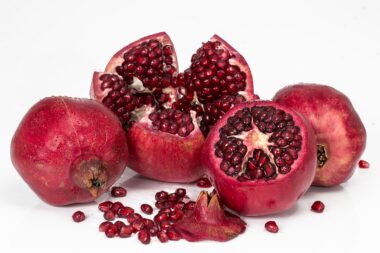
Incorporating polyphenols into meal plans offers various practical applications. One effective way is by creating tailored smoothies after workouts. Combine various fruits like blueberries and pomegranates for a potent dose of polyphenols. Combine with some protein powder to aid muscle repair. Healthy and antioxidant-rich smoothies can motivate recovery while being deliciously satisfying. Moreover, for athletes keen on savory options, salads dressed with olive oil and balsamic vinegar provide essential polyphenols and healthy fats. Incorporating nuts and seeds can further elevate the nutrient profile. Experimenting with different herbs and spices, such as turmeric and oregano, can also enrich meals with additional antioxidant benefits. Preparing these meals ahead can ensure athletes have convenient options post-exercise without compromising their nutrition goals. Recognizing that recovery nutrition doesn’t have to be mundane can foster positive attitudes towards maintaining a healthy diet. Additionally, these tasty options may attract anyone interested in healthier eating habits. Supportive food choices accelerate recovery processes, foster enthusiasm for training, and improve long-term success in sports.
Moreover, the beverage choices can play a significant role in enhancing post-workout recovery. Drinking a cup of green tea after your workout helps maximize the polyphenol content. Many studies support the notion that green tea can reduce soreness and improve recovery outcomes. Incorporating a tart cherry supplement can also benefit athletes by providing a concentrated dose of antioxidants. In addition to drinks, incorporating dark chocolate with high cocoa content post-workout can offer both enjoyment and nutrition. The combined flavor and health benefits create an optimal recovery snack that anyone can enjoy. Additionally, it becomes crucial for athletes and fitness enthusiasts to remain hydrated in conjunction with these dietary adjustments. Nutrition is not only about what you eat but how you balance your entire dietary strategy. Striking harmony between hydration and nutrient intake enhances overall recovery outcomes. Furthermore, understanding individual preferences can propel more positive dietary choices. Implementing a variety of these options can stimulate renewed interest in recovery meals. Overall, maximizing recovery requires creativity while balancing nutrition and hydration.
Potential Risks and Considerations
While polyphenols offer great benefits, athletes should also be aware of potential risks associated with excessive consumption. Overconsumption of certain polyphenol sources could interfere with nutrient absorption. For instance, high levels of tannins, commonly found in tea, might hinder iron absorption, which is vital for athletic performance. It’s essential to strike a balance in incorporating these antioxidants to reap their benefits without compromising health. Additionally, as with any supplement, individual responses to polyphenols may vary. Consulting with a healthcare professional before significantly increasing polyphenol intake can help identify personal needs and potential interactions with other factors. Being conscious of overall dietary patterns is crucial in maximizing the benefits of these antioxidants. A well-rounded diet should remain the primary focus. Furthermore, athletes should learn to listen to their bodies and adjust their dietary practices accordingly. Calibrating the consumption of polyphenols while ensuring sufficient hydration and a balanced intake of other nutrients can yield significant recovery benefits. Being mindful of these aspects will ensure all athletes have the potential to optimize their performance through nutrition.
Future research on polyphenols boasts great promise for enriching recovery strategies within sports nutrition. Scientists continue exploring their potential impacts on performance and recovery, paving the way for advancements in athletic training. Their multifaceted roles highlight the importance of understanding how antioxidants function at a cellular level. Investigating various food sources and dietary patterns will help to better inform athletes about the best options for recovery. As awareness grows, the nutritional landscape surrounding polyphenols may evolve, leading to more personalized approaches to recovery strategies. Engaging in continued studies can uncover novel insights to help athletes harness the power of food-based antioxidants. Moreover, understanding specific polyphenolic compounds can empower athletes to use supplements strategically. For practitioners and coaches, embracing this knowledge will allow them to guide athletes in optimizing their diets effectively. Ultimately, a collaborative effort between researchers, nutritionists, and athletes can enhance the integration of polyphenols in recovery plans. As the science of nutrition continues to develop, it offers exciting possibilities that can change athletes’ training and recovery regimens for the better.