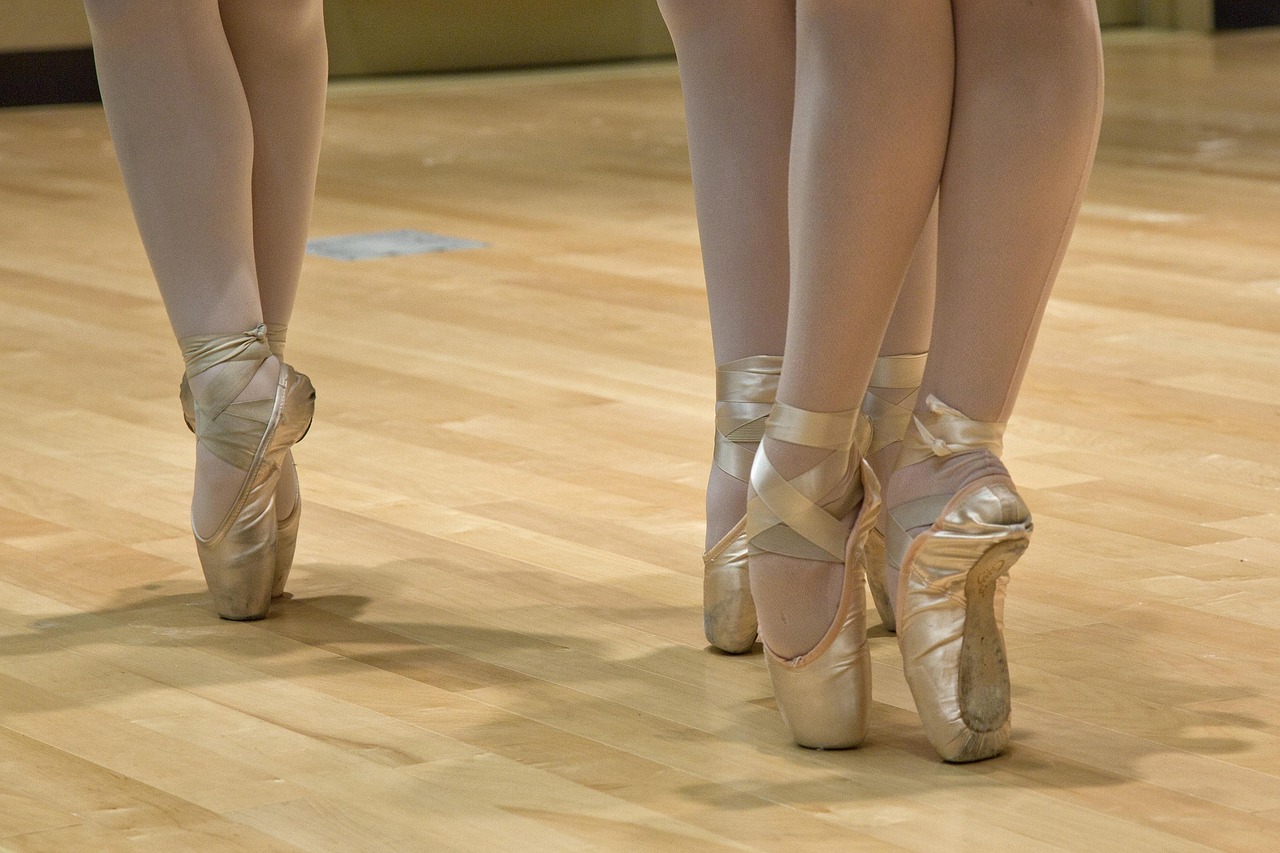

The Role of Proper Footwear in Dance Aerobics Injury Prevention
Engaging in dance aerobics is a fun and invigorating way to stay fit, but injury risks loom large without proper preventive measures. One critical component of injury prevention in dance aerobics is proper footwear. The right shoes not only enhance performance but also significantly reduce the risk of injuries such as sprains, strains, and blisters. Dance aerobics entails high-impact movements that require shoes designed to provide support, cushioning, and stability. When selecting footwear, dancers should prioritize shoes that have non-slip soles to prevent falls. Proper footwear must also offer adequate arch support to minimize foot fatigue during extended sessions. Moreover, shoes should fit snugly yet comfortably, allowing a full range of motion without any restrictions, providing stability and security essential for dancing. The materials, construction, and specific design of shoes play a vital role in preventing injuries. Thus, it is important to invest time in choosing dance-exclusive shoes when participating in these aerobic classes. A good pair of dance aerobics shoes can make a noticeable difference in enjoyment and safety while engaging in energetic routines, leading to longer-lasting participation and desired fitness results.
Studies highlight the correlation between footwear and injury occurrences among dancers. Wearing inappropriate shoes while engaging in dance aerobics often leads to common problems, such as blisters and arch pain. Each dancer’s foot structure varies significantly, which necessitates personalized footwear choices. Some dancers may have flat feet or high arches, making it crucial to select shoes that cater to individual needs. Understanding one’s foot type ensures that the chosen pair of footwear provides optimal support and alignment throughout aerobics sessions. Footwear that lacks appropriate shock absorption may lead to increasing stress on the joints, which can precipitate serious injuries over time. To counteract this, dancers should look for cushioning features and materials that adapt to the foot’s movements. Furthermore, a shoe’s weight should not be overlooked; excessive weight can impede performance and elevate fatigue, further posing risk factors for injury. Thus, when purchasing dance aerobics shoes, take into consideration factors like weight, materials, shock absorption, and support. Selecting the right footwear can guarantee dancers perform at their best for every session while minimizing the potential for injuries associated with dance aerobics activities.
Importance of Fit in Proper Footwear
The fit of dance aerobics shoes plays a critical role in injury prevention. Shoes that are too tight can lead to discomfort, restricting blood circulation and causing long-term damage to foot tissues. Conversely, shoes that are too loose may lead to instability, making a dancer more prone to accidents and injuries. Therefore, finding a balance in shoe fit is essential for anyone serious about their dance aerobics journey. When trying on shoes, ensure that there is enough wiggle room for the toes while maintaining a secure fit around the heel. A good test involves standing up and simulating dance moves to assess movement without risking injury. Consider that some brands may have different sizing, so try various styles before making a final decision. In addition, remember that moisture-wicking materials can also contribute to better foot health during workouts, as they reduce the chances of blisters from friction. Combining ergonomic design with proper fit is vital for an enjoyable and safe aerobics experience. Investing in the right shoes ensures that dancers maintain their enthusiasm for classes without suffering avoidable injuries that could hinder their progress.
Another critical factor in the prevention of injuries during dance aerobics is the type of surface on which dancers train. The shoe design should ideally be compatible with the surface material, whether it’s a dance mat, hardwood floor, or carpet. Incompatibility can lead to slips or injuries due to inadequate traction or support. Dance-specific shoes are designed to provide optimal grip and flexibility on various surfaces encountered in dance classes. For example, shoes with a suede sole are often preferred for dance studios as they allow for easy foot movement and control. Conversely, shoes with a firmer grip are recommended for slippery floors to prevent accidents. Properly designed shoes also contribute to better foot alignment and enhanced dancer performance. As the routines become more complex, maintaining stability and control during turns and jumps is essential for safety. Therefore, dancers must evaluate their training environments and select appropriate footwear accordingly. Researching shoe types compatible with various dance styles can guide them in making informed choices that aid in injury prevention and overall performance during dance aerobics sessions.
Maintenance of Dance Footwear
Preventing injuries in dance aerobics goes beyond simply choosing the right footwear; proper maintenance is just as crucial. Shoes naturally wear out over time, leading to decreased support, cushioning, and stability. Regular inspection of dance shoes for signs of wear—such as frayed seams, worn-out soles, or reduced cushioning—is essential to ensure optimal performance. Dancers should replace their footwear when these indicators become evident, as continuing to use unsuitable shoes can lead to injuries. Following the manufacturer’s care instructions can prolong the life of dance shoes, ensuring they remain effective and functional. Furthermore, it’s important to avoid exposing dance shoes to extreme conditions such as excessive moisture, as this affects performance and integrity. After each use, adequately drying them out can be an essential routine to maintain hygiene and shoe quality. Storing shoes in a cool, dry place also contributes to preserving their condition. By understanding the importance of maintenance, dancers can take proactive measures to extend the life of their shoes while safeguarding themselves against injuries occurring through negligence. Ultimately, well-maintained shoes are indispensable in the journey toward injury-free dance aerobics enjoyment.
To summarize the significance of proper footwear in preventing injuries during dance aerobics, a multifaceted approach must be adopted. Footwear selection should consider individual foot types, surface types, and fit, thereby maximizing performance while minimizing injury risks. Dancers would benefit from investing time and effort in understanding their specific needs and the proper characteristics of suitable footwear. Additionally, maintaining shoes regularly encourages a longer lifespan and ensures continued support and cushioning. Collaborating with instructors or seeking advice from professionals regarding specific shoe brands and styles can provide valuable insight tailored to individual needs. Furthermore, dancers should create a culture of injury prevention in their exercises by engaging in proper warm-up routines and cross-training. This comprehensive approach reinforces the foundation necessary for dancers to thrive in their aerobics journey and improve their overall fitness. Adopting best practices regarding footwear can facilitate resilience against injuries and offer greater longevity in one’s dedication to dance aerobics, transforming it into a sustainable lifestyle. Everyone involved in dance aerobics deserves to reap the benefits of engaging in this thrilling activity, free from the burden of injuries caused by negligence.
Selecting the Right Brand and Style
Lastly, when choosing the ideal footwear for dance aerobics, the variety of brands and styles available can often be overwhelming. It’s vital to prioritize quality over quantity when making a selection. Not all brands specialize in dance shoes, and those that do often possess unique technologies and designs that enhance safety and performance. Hence, research should be conducted on reputable brands within the dance footwear market. Furthermore, reading customer reviews and ratings can offer insights into the quality and comfort of various models, allowing dancers to make informed decisions. Trying on multiple styles can help identify which shoes feel the most comfortable and supportive during movement. Furthermore, finding retailers that allows returns or exchanges can help in making the right choice without committing to a pair that may not suit dance needs. Prioritizing comfort, style, and functionality is vital to finding shoes that enhance performance while protecting against injuries. This special attention to detail reflects a commitment to engaging safely in dance aerobics, ensuring that dancers can focus on their enjoyment and progress without unnecessary discomfort.
In conclusion, choosing the right footwear is essential in dance aerobics injury prevention. It combines effective fit, proper maintenance, surface compatibility, and the right brand selection. Dancers committed to their practice can experience a significant reduction in injury risk with a holistic approach to footwear. Educating oneself on the specifics of shoe requirements, understanding foot biomechanics, and actively participating in maintenance make a world of difference. The journey into dance aerobics should enrich physical health and offer joyous expressions of movement without the worry of injuries. Investing thoughtfully in footwear fosters an environment where dancers can thrive and alleviate the potential pain associated with harmful practices. In a community that values safety and education, dancers come together to share knowledge regarding best practices for footwear choices. Ultimately, this leads to a more enjoyable experience in engaging with dance aerobics. Making every class fulfilling, effective, and free from injury. Dancers can find joy in their craft, reaching personal goals, and enhancing fitness. With the right support and a commitment to safeguarding health, everyone can enjoy the many benefits that dance aerobics provides for years to come.