
Understanding Fitness Tracker Metrics: Steps, Heart Rate, and More
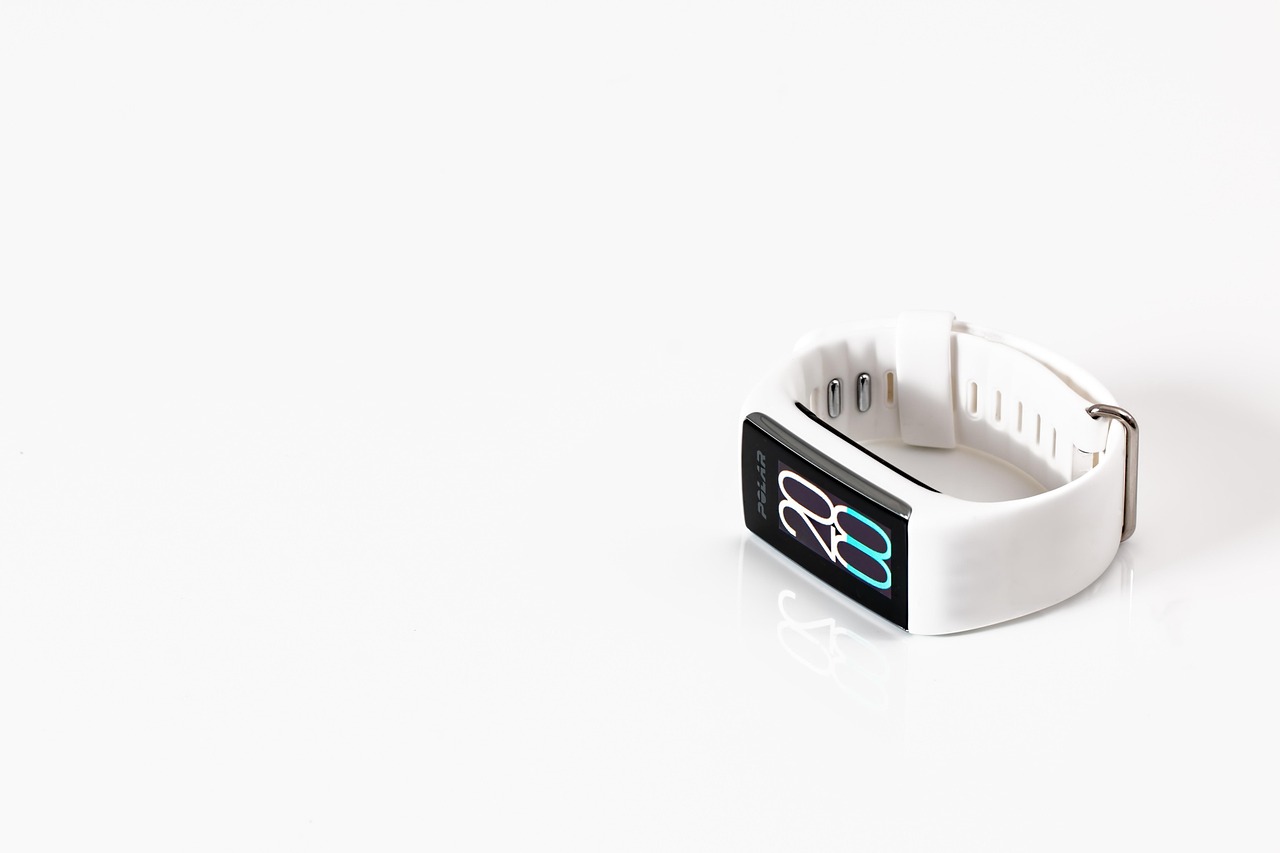
Fitness trackers are essential devices for many individuals seeking to improve their health. They collect various metrics regarding physical activities such as steps taken and heart rate variations. The popularity of these gadgets lies in their ability to motivate users in attaining their fitness goals. Most fitness trackers automatically monitor daily activity levels and provide meaningful insights that can be used for better results. For example, walking 10,000 steps daily is often recommended for maintaining health. Regularly achieving this target can significantly boost cardiovascular health and overall well-being. Additionally, measuring heart rate during workouts provides valuable information about exercise intensity. Understanding one’s body reaction through heart rate monitoring enhances workout efficiency. Fitness trackers feature various metrics beyond steps and heart rate, including sleep quality, calories burned, and workout duration. These metrics combined help create a comprehensive picture of an individual’s fitness journey. With accurate data, users can make informed lifestyle choices. Various brands also develop unique applications to track fitness progress. Exploring these features can lead to achieving long-term success in health and fitness.
Tracking steps is one of the primary functions of fitness trackers. This feature encourages users to become more active in daily life by transforming physical activity into quantifiable data. It typically uses accelerometers to measure movements and estimate how many steps a person takes each day. Having visibility on these numbers motivates individuals to hit daily targets effectively. Knowing how much one walks can unveil insights into personal lifestyle habits and areas for improvement. Some fitness trackers link step counts to challenges, allowing users to compete with friends or participate in group contests. This social aspect can significantly enhance motivation and engagement. Another important tracker metric is the assessment of heart rate. Monitoring heart rate allows for understanding fitness levels and optimizing workouts. Keeping track of heart rate during exercises helps in adjusting intensity to reach specific fitness goals. Many fitness trackers offer various heart rate zones, indicating whether you are in aerobic or anaerobic categories. These insights lead to smarter training decisions. Moreover, evaluating resting heart rate can show improvements in cardiovascular fitness over time, emphasizing the importance of heart health monitoring.
The Significance of More Metrics
Fitness trackers also provide a wealth of additional metrics, such as calories burned and active minutes. Tracking calories helps users develop an understanding of how physical activities influence energy expenditure. For instance, calorie data can guide dietary choices and prompt individuals to strike a balance between consumption and expenditure. Active minutes contribute to measuring the overall intensity of daily activities. These measurements encourage engaging in consistent physical workouts. Knowing the difference between moderate and vigorous activities can help in planning workouts effectively. Some fitness trackers even monitor specific exercises, logging activities like running, cycling, or swimming for detailed analysis. Understanding which activities burn more calories influences decisions on workout preferences. Furthermore, fitness trackers are equipped with sleep-tracking capabilities. Sleep quality is essential for overall health, as insufficient rest can lead to various issues. Trackers analyze sleep patterns, providing insights on duration and quality. This data encourages healthy sleep habits, fostering better recovery and performance during workouts. Over time, these insights can transform a user’s lifestyle by highlighting areas for improvement.
User-friendly applications complement fitness trackers by displaying collected metrics. Many devices sync data to apps that offer comprehensive feedback on individual performance. These apps typically visualize metrics in easily digestible formats, such as graphs and charts. By reviewing progress regularly, users can adjust their goals as needed and stay motivated. The overall user experience is improved with personalized recommendations based on their specific data. Some fitness tracker apps allow users to set personalized goals, aligned with desired outcomes such as weight loss or enhanced fitness levels. By keeping users accountable, these apps help maintain focus on long-term objectives. Integration with calorie tracking apps further enriches the experience as users can log food intake and monitor nutrition levels. Combining both tracking methods enhances health insights significantly. Furthermore, social sharing features allow users to connect with friends and family, enriching motivation and creating a supportive community. Engaging with others enhances competition and plummets boredom associated with fitness, making exercise more enjoyable. The immersive experience of utilizing a fitness tracker transforms how individuals monitor their progress.
Choosing the Right Fitness Tracker
Choosing the most suitable fitness tracker depends on individual preferences and goals. Various models exist catering to specific needs, from basic pedometers to advanced smartwatches. When evaluating options, assessing essential features is crucial. For example, determining preferred metrics like heart rate monitoring, sleep tracking, or GPS functionality can simplify the selection process. Some models also offer waterproof features, making them ideal for swimming or water activities. Another consideration involves battery life; longer-lasting batteries translate to less frequent charges and more extensive data collection opportunities. Price should also influence decision-making, as fitness trackers range significantly in cost. Understanding your budget helps narrow the selection efficiently. User reviews and expert ratings provide additional insights into performance and reliability, guiding potential buyers toward informed choices. Many companies also offer trial periods, allowing customers to test products before committing. Ultimately, the right tracker aligns with personal fitness goals and preferences, enhancing the overall experience. Additionally, continually exploring technological advancements adds to the excitement of finding newer models and features that cater to evolving fitness aspirations.
Another consideration when using fitness trackers involves privacy concerns. Users should understand how their data is stored and shared, as fitness trackers collect a range of sensitive information. Many manufacturers now emphasize data security, outlining how they protect user data while complying with relevant regulations. It’s essential for users to read privacy policies before integrating their fitness trackers with mobile apps and sharing data. Data sharing features can be appealing, allowing users to connect with friends and participate in challenges. However, individuals must assess if they are comfortable with their personal information being accessible to third parties. Additionally, some fitness trackers utilize cloud services to store data, raising concerns about potential breaches. Understanding these factors prepares users for informed decisions about how they approach their health and fitness goals. Regularly updating software and applications ensures optimal security and performance as technology rapidly changes. Educating oneself on best practices for protecting personal data enhances user confidence while utilizing fitness trackers. This awareness ensures a positive experience that focuses on health improvement rather than concerns over privacy and security.
Future Trends in Fitness Tracking Technology
Fitness tracking technology continues to evolve, with innovations shaping the future of health monitoring. Advanced sensors and algorithms improve the accuracy of metrics. For instance, new technologies may soon leverage artificial intelligence to assess individual fitness levels, adapting recommendations accordingly. Wearable devices are becoming increasingly comprehensive, often integrating additional health monitoring functions like blood oxygen levels and stress management. Following these trends, fitness trackers may soon encompass even more health determinants, providing holistic insights into user wellness. Additionally, augmented reality features could transform workout sessions, creating immersive experiences that engage users deeper. Syncing wearable devices with other smart technologies allows for seamless integration, enhancing performance and overall health management. As technology advances, trackers will likely become increasingly user-friendly, simplifying interactions. Wearers will benefit from better design, aesthetic customization, and comfort in wearability. Enhanced battery life and solar charging capabilities make devices more efficient through extended usage periods. Ultimately, these trends indicate a future where fitness trackers become indispensable tools for promoting healthier lifestyles while catering to various user preferences and needs.
In conclusion, fitness trackers play an integral role in monitoring various health metrics, aiding individuals in achieving their fitness goals. With their ability to track steps, heart rate, calories burned, and other essential metrics, these devices offer invaluable insights into personal health. Advanced features such as sleep tracking and social connectivity enhance the experience, ensuring users remain engaged in their fitness journey. The selection of the most suitable tracker requires careful consideration of individual needs, preferences, and privacy concerns. Understanding the privacy implications associated with sharing data empowers users to make informed decisions. As technology continues to evolve, innovations in fitness trackers promise a bright future with more sophisticated capabilities. Embracing these advancements can lead to more effective health management and an overall improved quality of life. Fitness trackers not only provide data but also foster habits that contribute to better well-being. Ultimately, the combination of personalized health insights and technological evolution creates a compelling case for fitness trackers as crucial tools for any fitness enthusiast. Individuals ready to enhance their health can find immense value in utilizing fitness trackers as they embark on their wellness journey.