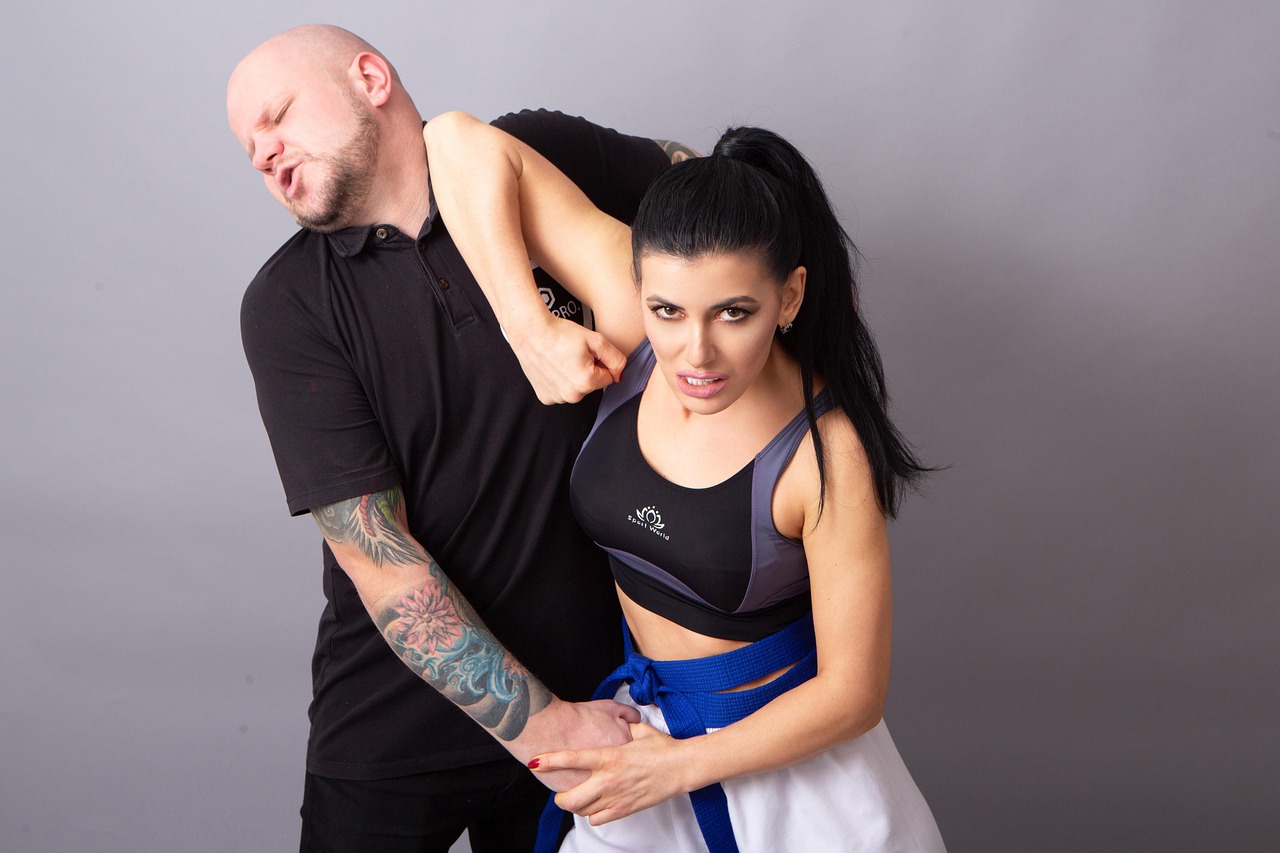

Defending Against Roundhouse Kicks: Tips and Tricks
Roundhouse kicks are powerful moves commonly used in kickboxing, delivering significant damage if executed correctly. Learning how to defend against these kicks is essential for every fighter wanting to enhance their skills. First, it is vital to maintain strong footwork, enabling you to evade the kick effectively. When an opponent prepares to throw a roundhouse kick, the best strategy is to anticipate the movement and step back or to the side. This way, you can create distance, increasing your chances of dodging the strike. Besides footwork, having a solid stance is crucial. A balanced stance allows you to move and react swiftly, providing the option to block or counter the kick. Techniques like using your hands or arms to shield your body are just as important as leg defense. Additionally, incorporating defensive drills into your training helps develop muscle memory and improves your reaction times. Regular practice ensures that these techniques become instinctive. Remember, with the correct defensive measures, you can greatly reduce the effectiveness of roundhouse kicks and enhance your overall kickboxing performance.
Additionally, when facing an opponent who throws roundhouse kicks, analyzing their technique plays a significant role in your defense. Pay close attention to their body positioning and balance before the kick lands. This assessment provides critical insight into when to evade or counterattack. If an opponent winds up for a roundhouse kick, you might have time to initiate a counter or even catch their leg. A low roundhouse kick can be met with a quick step sideways, closely followed by a jab to their exposed upper body. Utilizing feints also aids in creating openings in their defense; by pretending to attack, you can gauge their reactions and set up more effective counters. Moreover, practice various angles and approaches, as understanding different kick mechanics allows for more effective defense. Incorporating these strategies into your training routines ensures you can manipulate situations to your advantage during a real match. Lastly, consider discussing with experienced trainers or watching professional matches specifically focusing on defensive techniques, as this can provide essential tips and reinforce training efforts through observation.
Blocking Roundhouse Kicks with Your Legs
One of the most effective defenses against roundhouse kicks is blocking with your legs. To successfully block a kick, you can use your shin or thigh to absorb the impact. To execute this technique correctly, you should lift your leg and angle it slightly outward when the kick is about to connect. Utilizing your shin as a shield can help minimize damage and create an opportunity for counterattacks. However, you must ensure to maintain a stable base and keep your body aligned to avoid losing balance. Another blocking technique involves the use of the knee; by bringing your knee up sharply, you can block lower kicks effectively. Remember to practice these blocks in conjunction with head movements, allowing you to evade head-level kicks completely while staying engaged with your opponent. When training, incorporate these leg-blocking methods into drills with a partner to improve timing and accuracy. Also, focus on ensuring that your legs strike in unison with your punching techniques to create a seamless combination of defense and offense. Regular training will bolster your confidence in blocking these formidable kicks.
In addition to blocking, developing strong counter techniques can significantly improve your kickboxing defense against roundhouse kicks. The ability to quickly transition from defense to offense can allow you to capitalize on your opponent’s openings. When you successfully block or evade a roundhouse kick, your next move should be at the forefront of your strategy. For example, after blocking, you might throw an immediate counter punch or jab aimed at your opponent’s head or torso. Alternatively, executing a low kick targeting your opponent’s planting leg can destabilize their balance. Always remember that timing and precision are critical when executing counterattacks. Training with a partner or a coach focused on perfecting these counter techniques can develop your instinctual responses during sparring sessions. Be sure to practice seamlessly transitioning from blocking to attacking, as this fluency enhances the effectiveness of your counters. Engaging in shadow boxing while incorporating these techniques can also improve muscle memory. Ultimately, being proficient in various counters reinforces your overall game and makes you a more formidable opponent when facing roundhouse kicks.
Combating Roundhouse Kicks: Body Movement Techniques
The significance of body movement cannot be overstated when defending against roundhouse kicks. Proper movement can lead to successful evasion and allows you to reposition yourself more effectively. Engaging in lateral movement can help avoid direct strikes. Therefore, practicing side steps or pivots is essential for improving your overall movement in the ring. As your opponent prepares to unleash a roundhouse kick, moving to the side can help you evade the attack while keeping your eyes on your opponent’s next move. Additionally, incorporating head movement along with body movement can confuse your opponent. Combine slips and weaves with your body movements to further enhance your defensive strategies. To ensure that these movements are ingrained into your training routine, drilling them with a partner or incorporating them into pad work can deepen your understanding and efficacy. Remember, strong defensive kicking also involves angles and rhythm. Developing a keen sense of timing and rhythm with these movements enhances your defensive capabilities, allowing you to exploit openings effectively. Ultimately, mastering body movement techniques optimizes your chances of success against roundhouse kicks.
Moreover, maintaining composure in the face of an opponent’s aggressive tactics is crucial in defending against roundhouse kicks. Anxiousness can lead to poor decisions, increasing your vulnerability to strikes, including kicks. Incorporating breathing exercises into your regimen can help calm your nerves and improve your focus. Regular periods of deep breathing, coupled with visualization techniques, can be instrumental during high-pressure training scenarios or actual fights. When anxiety is eliminated, your reaction time improves, allowing for more fluid, instinctual responses. Being mentally prepared empowers you to execute defensive moves while remaining confident. It’s also beneficial to simulate sparring sessions where you challenge yourself to remain calm under pressure. Such practice will help familiarize you with fight scenarios to counteract nerves effectively. Also, remember to reinforce positive mindset training, as thinking clearly enhances your ability to make swift choices when defending. Ultimately, developing a mental strategy in tandem with physical defensive skills can establish a comprehensive approach to kickboxing defenses, particularly when confronting roundhouse kicks. The final key is balance, both physically and mentally, ensuring you are ready for each encounter.
Utilizing Defensive Gear in Training
Defensive gear plays a pivotal role in enhancing your overall training experience when focusing on defending against roundhouse kicks. While sparring or engaging in kickboxing drills, using protective gear safeguards you from injuries while developing your defensive techniques. Essential equipment includes shin guards, headgear, and body protectors, which absorb impact and reduce the chance of injury during intense training. This gear allows trainees to practice blocking and countering without the fear of injuries. Consequently, trainees can focus entirely on perfecting their form and technique without outside distractions. Consistent practice with body protection not only aids in developing your techniques but also builds mental resilience, giving you confidence when facing opponents. Moreover, working regularly with a coach who emphasizes the importance of utilizing proper gear simultaneously encourages better training habits. Incorporating realistic sparring sessions with gear can simulate actual fighting conditions while promoting a safer environment for everyone involved. The ultimate goal is to develop solid defensive strategies while minimizing injury risks for continued training. Effective use of defensive gear equips you to systematically build your skills while preparing for real-life roundhouse kicks scenarios.
Finally, as you hone your kickboxing skills, make sure to track your progress when practicing defensive moves against roundhouse kicks. Regular assessment indicates your improvement trajectory, while also highlighting areas requiring additional focus. Taking the time to reflect on training sessions allows you to set goals for future practices and assists in cultivating accountability. Techniques such as video recording either your training sessions or sparring matches can provide valuable insights into your performance. By analyzing these recordings, you can identify effective maneuvers or rein in techniques needing improvement. Furthermore, maintaining a kickboxing journal wherein you document your experiences provides clarity during evaluation periods. Including notes about your successes, challenges, and specific techniques that worked well enables you to build a tailored plan for ongoing development. Additionally, sharing your insights with fellow kickboxers or trainers can create a cooperative atmosphere where everyone learns from each other’s experiences. Continuous learning fosters growth within the sport, making it easier to adapt and refine techniques. Ultimately, effective tracking of your advancement helps to solidify skills and makes defending against roundhouse kicks second nature in future encounters.