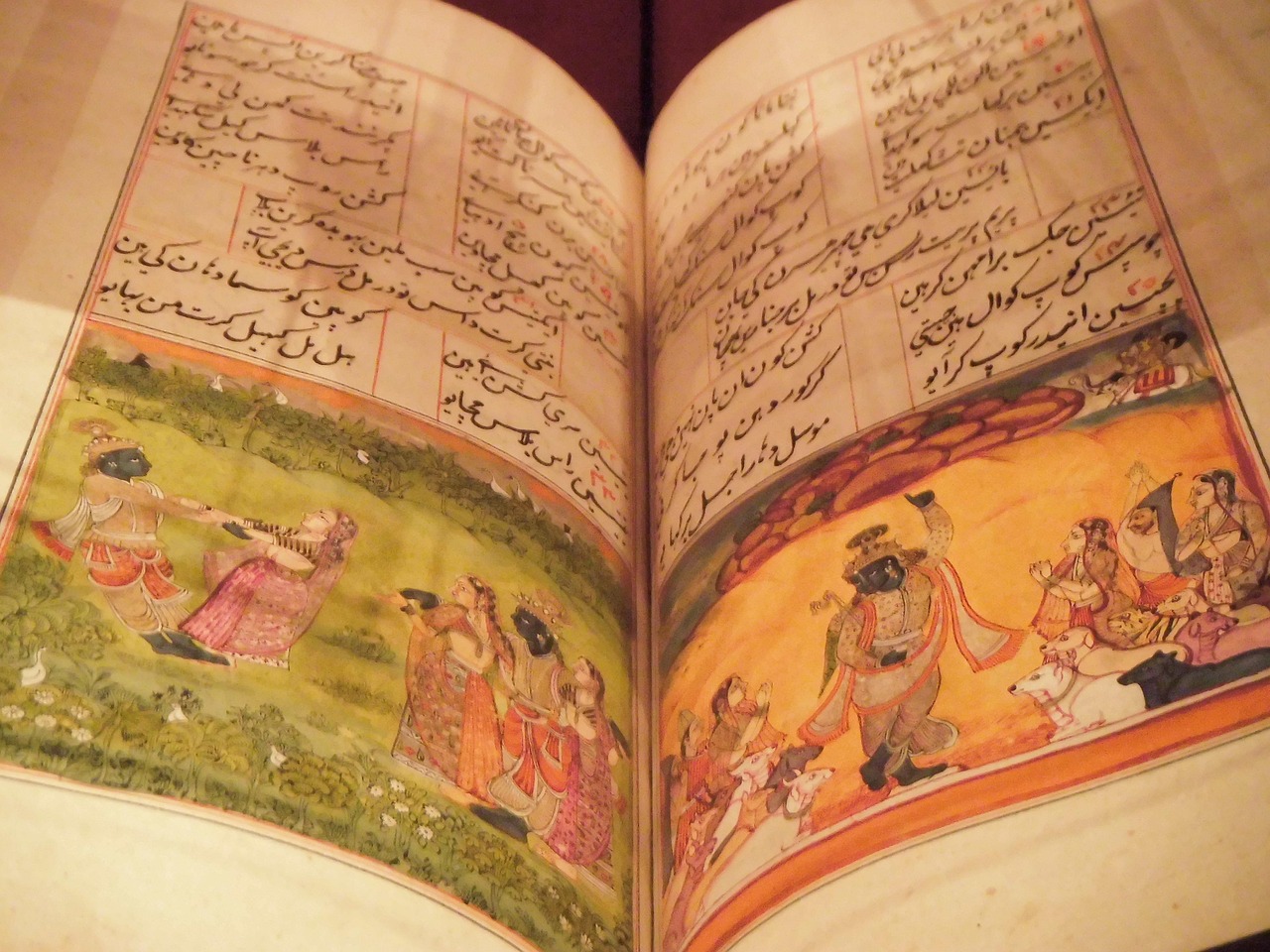

Exploring Ancient Yoga Manuscripts and Their Insights
Yoga has roots deeply entrenched in ancient philosophy and spiritual practices. Ancient manuscripts provide profound insights into its origins, evolution, and transformative effects on individuals. These texts often blend theology, philosophy, and ethical guidelines, forming a comprehensive framework for practitioners. Among the most notable manuscripts are the Upanishads and the Yoga Sutras of Patanjali, which illuminate the intricacies of yoga and its applications. For instance, the Yoga Sutras outline an eightfold path, known as Ashtanga, comprising ethical practices, meditation, and physical postures. The evolution of yoga philosophy is reflected in its various forms, including Hatha and Bhakti yoga. Each branch emphasizes distinct elements, such as physical rigor or devotion. Furthermore, the interplay between mind and body, a common theme in these texts, has profound implications for mental well-being. The ancient teachings advocate for a holistic approach, integrating mind, body, and spirit into a harmonious practice. Understanding these ancient texts equips contemporary practitioners with a deeper knowledge of yoga’s purpose and potential. Such insights foster a profound connection, fostering self-discovery and personal growth on the yogic journey.
Ancient yoga manuscripts serve as vital resources for understanding the philosophical underpinnings of yoga. The teachings found within these texts not only provide guidance on physical postures but also delves into ethical and spiritual dimensions. One significant manuscript, the Bhagavad Gita, stresses the importance of aligning actions with one’s duty, or dharma, which resonates in modern practice today. Its teachings promote mindfulness and self-awareness, echoing contemporary yoga’s emphasis on being present. Furthermore, these manuscripts unveil the significance of meditation and breathing techniques, known as pranayama, in enhancing mental clarity and emotional stability. This holistic approach nurtures a balance that extends beyond the mat, positively impacting everyday life. Additionally, the historical context of these texts reveals the cultural exchanges that shaped yoga’s evolution. From its Vedic roots to the influence of Jain and Buddhist philosophies, each era contributed unique perspectives. This cross-pollination enriched the yoga tradition, creating a diverse tapestry of practices and beliefs. Engaging with these texts not only honors tradition but also reveals timeless wisdom applicable to modern living, emphasizing yoga as a lifelong pursuit of knowledge and growth.
A pivotal component of exploring ancient yoga manuscripts is recognizing their impact on contemporary practices. Today, yoga transcends physical exercise, embodying a way of life enriched with mindfulness principles. From the Yoga Sutras, practitioners glean the importance of cultivating mental discipline and ethical conduct through the practice of non-violence, truthfulness, and moderation. These teachings resonate more than ever, especially in our fast-paced society, where stress and distraction abound. Moreover, insights from ancient texts advocate for compassion and self-acceptance, fostering a community of practitioners committed to personal and collective transformation. There’s a growing movement dedicated to utilizing these principles in modern contexts, such as therapeutic yoga, which uplifts mental health awareness by tying ancient wisdom to psychological benefits. Workshops and retreats emphasize these intersections, tying ancient teachings to practical applications. Consequently, these ancient manuscripts function as bridges, linking the rich heritage of yoga to the evolving needs of today’s practitioners. Thus, engaging with the philosophical aspects of yoga cultivates resilience and inner peace, making yoga relevant in challenging contemporary social climates. This connection enhances the overall understanding of what yoga truly embodies in today’s world.
The Role of Manuscripts in Understanding Yoga’s Evolution
Manuscripts documenting yoga philosophy showcase its transformative journey from ancient times to the present day. Each significant text uniquely contributes to the understanding of yoga’s nature. For instance, the Yoga Vasistha provides a narrative approach, blending teachings with storytelling to convey profound philosophical concepts. These narratives help depict complex ideas, making them accessible and relatable to practitioners. Preservation efforts for these manuscripts highlight the importance of safeguarding this knowledge for future generations. Organizations and universities are collaborating to digitize these works, ensuring wider access and engagement. Additionally, translations and commentaries by contemporary scholars further enhance understanding, bridging the gap between ancient wisdom and modern interpretations. As language evolves, so do insights derived from these texts. In today’s context, the relevance of yoga’s core teachings persists, focusing on self-awareness and compassion. The teachings encourage practitioners to cultivate their inner landscape while fostering communal relationships. By studying these manuscripts, practitioners can uncover the layered meanings of practices tied to ancient philosophies, uncovering insights that can lead to personal empowerment and interconnectedness within communities. This exploration illustrates yoga as an evolving tradition, continuously relevant in addressing modern life’s complexities.
The multifaceted nature of yoga philosophy is richly documented through ancient manuscripts, offering diverse perspectives on practices and ideologies. One notable text is the Hatha Yoga Pradipika, which outlines techniques for physical postures and is considered a foundational work in Hatha yoga. The clarity with which it relates physicality to spiritual development marks a significant distinction in how yoga is approached today. It emphasizes the harmony between body and mind, asserting that physical well-being is essential for spiritual practice. Such insights encourage practitioners to prioritize self-care, challenging the misconception that yoga is merely a physical endeavor. The emphasis on balance, both physically and mentally, contributes to its strong following worldwide. Furthermore, examining these manuscripts reveals the interconnectedness of various yoga schools, showcasing their shared heritage and philosophies. This interconnectedness also fosters a sense of unity among modern practitioners, who come from diverse backgrounds. Embracing this diversity enhances the community aspect of yoga, highlighting the beauty of different interpretations within a single tradition. Consequently, ancient manuscripts profoundly inform contemporary practice, proving that the wisdom of the past remains deeply rooted in today’s philosophical explorations.
Challenges and Opportunities in Studying Ancient Texts
While engaging with ancient yoga manuscripts provides invaluable knowledge, challenges often arise in interpretation and application. Many texts are steeped in cultural context that may not translate seamlessly into modern settings. Therefore, practitioners must tread carefully, respecting the origins while adapting teachings to contemporary needs. Furthermore, linguistic barriers present additional challenges, with older languages requiring robust understanding for accurate interpretation. Scholars dedicate their careers to translating these texts, ensuring that their meanings are preserved. Engaging with these manuscripts also invites opportunities for dialogue between traditional practices and modern expectations. Contemporary yoga communities often incorporate philosophies extracted from these ancient teachings, creating hybrid practices. Yoga therapy, for instance, reflects these integrations by combining ancient wisdom with contemporary psychological understandings. practitioners are increasingly open to exploring various interpretations, enriching the collective understanding of yoga. Consequently, navigating these challenges results in fruitful discussions that deepen connections among practitioners, scholars, and teachers. Embracing this journey of exploration fosters an atmosphere of respect and appreciation for yoga’s rich history, encouraging continuous learning and adaptation as the yoga tradition evolves alongside society.
The journey through ancient yoga manuscripts reveals the significance of embodied practice in fostering self-awareness and personal transformation. As practitioners delve into the intricate layers embedded within texts, they often find parallels to their own experiences. This connection to ancient wisdom encourages individuals to explore their inner truths, aligning with the principles espoused in these manuscripts. The emphasis on mindfulness that runs through many ancient teachings reminds practitioners of the power of presence in their lives. Engaging with yoga philosophy not only enhances physical practice but also deepens the understanding of the self in relation to the universe. Ancient texts often advocate for self-inquiry, guiding practitioners as they navigate their personal journeys toward self-realization. This exploration can unlock profound insights, leading to breakthroughs and personal growth, akin to the transformative experiences described in classic texts. As contemporary practitioners integrate these teachings into their lives, a sense of continuity with the past emerges, reinforcing the idea that yoga is a timeless practice. Thus, the insights gleaned from ancient manuscripts contribute to an ever-evolving understanding of yoga as both a practice and a lifestyle, fostering a rich tapestry woven from history and lived experience.
In conclusion, ancient yoga manuscripts serve as bridges connecting past wisdom to present practices and future explorations. These texts encapsulate essential teachings that remain relevant, offering rich insights applicable to modern life’s challenges. Engaging with manuscripts invites practitioners into a world where philosophy, ethics, and practical applications intertwine. Exploring these ancient sources cultivates a deeper appreciation for the art of yoga and its comprehensive nature. As enthusiasts and scholars continue to delve into these texts, the potential for discovering fresh perspectives emerges, illuminating paths for personal and communal growth. The richness of yoga philosophy—rooted in love, compassion, and understanding—remains a guiding light for practitioners worldwide. Additionally, the intertwining of various schools and disciplines creates an inclusive atmosphere, where all can contribute to the evolution of yoga. Thus, the exploration of ancient yoga manuscripts is not merely an academic pursuit but a personal journey that enhances individual practice while fostering bonds within diverse communities. By honoring the vast landscape of yoga’s history, practitioners cultivate practices that resonate deeply now and for generations to come, ensuring that the essence of yoga endures, adapting continuously in the modern world.