
How Static Stretching Improves Posture and Athletic Performance
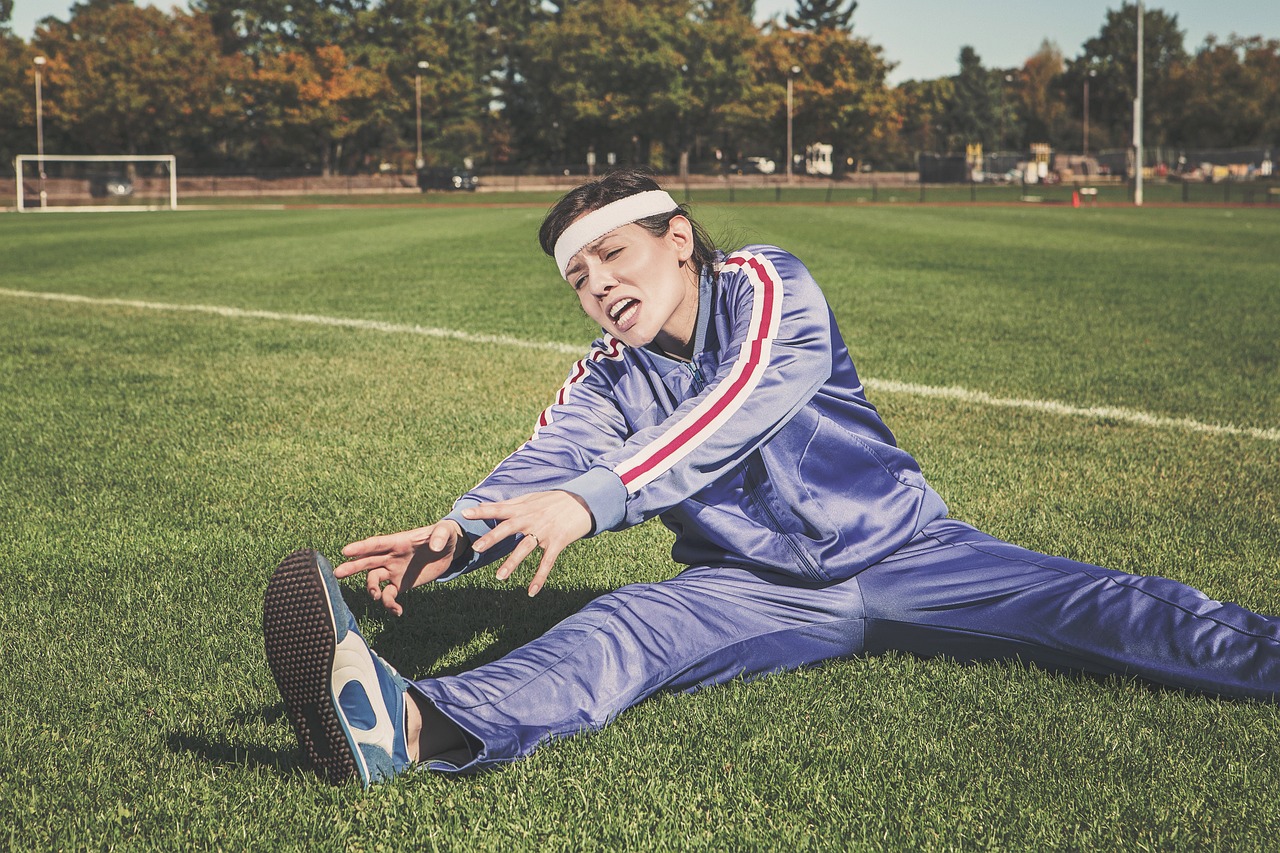
Static stretching is a form of flexibility training that involves extending a muscle or muscle group to its farthest point and holding that position for a period of time. It plays a crucial role in enhancing not only flexibility but also athletic performance. Athletes who engage in regular static stretching have shown improved posture, leading to greater functional movement patterns during physical activities. The process helps lengthen muscle fibers, preparing them for workouts or competitions ahead. Moreover, static stretching encourages better blood circulation, which is essential for muscle recovery. This increased blood flow delivers vital nutrients to muscles while removing waste products. Static stretching is particularly effective when performed after a workout or athletic performance, where muscle fibers may be tight or shortened. Practicing this technique regularly helps maintain proper alignment of the body’s structure, enabling athletes to perform at their best. In the long run, incorporating static stretching into a training regimen can lead to fewer injuries and enhanced overall athletic performance. Through consistency and dedication, athletes can reap the benefits of static stretching for improved posture and movement efficiency.
Static stretching, especially when performed correctly, can be advantageous for posture improvement. Poor posture can result in discomfort, muscle imbalances, and injuries over time. Regular static stretching targets specific muscle groups that tend to be tight in individuals with poor posture. By concentrating on these areas, athletes can alleviate tension and promote correct alignment. Common areas of focus include the chest, shoulders, hip flexors, and hamstrings. For instance, stretching the chest can combat forward shoulder posture, while hip flexor stretches can help correct pelvic tilt. These adjustments not only improve the way an athlete presents themselves but also enhance their overall functionality, leading to improved performance. Furthermore, enhanced posture contributes significantly to balance and coordination. Better alignment supports the core muscles, which are essential in almost every athletic movement. Engaging in a routine that includes static stretching empowers athletes to maintain optimal posture, thereby limiting the risks for injuries like muscular strain or overextension. In conclusion, when athletes prioritize static stretching, they create an avenue for improving overall posture, ensuring long-lasting benefits for their athletic performance.
The benefits of static stretching extend far beyond mere flexibility and posture improvement. It plays a vital role in preparing athletes for their respective sports by enhancing the range of motion. A greater range of motion allows athletes to perform movements more efficiently, which translates into better performance outcomes. For example, runners can achieve longer strides, while swimmers can enhance their stroke efficiency. Additionally, static stretching can help regulate muscle tone, ensuring that muscles are neither too tight nor overly relaxed. This balance is essential for peak athletic performance, as it allows athletes to exert maximum force without risking injury. Beyond physical benefits, there is also a psychological aspect at play. Engaging in static stretching can serve as a mental warm-up, granting athletes a few moments to focus and center themselves before a competition. This mental preparation is crucial as it helps athletes transition from stress to a state of readiness. To reap the maximum benefits, athletes should include static stretching in both their pre- and post-workout routines. Incorporating it regularly enables them to maintain flexibility, optimize performance, and reduce the likelihood of injuries.
Incorporating Static Stretching into Training
Incorporating static stretching into a training program requires a strategic approach to maximize its benefits. Athletes can identify a suitable time for stretching, either as part of their warm-up or cool-down routines. A warm-up session should typically involve dynamic movements, while the cool-down period is ideal for static stretches. This ensures that muscles are warm and more responsive to lengthening. Additionally, athletes must focus on being consistent with their stretching routines. Dedication to a stretching regimen can lead to progressive improvements in flexibility and posture. A well-structured stretching routine should cover all major muscle groups and be tailored to each athlete’s specific needs. Examples of effective static stretches include the standing quadriceps stretch, seated hamstring stretch, and the butterfly stretch. Holding each stretch for at least 15-30 seconds can help ensure that adequate time is spent in each position. To optimize performance benefits, athletes should aim for at least two to three stretching sessions a week. By prioritizing static stretching, athletes will cultivate a more balanced physique that benefits both posture and athletic capabilities.
Another noteworthy advantage of static stretching is its role in reducing muscle soreness after intense workouts and athletic competitions. Many athletes often experience delayed onset muscle soreness (DOMS), which can impact their performance. The incorporation of static stretching into the recovery phase has shown to alleviate some of the discomfort associated with DOMS. When athletes stretch after training, they promote relaxation within the muscles and encourage blood flow. This increase in circulation helps remove lactic acid, a byproduct of strenuous exercise, thus reducing post-exercise stiffness. Furthermore, engaging in static stretching can aid in muscle recovery by maintaining muscle elasticity. This is particularly beneficial during intensive training blocks where muscle tightness can accumulate. It is important to encourage stretching movements that are gentle and never forceful, allowing the body to adapt gradually. This gentle approach not only promotes recovery but also fosters a more positive mindset towards injury prevention. As athletes embrace static stretching, they will begin to notice substantial improvements in their recovery times, allowing them to return stronger and better prepared for subsequent training sessions.
Static stretching also has significant implications on breathing and relaxation, which can enhance an athlete’s overall performance. The practice encourages athletes to become more attuned to their bodies and focus on their breath during each stretch. Controlled breathing helps initiate a relaxation response within the body, calming the nervous system while promoting mindfulness. This combination of relaxation and awareness enables athletes to better manage performance-related stress, particularly in competitive settings. Athletes can strategically use static stretches as a form of mental preparation, establishing a pre-performance routine that fosters composure before competition. Moreover, regular practice of static stretching enhances proprioception, which is the body’s ability to perceive its own position and movement in space. Improved body awareness allows athletes to execute movements with greater precision and control. This is especially important in sports that require accurate body positioning or coordination, such as gymnastics or dance. As athletes continue to adapt their static stretching routines, they will find that both their physical and mental states improve, leading to overall better performance in their chosen sport.
Conclusion
In conclusion, static stretching serves as an essential component for enhancing posture and athletic performance in athletes. Through a consistent stretching program, athletes can develop greater flexibility, improved muscle balance, and heightened awareness of their body movements. The benefits extend beyond physical performance, encompassing psychological improvements, which are vital for competition. By incorporating static stretching into training and recovery routines, athletes can effectively reduce the risk of injuries and enhance overall athletic functionality. The time dedicated to stretching may seem minimal in comparison to other training aspects, yet its impact is profound. Athletes who prioritize and commit to static stretching will undoubtedly experience remarkable gains in posture and performance, thereby ensuring they can compete at their highest level. As both research and anecdotal evidence suggest, the positive outcomes of static stretching are undeniable. Athletes seeking to optimize their training regimens and improve their athletic skills should start investing time into incorporating effective static stretching methodologies. By doing so, they not only enhance their physical capabilities but also cultivate a lasting athletic career grounded in health and longevity.
Overall, one cannot underestimate the importance of static stretching in the context of athletic performance and posture improvement. The multifaceted benefits associated with this technique signify that stretching should not be viewed merely as an optional part of any training program. Instead, it ought to be recognized as a fundamental practice integrated into every athlete’s routine. From injury prevention to psychological enhancement, the implications are vast, impacting both competitive and recreational athletes alike. Through deliberate and consistent stretching practices, the foundation for better posture and improved athletic performance can be laid. As athletes continue to try various methods for enhancing their capabilities, it is wise to consider how static stretching fits into a comprehensive training approach. With real commitment, athletes can turn the practice of static stretching into an invaluable tool on their journey toward excellence. By embracing a holistic view of fitness that includes flexibility training, they pave the way for many achievements both on and off the field.