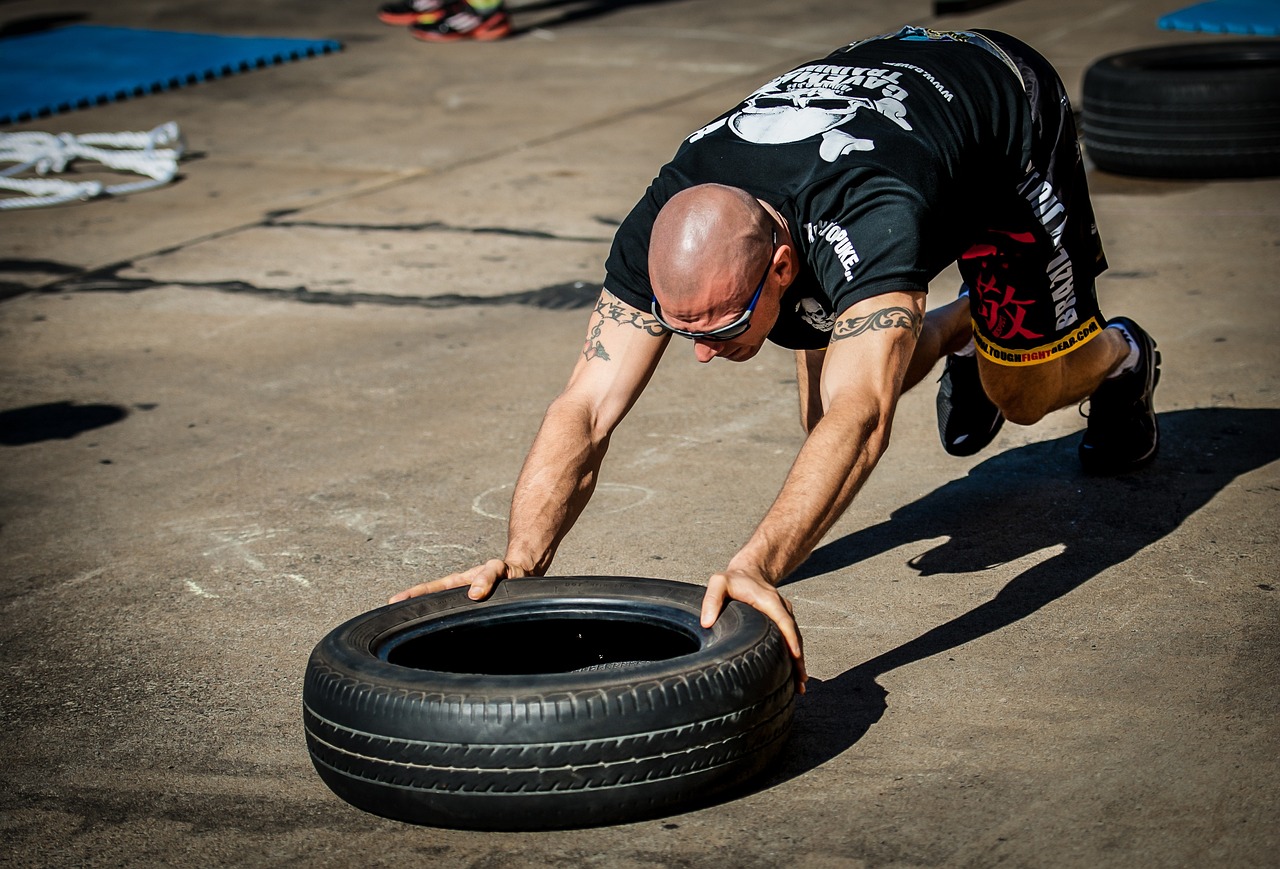

How to Design a Functional Training Program for Athletes
Designing an effective functional training program for athletes involves understanding their specific needs, goals, and physiological demands. Start by assessing the athlete’s current fitness level, strengths, and weaknesses. This includes evaluating their movement patterns and identifying any areas of improvement. Once you have a solid understanding of their capabilities, create a well-rounded training plan that addresses all relevant aspects of functional fitness. Focus on core stability, mobility, strength, and endurance, essential components that enhance performance in their respective sports. Incorporate multi-joint exercises to replicate real-life movement patterns efficiently. Additionally, utilize different training modalities such as resistance bands, kettlebells, and bodyweight movements to keep the workouts diverse and engaging. To achieve optimal results, monitor the athlete’s progress and adjust the program according to their evolving needs. This adaptability will enable them to overcome plateaus and continue improving their functional fitness. Remember, the goal is to enhance overall athletic performance while reducing the risk of injury. Communication between coach and athlete is vital to achieve these objectives. Progress tracking can be motivational, but it also ensures effective program management and goal alignment.
Building strength is a critical aspect of any functional training program. Strength training should focus on compound movements that engage multiple muscle groups. Examples include squats, deadlifts, and push-ups. These exercises not only improve strength but also enhance joint stability and coordination. Incorporating functional strength exercises helps mimic the demands of the specific sport while developing a solid foundation. Additionally, athletes should include Olympic lifts, such as cleans and snatches, which promote explosive power essential for many sports. It’s also beneficial to integrate unilateral exercises that engage each side of the body individually, promoting better balance and coordination. This approach is particularly helpful for athletes who require limb independence during their performance, such as runners or swimmers. Remember to prioritize proper technique throughout the training process to avoid injuries and maintain effectiveness. Essential to consider are the sets, repetitions, and rest periods allocated during the workouts. Tailor each aspect to the athlete’s experience level and desired outcomes to optimize results. A training journal may be used for tracking progress, helping both coaches and athletes stay aligned with goals and strategies effectively.
Incorporating Mobility and Flexibility
Mobility and flexibility are paramount in any functional training regimen, particularly for athletes who frequently endure strenuous physical activity. Including dynamic stretching and mobility drills before workouts allows athletes to prepare their bodies for movement and avoid injury. Movements such as hip openers and shoulder dislocates address common restrictions that may compromise performance. Post-workout stretching routines or yoga sessions can improve flexibility while promoting recovery. Additionally, understanding the significance of soft tissue work is crucial; rolling out muscle knots and tight areas using foam rollers or massage balls drastically enhances recovery. Implementing mobility exercises tailored to an athlete’s specific sport can further enhance performance. For example, a sprinter may perform ankle mobility exercises to optimize stride length, while a basketball player would benefit from hip and knee mobility to improve agility and explosiveness. Regular assessments for flexibility and mobility can ensure continuous improvement and highlight any discrepancies that may be developing as training progresses. Athletes also need to be educated on their individual ranges of motion to implement these strategies effectively. The goal is to create a well-rounded functional training program infused with mobility to enhance overall athletic performance.
Endurance is another vital component of functional training programs tailored for athletes. Improving cardiovascular endurance can enhance an athlete’s overall performance significantly. Incorporate interval training, which mixes high-intensity workouts with recovery phases for efficient conditioning. This method enables athletes to perform better by increasing their anaerobic capacity and maximizing energy expenditure in shorter durations. Additionally, consider implementing circuit training to elevate heart rates while incorporating strength and conditioning simultaneously. This type of training can significantly benefit athletes whose sports require sustained energy output, such as soccer players or basketball players. To ensure comprehensive endurance, athletes should also engage in long-duration aerobic activities on separate training days, promoting cardiovascular health and increasing stamina. Proper nutrition should complement these endurance-focused exercises, fueling the body with the energy necessary for optimal performance. Athletes should be educated about the importance of hydration and nutrient timing surrounding workouts, particularly when engaging in high-intensity or prolonged sessions. Tracking heart rate and overall wellness can help in adjusting the intensity of workouts to avoid overtraining. Ultimately, fostering endurance promotes resilience and longevity in athletic pursuits across any sport.
Injury Prevention and Recovery
No functional training program is complete without an emphasis on injury prevention and recovery strategies. Athletes should learn the importance of listening to their bodies and understanding when to modify exercises or take rest days seriously. Periodization within the training schedule can also prevent burnout and overuse injuries by ensuring athletes alternate between hard and recovery phases effectively. To support recovery, implement techniques such as active recovery sessions, which can include low-intensity activities like swimming or light jogging. Nutrition plays a crucial role as well; a diet rich in proteins, vitamins, and minerals helps repair muscles and reduce inflammation. Incorporating regular sessions of massage therapy or chiropractic care can further promote recovery and optimize performance. Additionally, utilizing recovery tools such as compression garments or electrical stimulation devices may enhance muscle recovery post-training. Guided visualization techniques may also help athletes manage anxiety and improve mental recovery. Building mental resilience will empower athletes to cope with challenges and maintain focus on their goals during recovery phases. Ultimately, a well-designed functional training program addresses not only the physical aspects but also ensures mental well-being, leading to improved overall performance.
Next, we must consider the role of sport-specific functionality in training. Each sport has unique demands, and athletes must train within those specific parameters. Understanding these requirements helps in designing functional workouts that prepare athletes for competition. This means creating drills and exercises that replicate the movements encountered during gameplay or competition. For instance, a football player may benefit more from lateral plyometric exercises, while a swimmer may focus on rotational strength drills. Engaging in sport-specific scenarios enhances the transfer of training into actual performance. Coaches might incorporate simulation drills that closely mimic real-game situations, honing athletes’ reactions, decision-making, and adaptability under pressure. Such training ensures that athletes develop agility, coordination, and sportsmanship qualities that are critical to excel in their sports. Periodically altering training modalities can also contribute to this simulation aspect, preventing monotony in workouts. Furthermore, athletes should be educated on the mental aspects of sport-specific training as well. Building mental toughness promotes confidence and resilience, crucial traits for performance success. Developing functional training programs that account for these factors ultimately enables athletes to make strides toward achieving their athletic potential effectively.
Technology in Functional Training
The integration of technology in developing a functional training program can offer significant advantages. Athletes today have access to various tools that can enhance their training experience and facilitate progress. Wearable technology, such as fitness trackers or heart rate monitors, enables precise monitoring of workouts, recovery, and overall performance metrics. This data can be instrumental in tailoring programs based on individual preferences and results. Furthermore, leveraging video analysis can help in providing feedback to athletes and coaches alike. This approach allows for the identification and correction of technique flaws during training. Coaches may also use apps designed for program development, which can help organize training regimens efficiently while ensuring that the athlete’s needs are met. Online platforms can foster community support among athletes, helping them share experiences and training tips. Virtual coaching services might be considered to reach a wider audience and foster engagement with remote athletes. Integrating technology not only allows for more informed training decisions but also enhances motivation and accountability. Ultimately, these tools can empower athletes to stay connected with their training goals while driving progress through informed strategies and insights.
In conclusion, developing a functional training program tailored for athletes requires a comprehensive understanding of their needs, sport-specific demands, and overall fitness goals. Emphasis on strength, mobility, endurance, and injury prevention will help ensure that athletes progress effectively. This multifaceted approach builds resilience and enables athletes to excel in their respective sports. Trainers and coaches play an essential role in guiding athletes through these phases, facilitating effective communication channels. By employing different training modalities and strategies that promote recovery, athletes can enhance their performance sustainably and holistically. The integration of technology into training programs further enriches the experience—helping track performance, understand data, and foster community. Remember, open dialogue with athletes ensures that the program resonates with their aspirations and remains adaptive to challenges along the way. Long-term progression should always be the goal, highlighting the importance of consistency and persistence. With a thoughtful, strategic focus on functional training, athletes will not only perform better but also enjoy the process, fostering a lifelong commitment to health and fitness. Therefore, take the time to develop these programs diligently, as they will lay a solid foundation for athletic success for years to come.