
How to Pick the Best Inline Skates for Urban Skating
When considering inline skates for urban skating, it’s essential to understand the different types available in the market. Urban inline skates are designed for versatility, comfort, and durability. You’ll usually find them equipped with larger wheels, providing smoother rides over imperfect surfaces. The most popular types include fitness skates, aggressive skates, and recreational skates. Each type has unique features tailored for various activities. For instance, fitness skates emphasize speed and comfort, while aggressive skates are built for tricks and stunts. Recreational skates often blend features from both categories, making them suitable for casual skaters. Examining your preferred skating environment plays a significant role in your choice. If you often traverse rough surfaces, look for skates designed to absorb impact. Remember, size and fit are key factors. A snug fit ensures better control and minimizes the risk of blisters. Lastly, consider aesthetics; many models come in various colors and designs. Balancing functionality with style is crucial for an enjoyable skating experience.
Choosing Wheel Size
One fundamental aspect of selecting inline skates is the wheel size, which significantly influences your skating experience. Larger wheels generally provide higher speeds and better rolling efficiency, making them ideal for urban skating. However, they may sacrifice some maneuverability. Common wheel sizes for urban skates range from 80mm to 110mm, while aggressive skates often feature smaller wheels, usually around 55mm to 60mm. Beginners might prefer smaller wheel sizes for increased control. As you gain experience, transitioning to larger wheels might enhance performance on smoother surfaces. It’s essential to consider your weight when choosing wheel size, as heavier skaters benefit from larger wheels for better support and stability. Additionally, different wheel hardness impacts grip and speed; softer wheels offer more grip on rough pavements but wear out faster. Harder wheels may roll faster on smooth surfaces but sacrifice some control. Striking a balance between size and hardness according to your skating style is crucial. Don’t hesitate to test various sizes to discover what feels best for your skating needs.
Another consideration when picking your inline skates is the boot material. Inline skate boots come in hard and soft options, each offering unique benefits. Hard boots provide excellent support and protection, making them ideal for aggressive skaters who perform tricks. They are also known for their durability, allowing skaters to tackle urban obstacles without worry. In contrast, soft boots prioritize comfort and breathability. They are better suited for beginners or casual skaters who might prioritize comfort over support. Often made of mesh or padded materials, soft boots offer a snug fit without being overly restrictive. However, the increased comfort may come at the cost of less ankle support. If you’re skating for longer durations, a soft boot might provide the necessary comfort. Additionally, many skates feature a hybrid design, combining the support of a hard boot with the comfort of a soft boot. Trying on both types can help you identify which feels better for your skating style. Don’t forget to consider aesthetics; skate design can also significantly affect your choice.
Strapping and Closure Systems
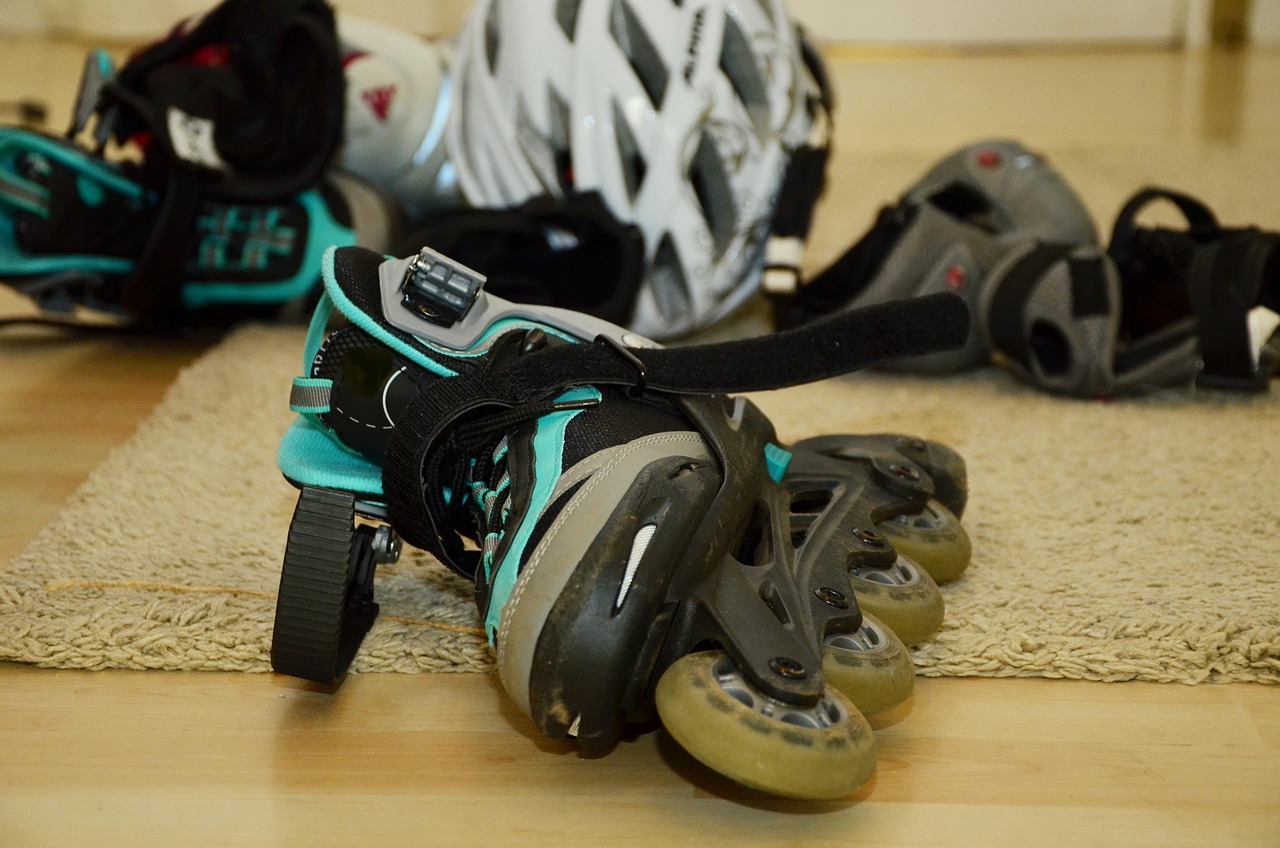
The strap and closure systems on inline skates are also crucial for ensuring the right fit and performance. Most inline skates use a combination of laces, buckles, and straps to secure the foot properly. Laces allow for a customizable fit but can be time-consuming for quick adjustments. Buckle systems, on the other hand, facilitate easy fastening but may restrict adjustments compared to laces. Inlin skates typically have at least two closure systems—the ankle and the cuff—to provide sufficient support. Straps come in various designs, including Velcro and ratchet options, which offer solid closure and convenience. Comfort is another consideration; ensure the closure system provides a snug fit without causing discomfort. Loose skates can lead to blisters and decreased performance, while overly tight skates can cause foot pain and fatigue. Make sure to test the lacing or buckling while wearing the skates to determine what system works best for you. It might also be beneficial to try different styles to find the most comfortable and functional combination.
Weight is another crucial factor when choosing inline skates for urban use. The density of the materials used in the boot, frame, and wheels all contribute fundamentally to the overall weight. Lightweight skates help in gaining speed and enhancing agility, which is crucial during urban skating sessions that may involve quick maneuvers and jumps. High-quality materials such as carbon fiber or lightweight aluminum are often used to decrease weight without sacrificing durability. However, overly lightweight models might compromise on protection; thus, it’s essential to strike a balance between lightweight design and necessary protection. Heavy skates may feel more stable on rough terrains but can tire your legs quickly, especially during longer skating sessions. It’s wise to try various pairs of skates to find the weight that feels comfortable and balanced for you. Although it may seem trivial, the right weight can significantly enhance your overall skating experience, as it impacts your stamina and control. Ultimately, strive for a pair that offers both lightness and adequate protection.
Quality of Bearings
Every inline skater knows that bearing quality directly affects performance levels. Bearings are the small circular components that allow wheels to spin freely. High-quality bearings make a noticeable difference in speed and ease of movement. Commonly rated by the ABEC (Annular Bearing Engineers Committee), bearings vary in quality—from ABEC 1 to ABEC 9, with higher numbers generally indicating better precision and fit. For urban skating, aim for bearings rated at least ABEC 5, as they provide a good balance of speed and durability. However, note that while ABEC ratings can guide you, other factors such as bearing material and design also matter. More premium models often utilize ceramic or high-grade steel to reduce friction and improve performance. Regular maintenance also extends bearing life, so consider options that allow easy access for cleaning and lubrication. Remember that skates with poor bearings can hinder your performance, causing you to give up too soon. Investing in good-quality bearings enhances your overall ride and ensures fewer interruptions during your skating adventures.
Finally, remember to check the sizing and fit of inline skates before finalizing your purchase. Inline skates are often available in various sizes, but sizing can vary between brands. It’s recommended to try on skates with the socks you intend to wear while skating to achieve the perfect fit. A proper fit means your toes should lightly brush the front of the boot without being cramped. When buckled in, your heel should feel securely locked in, preventing any slipping. Remember that some brands have adjustable skates that can accommodate foot growth or padding adjustments. Consider any additional accessories, such as removable liners, which can further alter the fit. Also, keep in mind that different types of socks can affect comfort; thicker socks may provide more cushioning while thinner options allow for a tighter fit. Lastly, don’t hesitate to ask for professional fitting assistance at a local skate shop, as they can help identify the best options tailored to your preferences. The right fit is essential for a successful and enjoyable skating experience.
Conclusion
In summary, selecting the best inline skates for urban skating involves multiple considerations. Wheel size, boot material, strap systems, and bearing quality play vital roles in determining performance and comfort. Understanding your skating style and environment greatly influences your choice. Remember to prioritize a proper fit and consider the weight of the skates. Finally, don’t underestimate the importance of high-quality bearings. They can enhance your speed, performance, and overall enjoyment. By taking the time to research and try different options, you’ll find the ideal pair that meets your needs. Skating should be an enjoyable and thrilling experience, and having the right equipment is crucial. Invest in quality skates tailored to your specific requirements and skate safely while exploring urban landscapes. Happy skating!