
How to Use Wrist Guards to Prevent Common Inline Skating Injuries
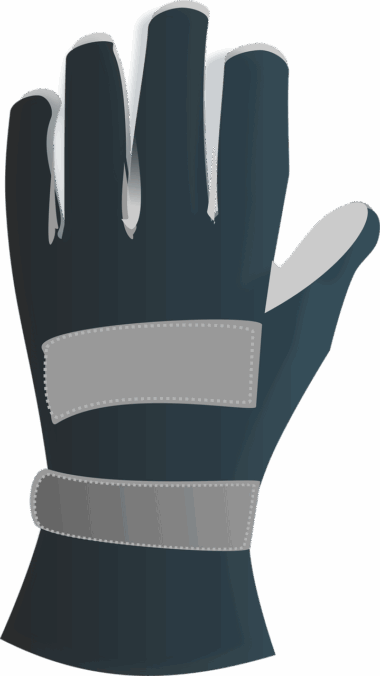
Inline skating is a popular recreational activity, but it comes with inherent risks. One of the most effective ways to prevent injuries is through the use of wrist guards. These protective gears are designed to prevent wrist injuries, which are common among skaters due to falls. When selecting wrist guards, consider the level of padding and material. Look for guards with robust impact-absorbing foam which can significantly reduce the impact during falls. To ensure that wrist guards provide optimal protection, they should fit snugly. They should not be too tight, as this can restrict blood flow. Additionally, they shouldn’t be too loose either, which could result in lack of protection during an impact. Proper adjustment of the straps is essential for comfort and safety. Wrist guards are not just suitable for beginners; even experienced skaters use them during practice and tricks. Regularly inspect your wrist guards for any wear and tear. Familiarize yourself with correct skate positioning and landing techniques, as this can further reduce the risk of falling and serious injury.
Choosing the Right Wrist Guards
Wrist guards come in various designs and sizes. It is essential to assess your specific skating style when selecting appropriate safety equipment. In-line skating can involve high speeds, jumps, and various terrains, so your wrist guards must match these demands. Look for guards that offer both flexibility and support. A good wrist guard will protect your wrist and allow you to maintain mobility while skating. Always check if the wrists are adjustable; this feature enhances the fit and comfort, making skating more enjoyable. Materials of wrist guards commonly include nylon, fabric, and plastic, which help in absorbing shock. Ensure guards do not hinder natural wrist movement, as maintaining dexterity is crucial. Additionally, some high-end wrist guards come equipped with reinforced areas for extra protection. Before committing, it’s a good idea to read reviews or ask fellow skaters for recommendations. Don’t focus solely on aesthetics; functionality should be your primary concern. Investing in quality wrist guards will enhance your skating experience and allow you to push boundaries safely, minimizing injury risk.
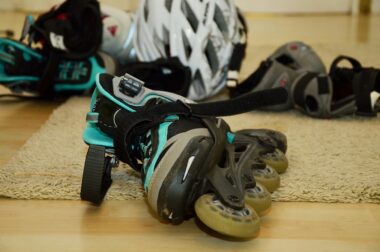
Wearing wrist guards correctly is as important as choosing the right ones. First, ensure that the guards are placed on the correct side; wearing them backward will defeat their purpose. Next, adjust the straps securely, but not excessively tight. A well-fitted wrist guard should stay in place without slipping, allowing full function during skating. Take the time to practice falling safely; this involves rolling rather than just putting out your hands. This technique will keep your wrists protected even in challenging situations. Additionally, learn how to skate with proper technique and posture, as this can help to minimize awkward falls. Regular practice will make these techniques second nature. Always remember to also wear other protective gear such as helmets and knee pads. Each of these protective items contributes to overall safety during inline skating. Check your gear periodically for any signs of wear or damage. A dedicated skater should embrace precautions without letting fear hinder enjoyment. Inline skating offers joy and excitement, and being well-prepared with wrist guards allows you to savor every moment.
Common Inline Skating Injuries
Aside from injuries to the wrist, inline skating can lead to various other injuries if proper safety equipment is not utilized. Common injuries include sprains, fractures, and bruises, particularly to the ankles, knees, and hips. Understanding these risks is crucial for every inline skater, regardless of experience. Wrists are often the first part of the body to hit the ground during a fall, emphasizing the need for effective wrist protection. It’s also essential to be aware of surroundings while skating; obstacles can lead to falls. Maintain proper distance from other skaters to prevent collisions. Furthermore, caution should be exercised on varying surfaces, as they can influence skating stability. Road and sidewalk conditions may have debris or potholes. Always be prepared by ensuring that your floor or skating surface is free from hazards. Practicing stopping techniques can also help prevent falls. Always remain alert and pay attention to surroundings, especially in crowded areas. Being aware of others can dramatically reduce the chance of accidents, making your skating experience more enjoyable and safe.
Skaters should never underestimate the importance of practicing in safe environments. Start in less crowded areas to enhance your skills before venturing into busier locations. It’s helpful to practice stopping and slow turning before transitioning to trick skating or higher speeds. Emphasizing slow, controlled movements helps build muscle memory and reduces the risk of falls. Regularly practicing how to fall can prepare skaters for unexpected situations. Develop an understanding of your limits. Know when to push boundaries and when to hold back, especially if you are feeling fatigued. Fatigue can lead to poor judgment and an increased likelihood of falls. Utilize community skate parks, as they present a controlled environment with appropriate ramps and features designed for safety. Joining a skating group or taking classes can motivate improvement; learning from experienced skaters is invaluable. Skater safety is paramount, and fostering a supportive culture can promote better safety practices. Keep a first aid kit on hand for minor injuries. Remaining proactive about safety will enhance enjoyment and mastery of inline skating while reducing injury risks throughout your skating journey.
Conclusion
In conclusion, wrist guards are an essential piece of equipment for any inline skater keen on minimizing injury risks. Combine quality wrist guards with other protective gear, and you create a comprehensive safety strategy. They not only protect during falls but also provide peace of mind, allowing skaters to focus on enjoyment and skill enhancement. Therefore, investing in high-quality wrist guards is essential for both recreational and serious skaters. Remember, safety should never be an afterthought. Understanding how to wear and use them properly is crucial. Regular practice of falling techniques, skating posture, and maintaining awareness can lead to safer experiences on wheels. Inline skating is about fun, and security can significantly contribute to ensuring a more enjoyable ride. Take the time to choose the right gear, putting thought into both comfort and safety. Making informed decisions will ultimately pay off in injury prevention. So gear up, hit the trails, and enjoy the rush of inline skating while remaining safe. Let your passion for skating thrive with the right protection and practices!
Inline skating is a fantastic way to stay active and have fun outdoors, but the potential for falls and injuries is real. With the right safety equipment, skaters can protect themselves while pursuing this exhilarating activity. Wrist guards are essential in this regard—ensuring hands and wrists have added support during falls or spills. Choosing the right wrist guards means looking for those that are specifically made for inline skating. This means they should have reinforced sections designed for impact absorption while allowing for flexibility and movement. Proper fitting is imperative; a guard that’s too loose or tight can be ineffective. It’s not just the equipment that safeguards you but also your technique. Learn how to fall correctly, roll upon impact, and protect your wrists consciously in case of a fall. Always be mindful of the surface you’re skating on and make necessary adjustments to your speed and maneuvers accordingly. With consistent practice and adherence to safety guidelines, you can enjoy inline skating while significantly reducing the chance of injury over time.
Investing in safety gear like wrist guards is an essential practice for inline skaters of any skill level. Quality wrist guards help protect one of the body’s most delicate areas—the wrists. Along with wrist guards, other safety gear, such as knee pads and protective helmets, should not be overlooked. Assessing your skating environment before practice is also vital. Are there potential hazards or obstacles? Clear them if possible, and choose an appropriate location to skate. Never underestimate the importance of warm-up exercises, which can help prepare your muscles and joints for activity, reducing injury likelihood. With the right preparation, protective gear, and mindset, skating can be both exhilarating and safe. The experience multiplies in enjoyment when you ride with confidence. Whether you’re just starting or looking to improve your skills, prioritizing safety equipment and techniques should be non-negotiable. Embrace your passion for inline skating, and remember that with the right attitude, safety practices, and gear, you can enjoy this thrilling activity without serious risks. Your favorite pastime awaits—gear up and glide with confidence!