
Implementing Relaxation Breaks in Senior Fitness Classes
Relaxation techniques are crucial in senior fitness classes, providing participants with physical and mental benefits. Incorporating relaxation after exercise enhances overall well-being and facilitates recovery. Activities such as stretching, deep breathing, and mindfulness can significantly reduce stress levels while improving flexibility and blood circulation. Ensuring these breaks are included helps seniors manage any discomfort resulting from physical activities. Additionally, it’s important for instructors to adapt these techniques based on individual needs to create a more personalized experience. For instance, teaching deep breathing methods can empower seniors to control their heart rate and promote calmness. Gentle stretching before and after workouts also aids in loosening tight muscles, thereby preventing injuries. Moreover, encouraging social interaction during these breaks can enhance mood and provide emotional support among participants. Instructors should consider making relaxation breaks a routine part of their classes to develop anticipation and routine for seniors. A well-structured relaxation period can transform participants’ experiences, making sessions not only beneficial for physical health but also enjoyable. Consequently, creating a balanced approach to fitness and relaxation is essential, making classes richer and fostering a positive community atmosphere.
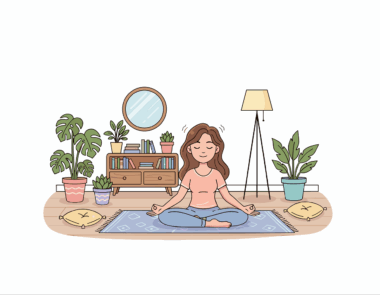
After establishing the significance of relaxation breaks, it is essential to explore specific techniques that can be utilized in senior fitness classes. Primarily, stretching should be a dominant feature in relaxation routines due to its many advantages. Gentle neck rolls, shoulder shrugs, and wrist rotations are excellent ways to relieve tension that can accumulate during exercise. Furthermore, providing clear instructions ensures that all participants feel safe while performing these routines. Additionally, incorporating calming music can create a more inviting atmosphere and further aid relaxation. Techniques such as progressive muscle relaxation, where seniors systematically tense and relax muscle groups, can help with awareness and release any built-up tension. Moreover, leading participants through guided imagery can enhance their mind-body connection while allowing them to visualize peaceful scenes that promote tranquility. It’s beneficial to explain the purpose and science behind each technique to engage seniors and maintain interest. Another effective method is introducing gentle yoga poses that emphasize breath control and relaxation. Such practices adapt well to the abilities of seniors while promoting flexibility and strength, making them a vital part of the exercise regimen.
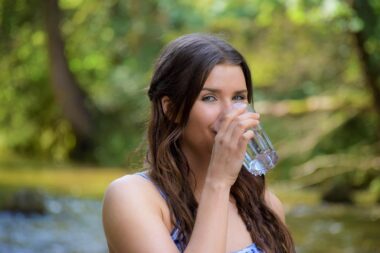
As relaxation techniques are integrated into senior fitness programs, it is also important to consider the duration and timing of these breaks. Ideally, relaxation should occur at the end of each session for optimum recovery and to leave participants feeling refreshed. However, incorporating them into the middle of more intense classes can be beneficial too. Short breaks throughout the class can help to maintain energy levels and prevent fatigue. It’s essential to keep these breaks short but effective, perhaps lasting no longer than five to ten minutes. This timeframe allows enough time to relax without making the class feel disjointed. Additionally, instructors should encourage seniors to listen to their bodies and acknowledge when they need to pause and regroup. During the relaxation period, it’s vital to stress the importance of hydration and encourage participants to drink water afterwards. Providing simple tips on staying relaxed, such as taking deep, steady breaths and visualizing a calming place, enhances the overall effectiveness of the breaks. Through these methods, relaxation becomes not just beneficial but a fundamental aspect of the fitness journey for senior participants.
Creating a Relaxation-Friendly Environment
To maximize the benefits of relaxation techniques in senior fitness classes, creating a conducive environment is essential. The physical space should be comfortable, safe, and inviting. Chairs and mats must be adequately spaced to allow freedom of movement, promoting relaxation and comfort. Soft lighting creates a soothing ambiance that can positively impact mood. Additionally, instructors can incorporate essential oils or scented candles safely, using scents like lavender that have calming properties. Clear communication about relaxation sessions can set expectations, reducing anxiety and discomfort. Emphasizing a non-judgmental atmosphere is equally important as seniors may feel self-conscious about their abilities. The class should feel like a supportive community where everyone is encouraged to work at their own pace. Moreover, providing supportive props such as cushions or straps for stretching enhances comfort and accommodates participants of different fitness levels. Allowing for personalized adjustments helps in fostering independence among seniors. Preparing the space in a way that aligns with relaxation goals encourages participants to fully engage and benefit from these essential breaks. Overall, a supportive environment enhances the effectiveness of relaxation techniques in senior fitness classes.
Furthermore, encouraging feedback from class participants can significantly enhance the implementation of relaxation techniques. Instructors should create a platform, such as periodic surveys or informal discussions, to obtain insights on which relaxation methods they find most beneficial. These discussions can also foster a sense of community, allowing seniors to learn from each other’s experiences. Effective communication about the relaxation breaks can lead to improved engagement and participation levels. It’s beneficial to ask about their physical response and emotional wellbeing as a result of the relaxation techniques. By being receptive to feedback, instructors can tailor their classes to better meet the needs of participants. This not only enhances the effectiveness of relaxations but also instills confidence in seniors regarding their fitness journey. Furthermore, seeking feedback on the duration and techniques used can create a more responsive and adaptive class environment. As a result, seniors may feel more empowered, leading to increased retention and satisfaction with the program. Ultimately, by involving participants in the decision-making process regarding relaxation techniques, they become active contributors to their wellness journey.
In addition to offering relaxation techniques, instructors can emphasize the broader importance of self-care and holistic wellness. Educating participants about the benefits of relaxation beyond the fitness classes encourages a lifestyle change. They can be introduced to other self-care practices like meditation, journaling, or even recreational hobbies that promote relaxation. Workshops or themed classes focusing specifically on relaxation techniques can provide participants with an opportunity to explore new practices. A community initiative promoting relaxation techniques, such as mindfulness or breathwork sessions, could build a larger support network. Furthermore, incorporating relaxation techniques into daily routines outside of class extends the benefits practiced during sessions. Encouraging seniors to practice relaxation methods after physical activities or stressful events can help solidify these habits. Sharing resources such as books or online materials about relaxation can further support these practices. The goal is to ensure that relaxation becomes an integral part of their daily life, enhancing their overall quality of life. Overall, the implementation of relaxation in senior fitness classes paves the way for promoting long-term wellness and balance.
Conclusion
In conclusion, implementing relaxation breaks in senior fitness classes is both beneficial and essential for promoting well-being among participants. These techniques not only aid in recovery and flexibility but also enhance mental health by reducing stress and anxiety. By incorporating various relaxation strategies, such as gentle stretching, deep breathing, and mindfulness, instructors can create a balanced and enriching class environment. Furthermore, creating a supportive atmosphere that encourages feedback will lead to ongoing improvement and participant satisfaction. The significance of a relaxed mindset broadens beyond fitness, promoting overall quality of life and encouraging seniors to embrace a healthier lifestyle. When instructors prioritize relaxation, the classes can transform into holistic experiences fostering emotional and physical wellness. By paying attention to the needs of seniors and incorporating individualized adjustments, relaxation breaks become empowering. Encouraging practice of these techniques outside the classroom helps solidify their benefits. Overall, when combined with fitness routines, relaxation strategies can play a vital role in enhancing senior health and community. With a comprehensive approach that accentuates relaxation, seniors can enjoy a refreshing and rewarding fitness experience.