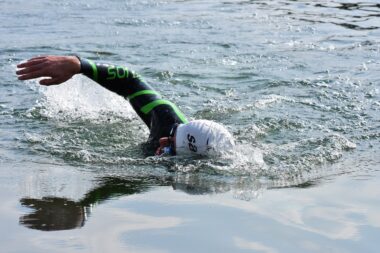

Mental Preparation for Training in Extreme Weather
Training for triathlons in extreme weather conditions presents unique mental challenges that require focus and determination. Participants need to mentally prepare themselves for changes in temperature, humidity, wind, and even rain. Understanding the specific weather conditions beforehand can significantly help athletes mentally prepare for the expected challenges. For instance, training in high temperatures may cause fatigue or heat stress, while colder climates require additional insulation and mindset adjustments. Mental preparation often involves visualization techniques where athletes can picture themselves successfully managing adverse conditions. Successful athletes often develop coping strategies that include positive self-talk, establishing routine, and focusing on controllable aspects of the training. Nutrition and hydration also play crucial roles in managing the physical impacts of weather extremes, which can indirectly influence mental resilience. Engaging in supportive social networks can also boost an athlete’s morale and confidence when facing adverse conditions. Lastly, maintaining flexibility in training plans enables athletes to adapt to weather changes without derailing their training progress, ensuring both physical and psychological readiness during challenging times. Developing mental strength is essential to thrive in conditions that might deter less prepared competitors, contributing to overall success in triathlon events.
In addition to prior preparation, learning to accept the discomfort caused by extreme weather is a significant aspect of mental readiness. When training in rain, heat, or cold, athletes must understand that discomfort can lead to improvement and resilience. Techniques such as controlled breathing and mindfulness can enhance concentration and help maintain focus, even amid unfavorable weather conditions. Practicing in varied weather settings cultivates a sense of familiarity with discomfort, allowing athletes to embrace different training scenarios. Moreover, embracing challenges can foster a strong mindset and lead to personal growth. It’s important for athletes to set realistic expectations and celebrate small achievements, such as completing a workout despite tough conditions. Tracking progress through journals can reinforce the positive aspects of training, providing motivation when conditions seem unfavorable. Being part of a supportive community can mitigate feelings of isolation, especially when tough training sessions lead to discouragement. Fellow athletes can share experiences, advice, and encouragement, which lightens the mental load. Engaging in group training can also contribute to enhanced morale and a sense of camaraderie.
Setting specific goals tailored to extreme weather conditions is another crucial part of mental preparation. Rather than viewing extreme environments as hindrances, athletes can frame them as opportunities for personal growth and enhanced performance. For instance, a training session in high humidity can be seen as a chance to improve endurance, while extreme cold can become beneficial for mental toughness. By establishing goals related to each weather type, athletes can maintain a positive mentality even when conditions are less than ideal. It is important to note that recovery periods must be incorporated into training, allowing the body to repair and adapt to stress from the conditions faced. Recovery provides an opportunity for athletes to reflect on their progress, adjust their mental approaches, and cultivate strategies for future sessions. Balancing training and recovery can significantly enhance overall performance. Continuing to push through discomfort, as well as having a support system in place, enables athletes to cultivate resilience and determination. Additionally, focusing on gratitude for the ability to train and improve, regardless of conditions, can foster a positive mindset.
Developing Resilience and Adapting
Resilience is key in enduring the mental challenges posed by extreme weather during triathlon training. Building mental resilience involves consistently pushing comfort zones and learning to adapt to varying conditions. Adapting means recognizing personal limits but also striving to exceed them when possible. External factors, such as weather, should not define the success of a training session. Mental acceptance of this fact can reduce anxiety and increase determination. This acceptance will come through practice and experience; athletes training in various conditions learn how to respond accordingly and effectively. Techniques such as goal-setting, visualization, and reinforcement through rewards can all assist in developing a mentally resilient approach. Understanding that even elite athletes face challenges can provide motivation to keep pushing through tough conditions. Athletes should remind themselves of their capabilities, looking back on previous experiences where they successfully trained under similar circumstances. Support from coaches and fellow competitors can also aid in building resilience by offering encouragement and constructive feedback. Lastly, mental fortitude often stems from positive self-talk and affirmations that reinforce the belief in one’s ability to succeed, even in less-than-perfect situations.
Another vital element in the mental preparation for extreme weather training is the importance of routine. Establishing a consistent training routine creates a comforting structure that can help athletes cope in dealing with unpredictable weather alike. Routines can include wake-up times, nutrition strategies, warm-up sequences, and even mental preparation techniques like meditation or visualization exercises. These elements contribute to creating a sense of normalcy and control, even when outside weather conditions fluctuate. Additionally, maintaining a routine fosters discipline and consistency, leading to better overall performance throughout the triathlon training season. Routine can also reduce pre-training anxiety as athletes know exactly what to expect. When disruptions occur due to weather conditions, flexibility should be incorporated, allowing adjustments to weekly plans while still adhering to core principles. Learning to maintain a degree of fluidity can reduce stress when plans change. It is essential that athletes be open to adapting their routines, such as shifting from outdoor to indoor training. Documenting responses to different weather experiences can help refine routines, ultimately enhancing confidence heading into race-day scenarios.
Emotional Regulation Techniques
Emotional regulation plays a critical role in managing the psychological impact of extreme weather during training. The ability to manage feelings of frustration, anxiety, or fatigue can directly influence performance. Athletes can benefit from learning emotional regulation strategies such as cognitive restructuring, where negative thought patterns are identified and reframed positively. By focusing on manageable aspects of weather—like adapting training gear or adjusting pacing—athletes can change their response to discomfort. Incorporating relaxation techniques like mindfulness, progressive muscle relaxation, or visualization can empower athletes to control their emotional states, especially during challenging sessions. Creating a personalized toolkit of emotional regulation techniques can help athletes regain focus and assert mental control during frustrating training moments. Regular practice of these techniques can enhance emotional literacy, allowing athletes to navigate challenges more effectively. Additionally, recognizing external factors beyond an athlete’s control, such as weather, reduces feelings of helplessness. Instead, focusing on actions they can control fosters a sense of empowerment and positivity. Ultimately, this fosters a productive training environment, enabling athletes to remain calm and concentrated even when weather conditions are less than ideal.
Lastly, post-training reflection on extreme weather experiences is crucial to summarizing accomplishments and lessons learned during sessions. Reflection enables athletes to identify effective mental strategies and coping mechanisms that worked well. Keeping a training log where mental and physical responses are recorded helps track performance patterns, promoting future preparation. Athletes can analyze what strategies helped overcome particular weather-related challenges or feelings of discomfort, using these insights to enhance future training sessions. Furthermore, regular reflections cultivate a growth mindset, where setbacks become learning opportunities, ultimately improving resilience and mental fortitude. Fine-tuning mental strategies based on reflective practice equips athletes better for upcoming triathlon competitions also. With the potential to develop greater confidence and mental strength, athletes can approach competition day feeling prepared, regardless of conditions they may face on the course. Emphasizing post-training reflection accentuates the importance of mental preparation in extreme weather. Each training session provides an opportunity to learn, grow, and adapt, ensuring athletes continue to thrive, regardless of the environment, on their journey through triathlon training.
In conclusion, mental preparation for triathlon training in extreme weather conditions encompasses various strategies fostering resilience, routine, and emotional regulation. Athletes who prioritize mental strength and adaptability will find themselves performing better in challenging environments when their physical capabilities are tested. One lesson stands out: the importance of embracing discomfort while using coping strategies effectively. By incorporating tools such as visualization, structured routines, and post-training reflections, triathletes can alleviate anxiety, find motivation, and nurture a positive mindset even in the harshest training conditions. The journey to becoming a strong competitor involves not only physical training but also cultivating mental toughness. Embracing this holistic approach ensures an all-encompassing development of skills, allowing athletes to face various weather scenarios head-on. Using mindfulness techniques and emotional regulation strategies will enable mental control amid challenges faced in nature. The goal should extend beyond mere resistance but also to thrive and grow amid adversity. Careful documentation and self-reflection will pave future training paths, enhancing overall performance quality. As athletes engage in this journey, they will find that mental preparation is equally as crucial as physical training, ensuring readiness for their personal best come race day.