
Mental Toughness: The Foundation of OCR
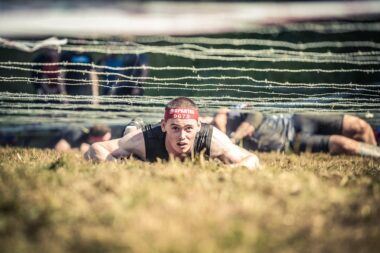
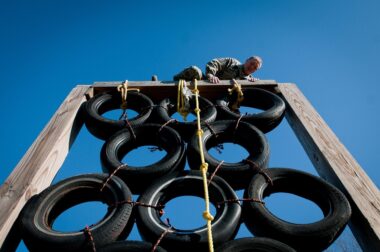
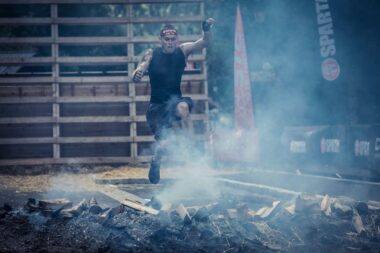
When it comes to overcoming challenges in Obstacle Course Racing (OCR), mental toughness is as vital as physical strength. It’s no secret that racing is grueling, both physically and psychologically. Mental resilience allows OCR athletes to persist through discomfort and fatigue. This characteristic impacts how well one performs; athletes who possess strong mental toughness maintain focus and composure even under the most stressful situations. It’s not merely the ability to endure pain but also the capacity to handle mental pressure on the course. Creating a robust mental strategy can make all the difference during a race. Training doesn’t solely focus on strengthening the body; it’s crucial to develop the mindset. Setting specific goals, visualizing success, and practicing positive self-talk are all techniques that can bolster mental strength. Incorporating these aspects into daily training will foster a mentality that thrives under the duress of competition. To engage in such preventive measures not only enhances athletic performance but also prepares racers for future challenges. Ultimately, a fortified mental state complements physical conditioning, leading to overall success.
Experiencing mental fatigue during a race is common. One’s perception of effort can multiply during these high-stakes scenarios. This is where mental toughness plays a critical role. Understanding how to control thoughts and emotions can unlock a more focused performance. Effective strategies for managing anxiety may include breathing exercises, mindfulness practices, and positive affirmations. Athletes can train their minds just as rigorously as their bodies. In fact, many elite racers participate in mental conditioning sessions, where they practice visualization techniques. This process enhances their confidence and prepares them for race day challenges. When competitors envision themselves successfully navigating obstacles, they are more likely to perform proficiently. Importantly, interaction with fellow athletes can provide additional encouragement. Sharing experiences, frustrations, and successes can create a supportive community, fostering growth. Self-discipline is necessary for building mental toughness; sticking to training regimens even when motivation wanes is key. Another aspect involves embracing failure, learning, and growing from it to build resilience. Incorporating these key elements leads to an athlete’s ultimate mental strength, which significantly impacts race outcomes and their approach to various obstacles.
The Role of Strength Training in OCR
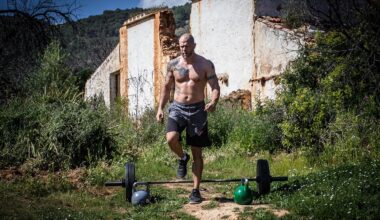
Physical strength and mental fortitude work cohesively in OCR. Strength training programs designed for obstacle course racers often emphasize functional movements that simulate race conditions. Elements of functional training such as kettlebell swings, pull-ups, and plyometric exercises build not only muscle but also the mental grit required for racing. This type of conditioning prepares competitors to tackle more challenging physical demands, which helps decrease the fear and anxiety associated with obstacles. Furthermore, these training sessions push athletes outside their comfort zones, fortifying both strength and mental resilience. Progressive overload can be applied in strength training to promote continued growth. As athletes incrementally increase weights or resistance, they learn how to manage increased difficulty. Dealing with these new challenges fosters a can-do attitude. Mental toughness is honed over time through consistent training. Incorporating routine strength assessments can also provide useful feedback, showcasing improvements in performance and the mental approach toward challenges. Celebrating every success, no matter how small, contributes to an athlete’s mental well-being and overall confidence when racing. Thus, a strong, well-rounded foundation significantly contributes to tackling every obstacle on race day.
Nutrition and Recovery: Supporting Mental Resilience
While training focuses on physical capabilities, nutrition and recovery are paramount for mental strength in OCR athletes. A balanced diet fuels the body and mind, aiding in both performance and recovery post-training. Consuming appropriate macronutrients can enhance cognitive function—critical for maintaining mental sharpness in competition. A solid intake of carbohydrates, proteins, and fats provides lasting energy and aids muscle repair, essential for optimal performance. Moreover, hydration cannot be overlooked. Proper hydration supports concentration levels and mood, both of which significantly affect performance. During long training sessions, athletes should pay attention to water and electrolyte balance. Additionally, sleep plays a crucial role in mental recovery. Insufficient sleep leads to impaired cognitive ability, negativity, and reduced motivation. Creating a regular sleeping pattern helps maximize physical recovery, which in turn reinforces mental preparedness. Another vital element is integrating active recovery sessions, including light movement such as yoga or stretching, to promote muscle relaxation and mental clarity. The combination of good nutrition, proper hydration, consistent sleep, and active recovery ensures athletes can maintain mental toughness throughout their OCR experiences, ultimately leading to their success.
Another key aspect of mental toughness is goal-setting for OCR training. Setting achievable, measurable, and time-bound objectives can provide clarity and direction. Both short-term and long-term goals serve to help maintain focus. In addition, tracking progress helps build confidence. When athletes witness their improvements, it reinforces their commitment to practice and enhances their mental grit. An effective goal-setting strategy involves outlining specific targets that challenge individuals while still being attainable. This dual approach fosters motivation and momentum. Monitoring and celebrating milestones, whether large or small, instills a sense of accomplishment. Conversely, evaluating setbacks to understand what can be improved further sharpens mental resilience. Athletes who learn from their mistakes are well-prepared for future encounters. Positive visualization techniques can also be implemented alongside goal setting, allowing competitors to clearly picture themselves achieving their targets. Engaging with coaches or training partners to discuss goals openly can create a stronger support system that helps fuel determination. In doing so, competitors are likely to embrace the unique challenges that an OCR presents. This methodology solidifies one’s mental preparedness for diverse obstacles on race day.
Community Support and Mental Toughness
Engaging within the OCR community is pivotal for fostering mental toughness. Surrounding oneself with like-minded individuals cultivates an environment of shared motivation and encouragement. Involvement can lead to valuable learning opportunities and new friendships that significantly enhance personal growth. Encouragement can take various forms, such as sharing advice, participating in group workouts, or featuring in local events. Community support can be a game-changer, especially when facing obstacles that seem overwhelming. When racers experience camaraderie, motivation surges, allowing them to push through difficult moments together. Mentorship is another powerful aspect of community support. Seasoned OCR participants often share personal stories, strategies, and coping mechanisms. Their insights help newcomers navigate the various challenges. Furthermore, local social media platforms allow racers to connect, join discussions, and seek advice for their specific circumstances. As individuals share their journey while working towards common collective goals, it strengthens bonds that can lead to successful outcomes. Ultimately, involvement in the OCR community enriches one’s training experience and contributes to the mental toughness needed to conquer both obstacles and personal doubts during races.
Maintaining a positive mindset is essential throughout the OCR journey. Life will inevitably present challenges, whether on or off the course; it is crucial to build resilience. Adopting a growth mindset enables athletes to make the most out of every experience, treating setbacks as learning opportunities. Positive self-talk can transform one’s perspective, helping athletes view challenges as chances for growth. Additionally, practicing gratitude can enhance overall mental strength; recognizing personal achievements and support systems provides motivation. Furthermore, diversifying training routines can help maintain enthusiasm. New experiences minimize monotony, rekindling passion. Embracing off-season training can provide additional opportunities to develop new skills and tackle weaknesses. Athletes should never underestimate the power of consistent reflection and self-assessment to improve. Regularly evaluating performance provides valuable insight, steering focus back on goals while reinforcing commitment. When challenges arise, maintaining perspective will significantly support mental toughness. Remembering why one started this journey is integral to maintaining dedication. Understanding that the race is as much about mental readiness as physical capabilities enhances confidence. Therefore, mental toughness forms a symbiotic relationship with strength training, creating OCR athletes who are equipped to face any challenge head-on.
Conclusion: Building Resilience for OCR Success
In conclusion, mental toughness is intertwined with physical strength in Obstacle Course Racing. Both attributes enhance each other, contributing to peak performance. Strategies for strengthening mental toughness encompass mindfulness, goal-setting, visualization, and community engagement, all fostering a strong mindset. This symbiosis between mental resilience and physical strength forms the foundation for conquering the challenges presented during OCR. A comprehensive training regimen should never neglect mental conditioning. Recovery inclusive of proper nutrition, hydration, and sleep is equally vital. Recognizing setbacks as learning opportunities and maintaining a positive mindset empowers athletes facing hurdles. Through consistent practice, goal-setting, and unwavering support from the community, athletes can nurture both their minds and bodies. Building this internal fortitude enables competitors to unleash their full potential during races. Ultimately, developing mental toughness isn’t merely about racing; it’s a broader approach to facing life’s challenges and emerging stronger. As OCR athletes continue to push physical boundaries, they also cultivate invaluable skills for everyday resilience. Through fostering a growth mindset, racers can ensure success in every obstacle they face, developing a well-rounded approach to strength and conditioning for OCR.