
Personalized Coaching Wearables vs. Traditional Fitness Apps
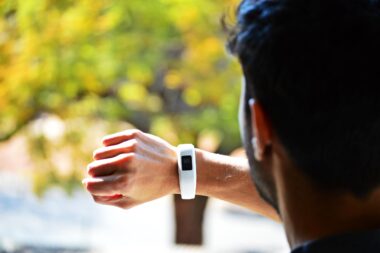
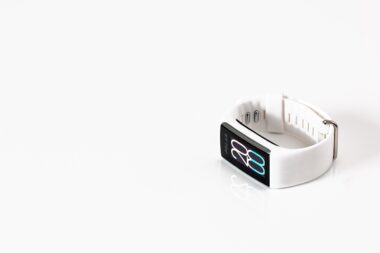
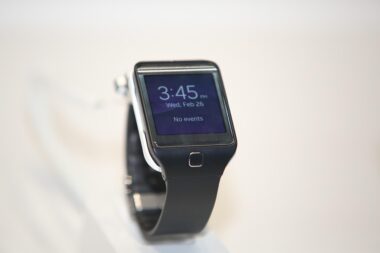
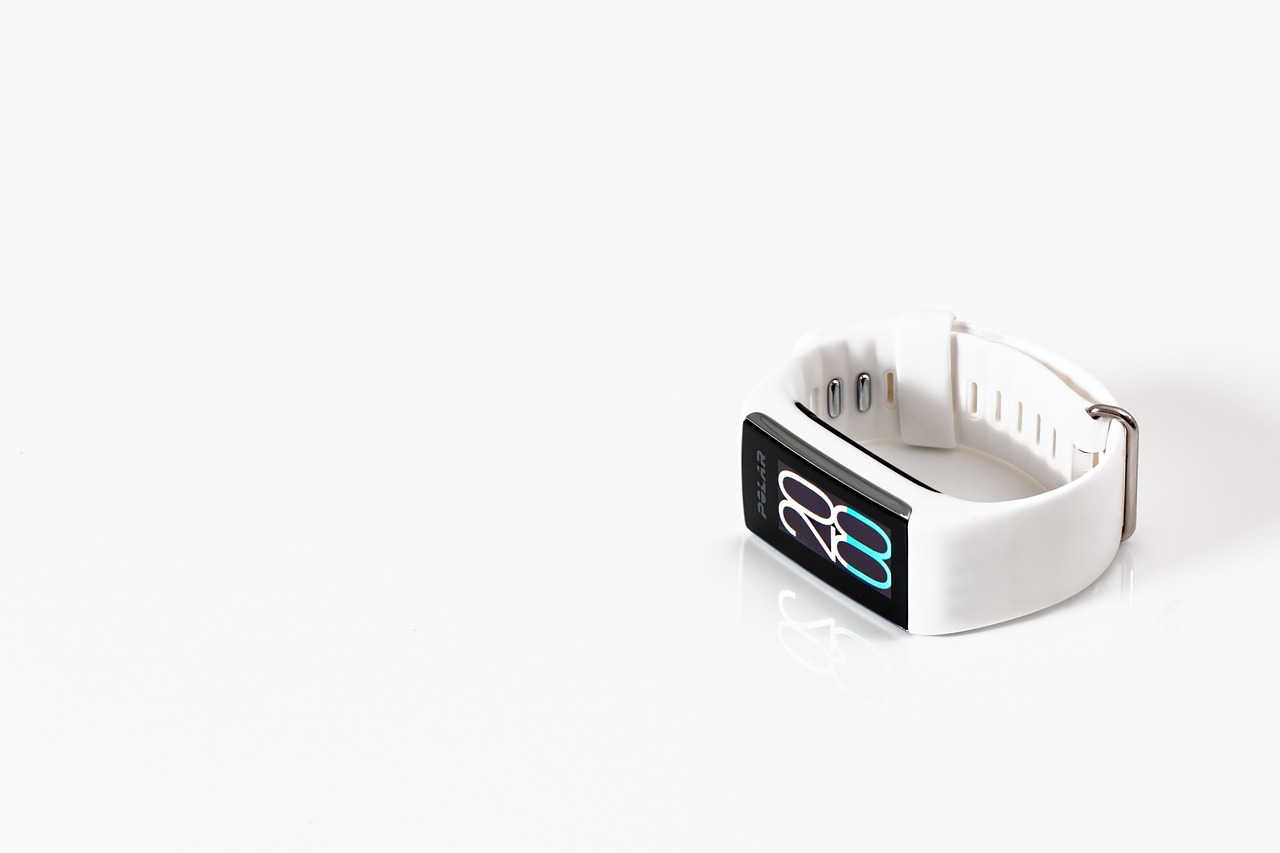
In recent years, technology has revolutionized the fitness landscape, particularly through personalized coaching wearables. These devices have integrated features that significantly enhance an individual’s workout experiences. Wearables, like fitness watches and smart bands, offer real-time feedback on performance metrics such as heart rate, calories burned, and steps taken. This level of monitoring enables users to maximize workout efficiency and effectiveness. In contrast, traditional fitness apps typically lack such immediate guidance, relying instead on user input and pre-set exercise routines. Consequently, these apps may not always cater to the specific needs of each individual. For instance, a wearables device can adjust coaching prompts based on how the user responds during a workout session. Customization in this way can empower users to push past their limits while ensuring their safety. Moreover, the data collected over time with wearables allows for tailored training plans, optimizing goals according to individual progression, unlike static fitness apps. Ultimately, personalized coaching wearables offer a more holistic approach to fitness, which traditional apps struggle to achieve.
Benefits of Personalized Coaching Wearables
The rise of personalized coaching wearables has brought about numerous advantages for fitness enthusiasts. First, these devices often include integrated heart rate monitors, which provide accurate health metrics throughout workouts. Real-time tracking ensures users remain in their desired heart rate zones for optimal fat burning and cardiovascular health. Second, wearables often feature GPS systems that allow outdoor joggers or cyclists to map their routes and analyze their performances. This detailed information can motivate individuals to set new distance records and challenge themselves. Furthermore, personalized feedback encourages adherence to fitness regimes by adjusting goals based on performance analytics. Users may receive alerts to maintain their workout intensity or modify exercises for enhancing effectiveness. Additionally, many wearables now sync with mobile apps, offering further opportunities for engagement such as challenges with friends or virtual races. Such community aspects can increase motivation, making workouts more enjoyable. Moreover, fitness wearables can contribute to better mental health by promoting accountability and encouraging a balanced lifestyle. Overall, personalized coaching wearables not only optimize workouts but foster long-lasting healthier habits.
On the other hand, traditional fitness apps also present their unique set of advantages, especially appealing to users who favor autonomy over guided instruction. These apps generally provide a broader selection of workouts compared to wearables, encompassing a variety of categories such as yoga, strength training, and cardio exercises. Users can select programs based on personal preference rather than adhering to a device’s pre-set guidance. Furthermore, traditional fitness apps often link with social media platforms, allowing users to share achievements or compete with friends directly. This increased social interaction fosters motivation and accountability, two critical factors for workout consistency. Additionally, many of these apps are freely available or have low subscription fees, making them accessible to a broader audience. Moreover, users also have the ability to customize their workout routines extensively, allowing flexibility in creating personalized schedules fitting their unique lifestyle. However, this freedom can also lead to underperformance, as not all users are trained to optimize workouts for specific results. These dynamics make traditional apps appealing alongside the guided nature of personalized coaching wearables.
Real-Time Feedback and Adjustments
One significant difference between personalized coaching wearables and traditional fitness apps is the aspect of real-time feedback. Personalized coaching wearables can relay data instantly, keeping individuals informed about their current performance versus their goals. This immediate response can encourage users to adjust their intensity to match desired workout zones effectively, promoting a more productive exercise experience. In contrast, traditional fitness apps typically require users to engage with their smartphones at intervals, which can interrupt workouts and lead to inaccuracies in data collection. The physical disconnect of having to consult a screen hampers the continuous flow of the workout. Wearables, conversely, are designed for seamless interaction, allowing users to receive prompts without interruption. Moreover, some sophisticated devices even have the ability to learn a user’s habits over time, progressively refining coaching based on past performance. As users engage with their wearables, they are gradually exposed to workouts tailored specifically for their progress. Such an adaptive approach helps maintain motivation and can lead to faster achievement of fitness goals, showcasing the significant advantages over traditional app platforms.
Another notable distinction lies in the tracking capabilities and data analysis provided by wearables versus traditional fitness apps. Wearable devices usually collect a wide range of data including sleep patterns, daily activity levels, and specific workout statistics. This information paints a comprehensive picture of the user’s daily habits and overall health, allowing for individualized coaching. Subsequently, users can make informed decisions to optimize not just their workouts, but their overall health and wellness. Traditional fitness apps primarily focus on logging workouts, potentially leaving users uninformed about their sleeping or daily activity habits. For many individuals, understanding how rest and overall daily activity impacts workout results can be crucial to achieving fitness milestones. Furthermore, wearables provide personalized coaching based on collected data, leading to customized recommendations for improvement. This level of personalization is often absent in fitness apps which tend to offer generalized advice. Users may appreciate the detailed insights offered by wearables, enabling them to understand their bodies better. Overall, the depth of analysis from wearables stands as a crucial element in enhancing fitness journeys.
Connectivity and Integration
Connectivity and integration are essential factors when comparing personalized coaching wearables with traditional fitness applications. Wearables generally boast the advantage of syncing seamlessly with various tech devices and platforms. Many wearables connect with smartphones, health apps, and even smart home devices, creating an integrated ecosystem aimed at improving overall well-being. This connectivity allows users to centralize their health data, making it easier to monitor progress over time. Furthermore, depending on the device, users might even receive social notifications, messages, or calendar reminders without disrupting their workout sessions. In contrast, most traditional apps rely on users manually inputting information to track progress, which can lead to errors and inconsistencies. Moreover, traditional apps may lack the advanced technological interfaces available in wearables, which can enrich the user experience. The ability to effortlessly monitor multiple health parameters encourages users to engage consistently with their fitness journeys. The enhanced integration offered by personalized coaching wearables creates a holistic approach to fitness, ensuring all aspects of health are addressed rather than just focusing on workout routines.
Despite their differences, it is essential to recognize that personalized coaching wearables and traditional fitness apps can complement each other in a user’s fitness journey. By leveraging the strengths of both platforms, individuals can optimize their workouts while enjoying the convenience and flexibility of fitness apps. Many users might begin with a traditional fitness app to explore various workout types, identifying what resonates with them before upgrading to a wearables device for more intensive training. The combination of satisfaction from traditional apps and the structured coaching of wearables can create an optimal environment for personal growth. Users might also use wearables during the week for more rigorous training and switch back to traditional apps on weekends for recovery sessions. Moreover, communities formed around these applications can provide additional motivation and support, cementing users’ commitment to their fitness goals. This synergy can help users maximize their results by ensuring that they have access to both immediate coaching and comprehensive workout options tailored to their individual preferences. Ultimately, utilizing both avenues provides a balanced fitness experience.
In conclusion, the debate between personalized coaching wearables and traditional fitness apps highlights the evolution of our fitness experiences. Wearables present significant advantages with real-time feedback, customized coaching, and data tracking capabilities, allowing for more effective workouts. However, traditional fitness apps cultivate an environment of autonomy, accessibility, and community engagement, appealing to those who prefer flexibility. The ideal approach might involve using both platforms to benefit from their individual strengths, catering to unique fitness needs. As the fitness technology landscape continues to evolve, embracing the full spectrum of available tools will enhance user experiences while fostering healthier lifestyles. Ultimately, the choice between wearables and traditional apps may come down to personal preferences, fitness goals, and how users prefer to interact with technology. The past highlights a trend towards personalization and enhanced user engagement, indicating that the future of fitness technology will likely prioritize these features. Adopting various tools can optimize one’s fitness journey, ensuring motivation and adherence in achieving lasting and meaningful results.