
Recovery Protocols That Help Prevent Future Sports Injuries
Preventing sports injuries requires a structured approach to recovery and rehabilitation. Athletes need protocols that focus on overall wellness. Firstly, establishing a solid warm-up routine helps prime the body for intense physical activity. Dynamic stretches, light jogging, and sport-specific drills are effective tools for this. Secondly, post-activity cooldowns play a vital role. Implementing static stretches can alleviate muscle tightness. Recovery involves not just physical activities but also proper nutrition. Consuming protein-rich foods aids muscle repair, while hydration is crucial. Ensuring adequate fluid intake prevents cramping and enhances overall performance. Additionally, mental preparedness is significant. Visualization techniques can prepare athletes for their next performance while reducing anxiety. Crosstraining is another useful strategy. By engaging with varied activities, you condition different muscle groups, minimizing fatigue and injury risks. Athletes should also schedule regular check-ins with healthcare professionals, identifying areas for improvement. Having dedicated professional supervision during training sessions will enhance safety measures. Remember, recovery is a continuous process and adapting to changing physical demands is vital. Establishing these protocols will support long-term athletic success.
Importance of Strength and Flexibility
Another crucial aspect in preventing sports injuries is maintaining both strength and flexibility. Muscle imbalances often lead to injuries; therefore, focusing on strength training is essential. Specific exercises targeting core, legs, and arms build up muscle mass, providing stability. These routines need to integrate not just resistance training but should also ensure compound movements for better results. Furthermore, flexibility cannot be neglected. Stretching techniques, yoga, and Pilates can improve range of motion, which protects athletes against potential injuries caused by tightness. It’s wise to create a balance between strength so that no single muscle group becomes overdeveloped. Also, having flexibility in joints allows better adaptability during sudden movements. Evaluating one’s flexibility at regular intervals may highlight aspects needing improvement. Incorporating recovery days into training schedules allows muscles to rebuild, reducing injury risks. Adequate rest prevents the cumulative stress effect of workouts over time. Remember, the pursuit of fitness is not just about heavy lifting; it’s about longevity in sports. The journey must consider the balance of strength and flexibility to form a solid foundation.
Nutrition plays an indispensable role in recovery and injury prevention. Assessing dietary habits ensures that athletes are consuming adequate amounts of carbohydrates, proteins, and fats. Carbohydrates fuel workouts, replenishing energy stores afterward. Meanwhile, proteins assist in muscle recovery, making them essential post-exercise. Creative meal planning incorporating whole foods can deliver necessary nutrients. This means avoiding processed foods that might impede recovery. Additionally, vitamins and minerals are relevant, supporting immune function and overall health. Regularly incorporating fruits and vegetables into meals is vital, ensuring proper micronutrient intake. Supplements can complement diets, although it’s crucial to consult with healthcare providers before commencing any supplement regimen. Omega-3 fatty acids, for example, have been notorious for their anti-inflammatory properties. This can help alleviate strain and discomfort in muscles and joints after vigorous exercise. Lastly, athletes must remain vigilant about fluid intake; dehydration may severely diminish performance. Incorporating electrolyte drinks can be beneficial, especially during intense training sessions or competitions. Having a tailored nutritional plan not only maximizes performance potential but significantly minimizes risks associated with injuries.
The Role of Rehabilitation Programs
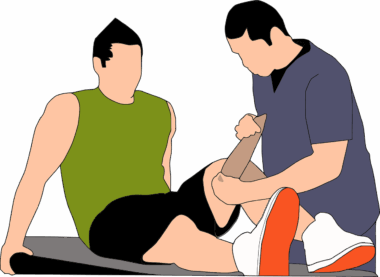
When an athlete sustains an injury, a comprehensive and well-structured rehabilitation program is essential. Such programs focus on gradual recovery, helping individuals regain strength and mobility specific to their sport. The initial phase often emphasizes immobilization of the affected area, allowing for natural healing. Following that, physical therapy sessions should be designed to restore range of motion and prevent stiffness. This is an opportunity to work closely with physiotherapists who provide guided exercises tailored to individual needs. Integrating gradual loading exercises into rehabilitation ensures muscle conditioning prepares for more intense activities. Athletes learn to recognize their limits while avoiding re-injury risks. A crucial aspect incorporates functional training, simulating sports scenarios that promote confidence. Another essential element is the psychological aspect of recovery; athletes may experience fear or anxiety about returning to their sport. Mental health professionals can aid in overcoming these barriers, leading to a successful return. Communication with coaches and teammates also helps in understanding progress, making the return less intimidating. Thus, creating a strong, positive support network is vital for effective rehabilitation.
Incorporating technology in recovery practices enhances monitoring and feedback. Athletes can benefit from wearable devices that track movement, heart rate, and other vital parameters. This technology ensures real-time assessments, allowing personal adjustments to training regimens. The data collected indicates fatigue levels and stress on specific muscle groups, helping avoid overexertion. Furthermore, technologies such as virtual reality have entered rehabilitation, on the rise for improving coordination and balance during recovery. Gamified exercise routines can stimulate engagement while focusing on specific needs. Regular assessments allow for progress tracking while adjusting rehabilitation protocols as necessary. Engaging actively in data-driven recovery helps athletes maintain accountability. Access to professionals through telemedicine also provides ease of communication regarding recovery queries. Routine assessment appointments ensure recovery is progressing without setbacks. This approach incorporates a more adaptable methodology in sports rehabilitation. Moreover, athletes should embrace self-care practices alongside technology. This includes adequate sleep and mindfulness techniques as part of an overall recovery strategy. Proper recovery doesn’t merely happen; it necessitates commitment, awareness, and utilizing modern practices effectively.
Continuous Education and Self-Awareness
Education about sports injury prevention is crucial for athletes looking to minimize risks. Regular workshops or seminars can keep athletes up-to-date with the latest rehabilitation methods and preventative practices. Learning from health experts about proper form and technique enhances physical performance, lowering injury probabilities. Self-awareness is another necessary component; recognizing body cues helps athletes understand when to take breaks. Training diaries or reflective journals serve beneficial roles in tracking training loads, symptoms, and recovery status. This awareness can guide adaptations to routines based on observed physical responses. It’s vital for athletes to listen to their bodies, as ignoring pain may lead to further injuries. Encouraging a culture where discussing physical health among athletes is normalized fosters openness and support. By engaging with a network of peers, athletes can share experiences, strategies, and resources that aid recovery. Furthermore, maintaining engagement with coaches ensures feedback loops allow for adequate adjustments during training sessions Enhancing education not only empowers athletes but encourages a proactive approach to wellness. Implementing these structured education initiatives alongside self-awareness practices safeguards athletic longevity.
In summary, understanding recovery protocols that prevent future sports injuries incorporates multiple strategies. Athletes need to be proactive in their preparation, focusing on strength, flexibility, and nutrition. Incorporating comprehensive rehabilitation programs when injuries occur ensures successful, gradual recoveries. Utilizing technology and maintaining continuous education are essential elements of the process. These methods lay the groundwork necessary for developing an athlete’s career while reducing the risk of injuries. Building cohesive structures that promote awareness and educate athletes about risks is paramount. Furthermore, fostering open communication within training environments allows athletes to feel supported during their journey. All these elements collaborate to create a holistic approach to injury prevention, allowing athletes to thrive. Additionally, encouraging mental preparedness and emotional readiness will contribute to overall success. While nobody can predict injuries entirely, employing these strategies maximizes the potential for a fulfilling career in sports. Athletes must view their physical health not merely as a responsibility but as a foundational aspect of their sport. Adopting these recovery protocols will ensure sustained performance and prolonged athletic involvement.