
The Rise of Artificial Intelligence in Wearable Fitness Technology
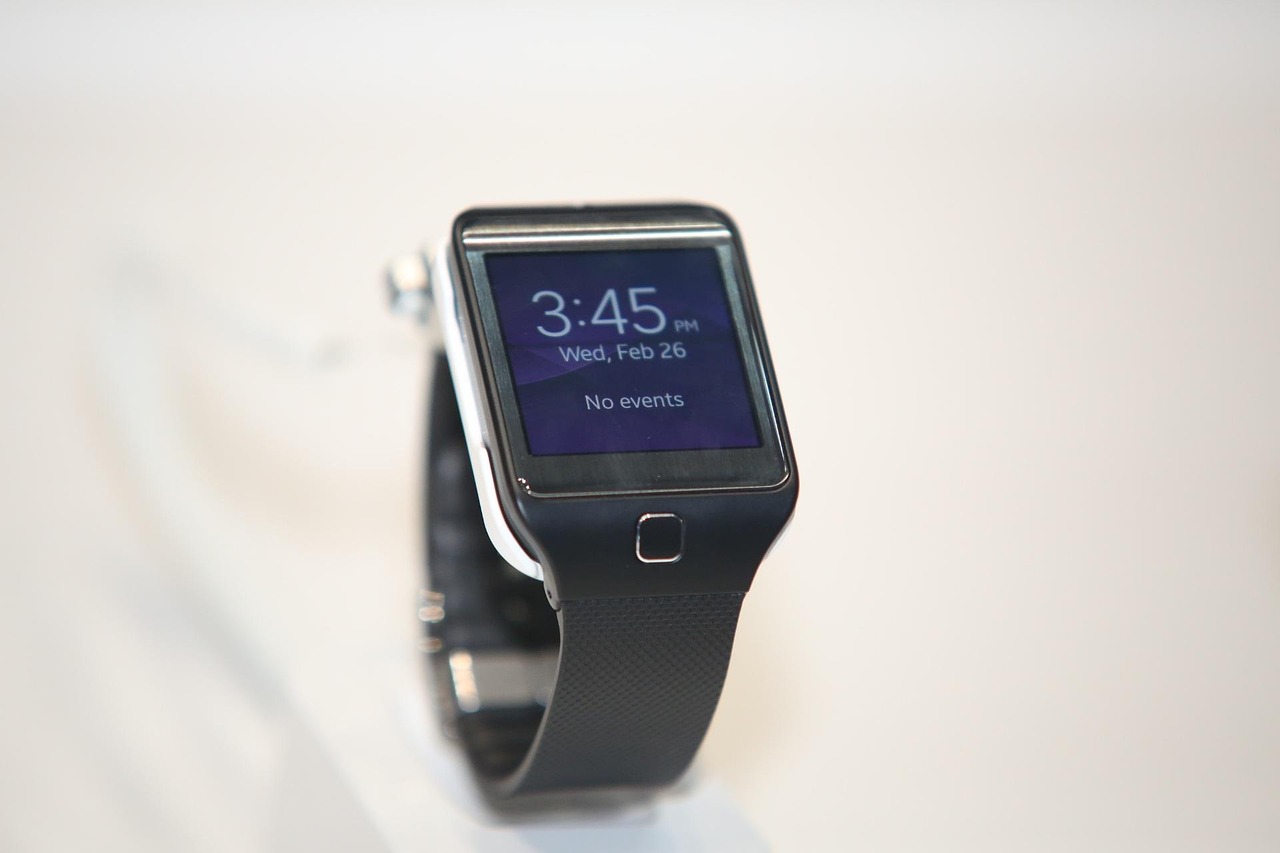
As we witness advancements in technology, artificial intelligence (AI) has permeated various sectors, especially fitness technology. Wearable fitness devices are becoming increasingly intelligent, adapting to user behaviors and preferences. With sensors and data analytics embedded in smartwatches and fitness bands, users can now monitor their health and performance metrics more accurately than ever before. These devices provide real-time feedback, which is crucial for individuals seeking to improve their exercise routines. Some wearables even integrate AI to create personalized workout plans based on individual fitness profiles. This evolution is rooted in the need for data-driven insights in physical activity, leading to a more effective and personalized fitness approach. AI enhances the ability of wearables to learn a person’s habits, optimizing training programs and recovery schedules. By harnessing this information, users can achieve their fitness goals more efficiently. Additionally, wearables equipped with AI can analyze heart rate variability, sleep patterns, and even stress levels, providing holistic health monitoring. In this vibrant landscape of technological innovation, the role of AI in wearable fitness technology cannot be overstated.
The integration of AI in fitness wearables also emphasizes motivation and engagement. Many devices now utilize machine learning to analyze user data and provide timely encouragement based on performance trends. For instance, when a user is lagging in their workout engagement, the AI system can send motivational reminders or suggest alternative activities to keep them active. This personalized interaction is vital for maintaining consistency in fitness routines. Furthermore, the AI capabilities extend to social features; wearables can connect users with friend challenges, fostering a sense of community and accountability. Sharing progress on social media platforms is also supported, inspiring others to join fitness journeys. Innovative AI algorithms in these wearables help deliver insights driven by statistical data, increasing users’ understanding of their patterns and helping them set achievable goals. Think of it as having a personal coach guiding you towards health objectives. Training methods and nutrition guidance are also personalized based on active data, which keeps plans fresh and exciting. The infusion of AI in fitness technology truly transforms the way individuals interact with their wellness journeys.
Enhanced Data Analysis for Better Performance
Wearable technology empowered by AI provides unprecedented insights into user performance through advanced data analysis. When using these devices, users can access detailed reports on their physiological metrics, such as heart rate, oxygen levels, and calorie burn. This level of detail enables users to understand their bodies’ responses to different types of workouts. AI algorithms analyze this information in real-time, allowing wearables to suggest adjustments in workout intensity or duration to optimize results. Over time, continuous analysis makes it easy to track improvements and recognize patterns that contribute to success or setbacks. Additionally, data can often be synced with various health and fitness applications, aggregating information into centralized platforms for deeper insights. Users can compare their performance metrics with previous workouts, such as tracking running distances or lifting variances. It also brings insights to injury prevention, with early warnings if a workout pattern suggests overtraining. The longevity of these analytics keeps users engaged and committed as they can visually witness their improvements, enhancing motivation to stay fit. These layers of data allow for a truly personalized fitness experience.
The application of AI in wearable fitness technology also brings health monitoring to another dimension. Wearable devices are not just about tracking workouts; they play a crucial role in monitoring health conditions. AI algorithms can identify patterns that may indicate potential health concerns, such as irregular heart rhythms or elevated stress levels. When these issues are detected, users can be alerted, prompting preventative actions or consultations with healthcare providers. Furthermore, the health monitoring capability extends beyond physical fitness; mental wellness features are becoming more integrated into these devices. Some wearables track stress levels and provide breathing exercises or mindfulness techniques tailored to user needs. This all-important holistic approach considers both the mental and physical facets of health. Users find that incorporating mental wellness practices into their fitness routines can heighten their overall health outcomes. AI’s ability to process complex signals and provide actionable insights in accessible formats makes wearables indispensable tools. Understanding emotional well-being while managing physical fitness is becoming a standard expectation from modern wearables.
The Future of AI in Fitness Wearables
Looking forward, the future of AI in wearable fitness technology appears promising and transformative. As algorithms become more sophisticated, we can anticipate an increase in predictive capabilities, allowing wearables to foresee activity trends and outcomes. For example, upcoming AI technology may suggest specific fitness routines based on a user’s past performance and current health metrics. Additionally, advancements in connectivity and data sharing will enhance the collaborative capabilities of wearables. Fitness professionals will access shared data to offer more personalized training experiences, bridging the gap between technology and human expertise. The integration of virtual and augmented reality elements may reshape how users engage with fitness activities, turning mundane routines into immersive experiences powered by AI recommendations. Moreover, as more users embrace fitness wearables, the data pool will grow, improving machine learning algorithms that fuel personalized insights. Ethical considerations regarding data privacy will also shape future innovations, prompting businesses to prioritize user consent and information security. Expectations for these wearable devices continue to evolve, underscoring the necessity for responsible advancements while harnessing the benefits of AI in fitness technology.
In conclusion, the rise of artificial intelligence in wearable fitness technology marks a significant evolution in how individuals approach health and wellness. With AI-driven smart devices, users can now orchestrate their fitness journeys based on accurate and timely data. Personalization is at the heart of these technological advancements, catering to unique fitness levels, preferences, and goals. The dual focus on physical and mental health sets the foundations for a comprehensive fitness regime. This technology makes it easier to stay engaged, promoting accountability through social interactions and real-time coaching. Looking ahead, continuously enhancing machine learning applications has the potential to revolutionize the fitness landscape further. As users become increasingly conscious of their health, the demand for more sophisticated wearables will likely rise. Future innovations in this domain promise not only to improve user experience but also to contribute positively to public health initiatives. Education around healthy habits and lifestyle choices will further benefit from these advancements, fostering a culture of fitness empowerment. As AI continues to integrate into wearables, it paves the way for not only better fitness tracking but smarter health management overall.
The impact of artificial intelligence in wearable fitness technology is not only substantial but also multifaceted. Users are enjoying tailored experiences as wearables cater to their individual fitness journeys. Enhanced engagement through motivating feedback, community support, and personal coaching provides a way forward in the fitness world. These products increasingly serve as health monitoring systems, offering insights that can help to identify potential health issues early. As wearables learn from users and refine their analytics, they will offer more effective and targeted health solutions. Integration with health professionals can improve user outcomes through collaborative insights. The merging of physical fitness with mental wellness is also a notable development, creating a comprehensive approach to this interconnected aspect of health. Manufacturers are poised for continued experimentation, leading to innovative product features and functionality enhancements. However, balancing access with privacy protection remains an essential concern going forward. Overall, the continued progress of AI in wearable fitness technology is shaping an exciting, healthier future. Users can expect smarter devices, culminating in transformational changes to how they perceive and manage their health and fitness.
In closing, the evolution of AI in wearable fitness technology has opened doors to a myriad of possibilities for healthier living. It empowers individuals by providing insights into their physical and mental states and offers a proactive stance toward health management. The dynamics of social features and community engagement have strengthened the sense of belonging among users, boosting motivation. Given the trajectory of innovation in wearable technology, expectations for upcoming devices are boundless. Newer technologies promise even more features that embrace the importance of personalization while contributing to overall wellness. This positive trend indicates a significant shift in public awareness regarding health management and the role technology plays in that journey. The dialogue between users and devices will continue to evolve alongside responses from manufacturers seeking to align with consumer needs. With AI integrated at its core, the convenience and innovation offered by wearable technology will invigorate health and fitness cultures globally. As we embrace these advancements, it is essential to recognize the responsibility that comes with using our data. Future developments will strive to enhance user experience while ensuring a commitment to ethical practices and data security.