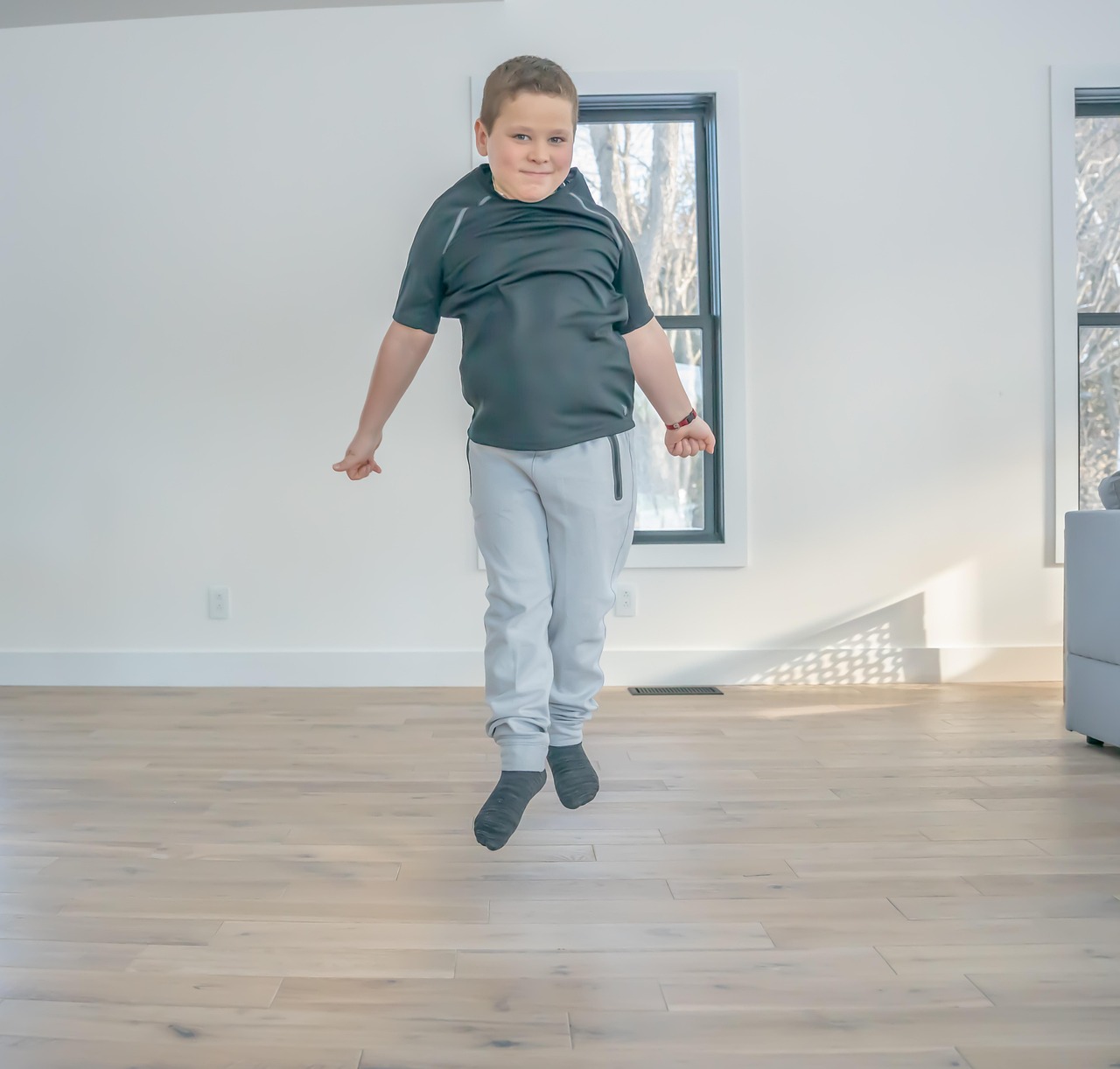

Understanding Different Fitness Needs for Boys and Girls
When considering fitness for children, recognizing the distinct needs of boys and girls is essential. The development phases for boys and girls vary, from hormonal changes to physical growth patterns. Boys typically exhibit more muscle mass and might be inclined towards strength training, while girls often excel in flexibility and endurance activities. This distinction is influenced by biological and psychological factors. For instance, it is essential for parents to guide their children towards activities that suit their strengths while also encouraging mixed-gender sports for balanced development. Engaging kids in a variety of activities can enhance their overall fitness and foster teamwork and cooperation among different genders. Strengthening both physical and social skills is key as they grow. It’s also beneficial for children to understand the concept of self-care through fitness, emphasizing the mental aspects of wellness alongside physical exertion. Different fitness programs can cater to the varied interests of boys and girls, thus promoting a healthier lifestyle. Parents play a significant role in mentoring their kids’ fitness journeys, helping them find passion in various sports or activities that align with their strengths and preferences.
Choosing the right physical activities for children can align their interests with developmental benefits. Research indicates that engaging in regular physical activity helps not only improve physical health but also enhances cognitive function and emotional well-being. Boys may gravitate toward more competitive sports such as football or basketball, which foster teamwork, while girls might enjoy gymnastic classes or dance that emphasize grace and flexibility. Combining aerobic activities with strength training can be advantageous for both genders, helping to develop balanced fitness levels. Additionally, parents are encouraged to promote activities that are less competitive, focusing on fun rather than pressure. Activities like swimming, cycling, and family hikes provide great opportunities for bonding and exercise without the stress of competition. It’s essential for parents to communicate the importance of regular exercise, making it a family affair where everyone participates together. Observing kids in their chosen activities can provide insight into their preferences, ensuring development stays aligned with their interests. By fostering a positive fitness environment, parents can help cultivate a lifelong passion for health and wellness in their children, regardless of gender-related differences.
Building Confidence Through Physical Activities
Building confidence in children through fitness activities is crucial for their development. When kids learn new skills and achieve goals, they gain a sense of accomplishment that boosts their self-esteem. This is true for both boys and girls, although the paths may vary slightly. Boys may find increased confidence in strength-based activities such as martial arts, while girls might thrive in dance or team sports. Encouraging kids to set personal fitness goals, whether it’s mastering a new move or increasing endurance, can create a sense of purpose. It’s important that parents celebrate these achievements, regardless of how small they may seem. By fostering an atmosphere of support, children are likely to feel more empowered to try new activities and push their limits. Positive reinforcement can make a significant difference in how children approach fitness challenges. Group fitness classes can also be beneficial, providing camaraderie and motivation among peers. For parents, demonstrating active participation can exemplify the importance of physical health and encourage children to embrace fitness as a lifelong journey.
As children grow, their interests in different types of fitness activities may also evolve. It is essential for parents to stay engaged and adaptive to their children’s shifting preferences. While some kids may start prefering organized sports, others could lean toward leisure activities such as hiking or biking. Parents can play a vital role by introducing their kids to various fitness options and remaining open-minded. Exploring different environments, such as parks, gyms, or sports academies, can help children feel more comfortable and confident in their fitness journey. Creating opportunities for peer interactions is equally important, as social dynamics greatly impact children’s willingness to participate in activities. Understanding each child’s unique personality can aid in selecting activities that resonate with them. Positive peer influences can help kids try new sports or join clubs that align with their interests. Encouraging balanced participation minimizes the impact of gender stereotypes in fitness. Ultimately, focusing on enjoyment rather than pressure can promote a sustainable approach to overall wellness, ensuring kids remain active throughout their lives.
The Role of Nutrition in Fitness
Nutrition plays a significant role in children’s fitness and overall well-being. A balanced diet ensures that kids have the energy they need for physical activities while supporting their developing bodies. Exposure to different food groups, including proteins, carbohydrates, fruits, and vegetables, is crucial in meeting their nutritional needs. Parents should prioritize education about healthy eating habits, combining this with physical activities to instill a comprehensive understanding of health. Proper hydration and nutrition can significantly enhance performance in both boys and girls during sports. Parents can help by involving children in meal planning, making healthy eating fun and engaging. Cooking classes or grocery shopping trips with parents can provide essential learning experiences. Establishing good eating habits early on can yield long-term benefits, reducing the likelihood of health issues later in life. Collaborative family meals offer an excellent platform for promoting nutrition education while also encouraging discussions about fitness. With a focus on wholesome foods, parents can fuel their children’s passion for physical activities, enhancing both physical performance and overall wellness.
Moreover, incorporating children in physical activities promotes social skills beyond just fitness. Through participation in sports or group exercises, kids learn essential team-based skills, including collaboration, communication, and empathy towards others. These social skills are vital for their personal development and influence their interactions outside the realm of fitness as well. Team sports, whether soccer for boys or volleyball for girls, provide an excellent framework for learning cooperation. Through challenges faced in these environments, children can build resilience and confidence. Moreover, participation in mixed-gender activities can break down stereotypes and foster mutual respect. It is imperative for parents to recognize the enduring values gained through fitness activities, as they resonate throughout their children’s lives. Providing diverse opportunities for children to interact with peers allows them to grow emotionally and socially. Parents can actively encourage friendship-building through exercise, supporting children in discovering shared interests. Ultimately, promoting a positive atmosphere, where kids can share fitness experiences together, will help strengthen their relationships and teach valuable life lessons.
Conclusion: Creating Positive Fitness Environments
In conclusion, tailoring fitness activities to meet the diverse needs of boys and girls is essential for fostering a healthy lifestyle. Parents play a critical role in encouraging active participation, offering support, and providing opportunities for exploration. By understanding the differences in interests, strengths, and development stages among children, parents can guide them toward suitable activities. Creating positive environments for fitness experiences not only enhances physical health but also nurtures social, emotional, and mental well-being. This holistic approach to fitness promotes lifelong habits that extend beyond childhood. Prioritizing fun, connection, and encouragement can facilitate children’s passion for health and wellness. As they navigate their unique fitness journeys, the emphasis on individuality should remain paramount. Parents can also advocate for inclusivity in fitness programs, ensuring children feel valued in whatever they pursue. Through their support, children can overcome barriers and thrive within any activity. Ultimately, a focus on enjoyment, well-being, and personal development will foster resilient, healthy individuals prepared to embrace active lifestyles now and in the future.
In summary, equipping children with the necessary tools for a successful fitness journey, including nutrition education and positive reinforcement, ultimately leads to a well-rounded approach to health. Encouraging children to pursue their passions while providing them with opportunities to learn and grow through different activities will empower them. Recognizing and embracing the various ways boys and girls engage with fitness ensures an inclusive and enriching environment. Research highlights the importance of physical activities in aiding children’s cognitive development, reinforcing the vital role that fitness plays in their overall growth. By fostering resilience and self-efficacy through fitness, children can build valuable life skills that extend far beyond sports or exercise. The incorporation of family engagement can further amplify the benefits of these fitness endeavors, strengthening familial bonds and shared health goals. It is the responsibility of parents to maintain a watchful eye on their child’s interests and needs, adapting their approach accordingly. In doing so, they can timelessly nurture healthy habits that empower children to thrive both in fitness and life, creating lasting memories and experiences centered around joy and well-being.