
Utilizing Outdoor Environments in OCR Training Camps
Obstacle course racing (OCR) has gained tremendous popularity in recent years, integrating various physical and mental challenges for participants. The outdoor environment provides a unique and dynamic training ground for athletes, offering natural obstacles and terrain variations that simulatively replicate race conditions. Utilizing outdoor spaces encourages participants to adapt to various elements like weather and terrain, enhancing their agility, strength, and endurance. Natural features such as hills, trees, and streams can be incorporated into training sessions, ensuring a more engaging experience. Moreover, the social aspect of training in open environments fosters camaraderie among participants as they tackle challenges together, enhancing the community aspect of OCR. Camps designed around these principles can attract a diverse audience, ranging from beginners to seasoned athletes. They are encouraged to learn from each other while improving their skills and fitness levels. Interested individuals can find more information about OCR camps by visiting specialized websites or local training centers. Outdoor OCR training camps can also offer workshops led by experienced trainers, which focus on techniques to tackle specific course challenges while creating lasting memories for all participants.
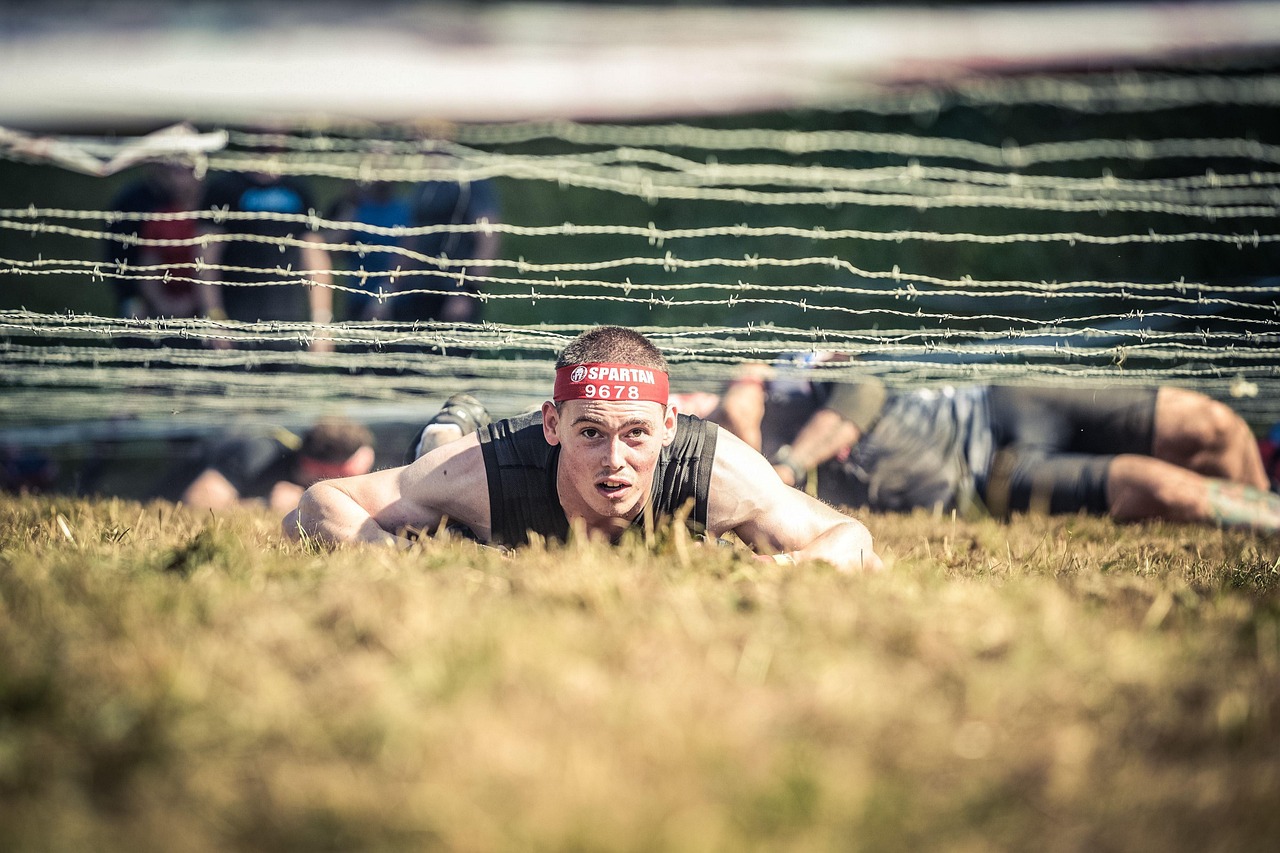
Effective training for obstacle course racing requires understanding the unique demands of the sport and the advantages of outdoor environments. The undulating terrain, varying weather conditions, and natural features should be embraced as key elements in training programs. Participants can enhance their resilience and mental toughness by facing unexpected challenges, elevating their performance in races. Training camps can establish circuits that utilize local parks, which incorporate cross-country running, climbing, and crawling. These natural challenges facilitate a more profound appreciation for the sport as athletes become familiar with the consequences of environmental variables. Integrating team-building activities into these camps promotes personal growth, fostering support and motivation among attendees. Such initiatives can include relay races, team obstacle challenges, or group problem-solving activities. A well-rounded camp also provides educational components, such as nutrition workshops that guide participants on fueling strategies for OCR events. This not only enhances performance during competitions but also supports overall health. These experiences ensure participants leave with knowledge to carry into competitions. Ultimately, OCR training camps should be designed to maximize the benefits of outdoor environments while equipping participants with the skills needed to conquer a race successfully.
The Benefits of Natural Obstacles
Natural obstacles not only provide physical challenges but also serve to mentally prepare participants for races. Among the various features available in outdoor training environments, features like logs, water cohorts, and rocky terrains can be utilized effectively. Creating obstacle courses that incorporate these elements allows trained participants to develop problem-solving skills while enhancing their ability to navigate diverse terrains. Training on uneven surfaces and through natural terrain fosters injury prevention, as it conditions the body for diverse movements. Resilience developed through consistent training in challenging outdoor settings carries over to race day. As athletes adjust to new environments, they also strengthen their adaptability to unexpected race conditions. Trainers often recommend simulating competition scenarios during training to push limits and prepare participants mentally and physically. These adaptations can facilitate quicker reaction times, an essential skill during races. Moreover, the unpredictability of outdoor obstacles can significantly improve an athlete’s ability to think on their feet. In addition, outdoor training environments provide great variety, making sessions exciting and significantly less monotonous compared to indoor setups. Ultimately, these components translate into improved performances, granting participants the confidence needed for successful race completions.
The aspects of teamwork emphasize the importance of community within OCR. Outdoor environments offer abundant opportunities for participants to bond while facing physical and mental challenges together. From sharing strategies about conquering difficult obstacles to encouraging teammates struggling with fear, a supportive community increases overall motivation and determination. Understanding group dynamic enhances not only individual performances but collective achievement. Camps can incorporate partner and group challenges intended to foster collaboration among participants, ensuring an enjoyable atmosphere for all. This team-centric structure is particularly valuable for beginners, who might feel overwhelmed by participating in such activities. Encouraging new athletes to work alongside experienced competitors fosters a sense of belonging and empowerment, regardless of skill level. Additionally, these team-building experiences create social connections that extend beyond the camp environment. Camp leaders can also organize friendly competitions among groups, encouraging a healthy competitive spirit while emphasizing teamwork. These challenges build camaraderie as participants work collaboratively towards common goals. Participants will leave the sessions with valuable experiences that transcend obstacle course racing, cultivating enduring friendships while embracing a healthy lifestyle. Ultimately, these community-focused aspects in OCR training camps set the stage for personal and communal growth.
Importance of Diverse Training Techniques
To ensure comprehensive preparation for the demands of OCR, training camps must embrace diverse techniques that use outdoor environments effectively. Each participant has unique strengths and weaknesses that necessitate a tailored training approach. Incorporating elements such as strength training, speed development, and endurance workouts into outdoor sessions creates a holistic program designed for balanced improvement. For instance, running uphill can effectively develop aerobic capacity while simultaneously building leg strength. Additionally, integrating plyometrics into training sessions, focusing on explosive movements, prepares participants for the various jumps and leaps involved in OCR racing. Resistance training, while being an essential component, can also be tailored to outdoor settings through the use of bodyweight exercises or homemade equipment. Utilizing the surrounding environment can eliminate the need for heavy weights, making training camps more versatile and accessible. Keeping sessions diverse and engaging helps participants maintain focus and motivation while learning essential skills. As athletes progress through their training, they can adopt personalized strategies to prepare for race conditions more effectively. Being adaptable and utilizing outdoor environments maximizes efforts and creates confident, capable OCR competitors.
Nutrition and hydration play a critical role during OCR training programs conducted in outdoor settings. Proper fueling ensures athletes can maintain performance levels throughout their training sessions. Camps can schedule workshops focusing on meal planning and hydration strategies tailored to athlete needs. Participants learn the importance of fuel sources that support endurance while enhancing recovery. Outdoor training sessions might extend for several hours, necessitating an understanding of proper hydration techniques suited for variable weather conditions. Trainers can identify hydration practices to meet each individual’s needs during physically demanding activities. Athletes are guided to recognize when they need water and electrolytes, especially when exercising in hot or humid conditions. Nutrition education can encompass pre-training meals that optimize energy levels while reducing fatigue during prolonged workouts. By emphasizing the relationship between nutrition, hydration, and performance, OCR training camps create comprehensive experiences for participants. Furthermore, educating participants on recognizing their body’s signals prepares them for successful race situations. This knowledge empowers OCR athletes, leading to increased performance results in competitions. Ultimately, well-rounded training is developed through a combination of physical challenges, teamwork, diverse techniques, and sound nutritional practices, maximizing athletes’ roles in OCR events.
Elevation and Terrain Variety
Leveraging elevation and terrain variety during OCR training camps provides significant advantages for both novice and experienced athletes. The diverse capabilities of various terrains enhance overall performance potential while better preparing participants for race environments. Steep ascents and descents sharpen athletes’ climbing and descending techniques, crucial elements of obstacle courses. Training on different surfaces, such as mud, gravel, and sand, also provides essential experiences for managing speed and balance. Incorporating hill sprints, and timed intervals allows campers to explore the nuances of endurance and strength in a controlled manner. These elements significantly contribute to improved speed and agility, which are paramount in obstacle racing. Additionally, utilizing natural elements fosters a greater appreciation for outdoor training. Athletes can train in areas that are scenic and invigorating, further motivating them during sessions. Trainers should encourage participants to pursue their training goals actively while pushing past mental barriers in their workouts. This engagement can result in participants desiring more challenges, thereby enhancing their resilience. Outdoor environments can foster a love for the outdoors while improving physical fitness levels, ensuring OCR training camps benefit both the body and mind of each participant.
In conclusion, OCR training camps leveraging outdoor environments provide athletes with unique experiences that significantly enhance their performance. These camps reinforce crucial aspects such as resilience, teamwork, diverse training techniques, and essential nutrition knowledge needed to excel in OCR races. The natural setting fosters personal growth while building a strong community of athletes willing to support one another throughout their journey. From promoting camaraderie to instilling a love for rigorous training outdoors, participants are better prepared for the challenges they face during races. Effective training approaches require adaptable techniques that harness the benefits of the environment, allowing athletes to refine their skills in dynamic settings. Moreover, outdoor elements add excitement to sessions that otherwise might feel repetitive in indoor environments. Ultimately, the balance of physical and mental preparation ensures athletes experience a thorough training regimen, equipping them with confidence for race day. Engaging with nature throughout the training process creates unforgettable memories, enriching the OCR journey. As athletes embrace these essential lessons, they emerge ready to conquer the challenges awaiting them in OCR racing. Outdoor training camps are indeed crucial in fostering well-rounded and capable obstacle course racers.