
Week 34 Postnatal Recovery: Functional Movement Exercises
Engaging in postnatal recovery workouts is vital for mothers seeking to regain strength and functionality. Week 34 focuses on integrating functional movement exercises, which can significantly aid recovery. These exercises help enhance coordination, stability, and muscular strength. They are designed explicitly to accommodate the physical changes that occur during pregnancy and childbirth. Functional movements can help reshape your body while promoting core stability. It is essential to start slowly and listen to your body, gradually increasing intensity as you feel stronger. Key exercises include modified squats, bird-dogs, and pelvic tilts, which facilitate rehabilitation. Additionally, always ensure you have proper form to avoid injury and facilitate healing. Moreover, these workouts can also help in improving overall fitness levels, allowing new mothers to resume their everyday activities more comfortably. Consider joining a local postnatal class or finding online resources that guide you through these exercises. Remember to consult with a healthcare professional before starting any new workout routine, particularly post-delivery, to ensure the strategies align with your specific recovery needs.
After establishing a routine, it is essential to remain consistent with your postnatal recovery workouts. Building consistency can create a significant difference in outcomes and facilitate gradual healing. Week 34 is about finding exercises that suit your current fitness level while considering your unique recovery journey. Incorporating low-impact activities such as walking and gentle yoga can be very beneficial. These practices can enhance circulation and promote better muscle recovery. Once you feel confident, you can gradually add strength training exercises that focus on your major muscle groups, such as the legs, back, and shoulders. Many mothers find it helpful to track their progress in a workout journal or app. This method allows you to see improvements over time, keeping you motivated. Additionally, consider exercises that incorporate your baby, such as stroller workouts or holding your child during squats; this can create a more engaging and enjoyable routine. Ultimately, remember that patience is essential, as recovery timelines differ among individuals. Celebrate each small success and remain energetic in your approach, allowing both physical and emotional healing in your postnatal period.
Effective Functional Movements
Functional movements are at the forefront of postnatal recovery exercises. These exercises functionally mimic daily activities, enhancing your ability to perform everyday tasks with confidence and ease. One effective functional movement is the squat. Squats not only strengthen the legs but also engage the core. Floor exercises like bridges and planks can help develop abdominal strength while minimizing stress on your back. Furthermore, rotational movements such as wood chops can promote torso stability, an essential aspect of overall functional fitness. Consider also hip-opening movements, which ease any tightness from pregnancy, such as lunges or seated stretches. Prioritize movements that align with your body’s current capabilities. Focus on quality rather than quantity, ensuring that each repetition is performed with proper form and awareness. Engaging core muscles during these exercises can optimize results, which is particularly important for women recovering from diastasis recti. Incorporating breathing techniques can further enhance your workout, helping you connect with your body physically and mentally. Stay mindful and adjust the intensity or modifications of each exercise to suit your current fitness levels. Regular practice of these functional movements can contribute to improved overall health in your postnatal journey.
Nutrition plays a crucial role in your recovery process, complementing your workout plan significantly. A balanced diet rich in nutrients can aid muscle repair and energy replenishment after workouts. Focus on including plenty of whole foods, such as fruits, vegetables, lean proteins, and whole grains in your meals. Staying hydrated is equally vital, as water helps circulate nutrients throughout your body. Opt for snacks that provide a mix of carbohydrates and protein, such as almond butter on whole-grain toast or yogurt with berries. Consider meal prepping to simplify your nutrition. Preparing healthy meals ahead of time removes the pressure to cook while managing a newborn. Including healthy fats, such as avocados or omega-3 rich fish, can also support overall well-being and encourage a healthy mood. Additionally, it is important to have realistic expectations regarding weight loss or body change, focusing more on functional movements and recovery progression than solely on aesthetics. Remember to consult a healthcare professional or a registered dietitian for personalized dietary recommendations. This approach will ensure you receive the right nutrition while engaging in your postnatal recovery effectively.
Mind-Body Connection
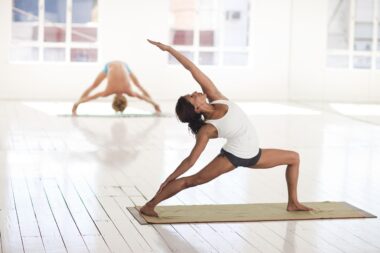
Establishing a mind-body connection during your postnatal workouts is crucial for emotional and physical recovery. Engaging fully in your exercises allows you to become more aware of your body’s needs and limits. A significant aspect of postnatal fitness is finding balance and grace in the movements you choose. Consider incorporating mindfulness techniques into your routines, such as focusing on your breath during exercises or visualizing the strength you are building. Yoga and pilates can be effective in fostering this connection, teaching you how to harmonize movement with awareness. They encourage a sequence of controlled movements, emphasizing alignment and breath control. Practicing these methods not only enhances physical strength but also supports emotional well-being, offering a much-needed respite amidst new motherhood’s daily challenges. Give yourself moments of gratitude and self-reflection as you engage in your movements. Modify your exercises based on how you feel each day, and acknowledge your body’s feedback. Finding joy in each session can transform your recovery process and provide emotional comfort during this transformative time of life. Seek classes or online tutorials that focus on mindful movement to enrich your experience further.
Support systems, both emotional and practical, play a vital role in navigating postnatal recovery. Having friends or family members who encourage your fitness journey can boost motivation and help you stay committed to your workout plan. Consider finding a workout buddy who is also on a postnatal journey. This connection can make workouts more enjoyable and offer mutual support. Sharing experiences with other new mothers, whether through local groups or online forums, provides emotional encouragement and camaraderie. Sharing your highs and lows helps foster a sense of community, aiding mental well-being. Additionally, engaging with personal trainers specializing in postnatal fitness can provide tailored workout adjustments to optimize your recovery more effectively. Practicing functional movements under professional guidance allows for personalized modifications based on your body’s needs. Remember that it’s okay to lean on these support systems while pursuing postnatal recovery. Accepting help is crucial for your well-being as well. This journey involves multiple layers, including physical and emotional healing. Building a strong support network can significantly enhance your postnatal experience, ensuring you feel empowered throughout every stage of recovery.
Celebrating Milestones
Taking a moment to celebrate your progress during postnatal workouts can significantly enhance your motivation levels. Each milestone, no matter how small, can affirm your efforts, bringing joy and positivity into your fitness journey. Start by recognizing improvements in your strength, endurance, or flexibility. For example, if you can complete a certain number of squats without discomfort, that’s a wonderful achievement. Keep a journal to track not only your physical accomplishments but your emotional insights as well. Writing down your experiences can reinforce your commitment and help you identify patterns in your progress. Consider rewarding yourself for these achievements, such as treating yourself to a massage or new workout gear. Additionally, always prioritize self-compassion throughout your journey; understand that some days may be more challenging than others. Growth takes time, so remain patient with yourself while celebrating every tiny win. Stay focused on how far you’ve come rather than comparing yourself to others. The postnatal period is unique for everyone; honoring your personal journey creates a fulfilling wellness experience. Sharing these milestones with friends, family, or fellow moms can magnify your joy and strengthen connections with others.
Continuing the journey, always remember that your wellbeing greatly affects your baby’s development. Ensuring a healthy lifestyle and nourishing your body can foster a nurturing environment for your new life. Appreciate each step of your fitness journey and know that creating a routine takes time again, especially after childbirth. Aim to align your postnatal recovery workouts with your overall lifestyle, integrating them into your daily routine effortlessly. Look for opportunities to enhance your journey, such as involving your little one during workouts. For instance, many exercises can be performed while holding your baby, allowing for bonding moments while fostering physical strength. Seek support from your community; joining local classes or online forums can accentuate your commitment to recovery. Following your instincts is crucial, as your body guides you during this transformative phase. Embrace compassion toward yourself as you navigate the challenges of motherhood and fitness. Your recovery is not just about getting fit but creating a fulfilling life for yourself and your child. With effort, dedication, and a community, you can achieve a well-rounded and satisfying postnatal lifestyle.