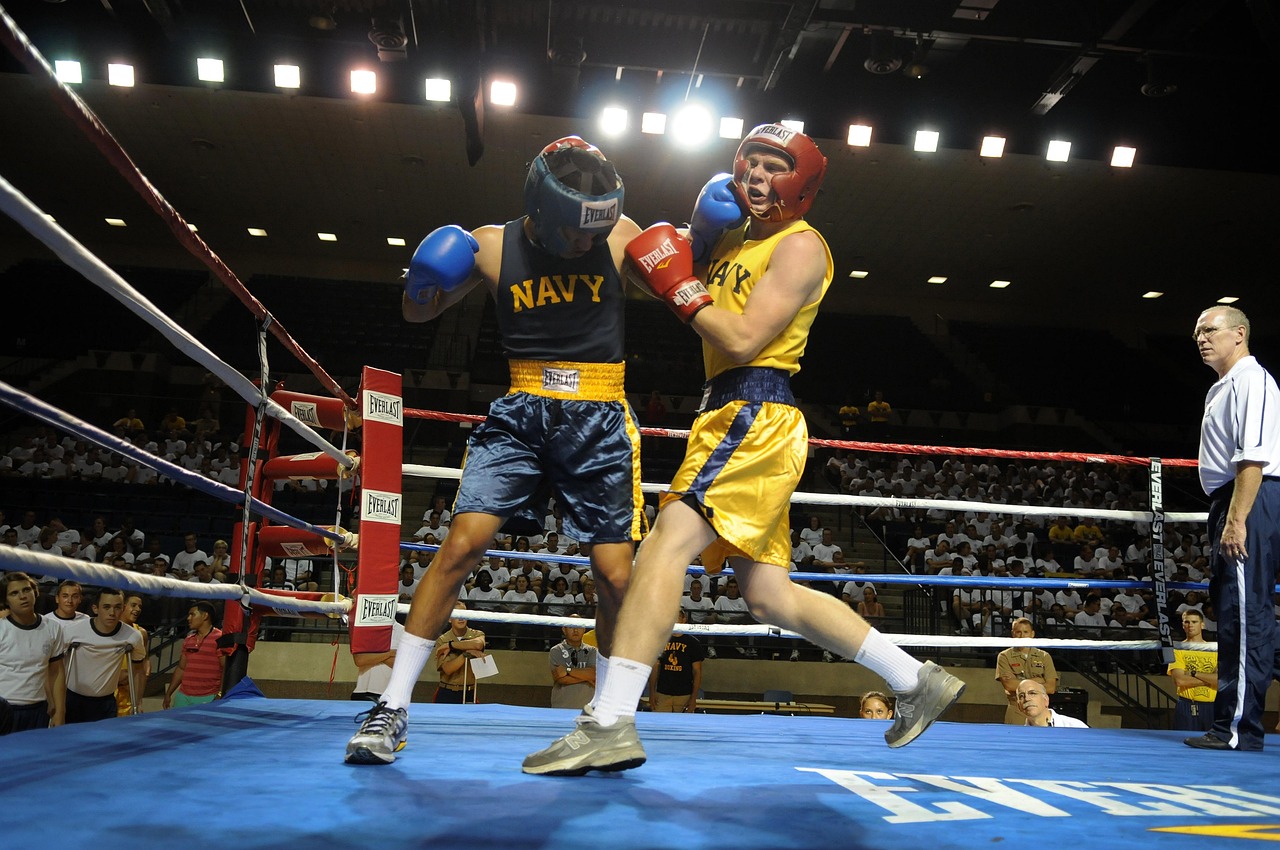

Analyzing Famous Boxing Techniques for Beginners
Boxing is an intricate art, blending athleticism with strategy, making it vital to grasp its fundamental techniques when starting. Each new boxer must understand their stance, which is crucial for both offense and defense. A typical boxing stance involves keeping your feet shoulder-width apart, knees slightly bent, and weight balanced on the balls of your feet. Your hands should be held up, protecting your face while providing offense. Adjustments in the stance enable quicker movements and optimize your punching power. It’s important to practice this stance often until it feels second nature, which can help in maintaining balance. The jab is among the most essential punches in boxing. This straightforward strike can set up more powerful punches. To execute a jab correctly, extend your lead hand toward your opponent while rotating your wrist at the end of the punch. Remember to retract your hand quickly, getting back to your guard position. Focus on speed and accuracy in your jabs, as they can create openings, disrupt your opponent’s rhythm, and earn you points during competitive matches. Regular practice of these techniques can lead to improved performance in the ring.
Mastering the Jab Technique
Another critical technique in boxing is the cross, often used in combination with the jab. The cross is a powerful straight punch delivered with your dominant hand, effectively targeting your opponent’s face or body. To execute the cross, pivot on your back foot and rotate your hips, generating power through a full body motion. Ensure your lead hand remains high for protection while delivering the punch. Your rear shoulder should also act as a shield for your chin. Timing and accuracy are vital; thus, practicing combinations that involve the jab and cross can greatly enhance your effectiveness in the ring. Pairing these punches often helps confuse opponents, making it harder for them to anticipate your next move. The uppercut is another important technique that can be crucial in close quarters. This punch travels vertically, targeting the chin or jaw of your opponent, and can be particularly surprising when executed well. Practice throwing the uppercut by bending your knees slightly and driving your fist upward, ensuring to maintain a solid guard with your other hand. This punch often serves as the finishing blow when done correctly, making it a favorite among seasoned boxers.
The hook is yet another invaluable technique in boxing, especially when engaging in exchanges with your opponent. This punch is characterized by its semicircular trajectory, which effectively targets the side of the opponent’s head or body. To throw a proper hook, position your lead foot forward, and pivot your hip and shoulder into the punch, creating a strong and powerful angle. It’s essential to keep your opposite hand high in a guard position, protecting against counter-hits. Incorporating hooks into your gameplay adds versatility to your offensive strategies. Additionally, practicing these techniques when wearing gloves ensures you’re prepared for a real match. Another fundamental aspect of boxing is footwork, pivotal in maintaining effective distance and evasion. Agile footwork allows you to create openings, dodge your opponent’s strikes, and land your punches effectively. Develop footwork through drills, stepping diagonally or laterally, ensuring to keep your weight balanced to react promptly. Always keep your eyes on your opponent while you move. Good footwork combined with strong punches can elevate your fighting ability significantly, allowing for better defense and offense in various scenarios during the match.
Understanding the Importance of Defense
Defense is equally important in boxing; mastering it can enhance your survival and success in the ring. Effective defensive techniques include blocking, slipping punches, and rolling under strikes. Blocking involves using your forearms to shield your face and body against incoming punches. This requires good reaction time and technique, as improper blocking can lead to severe hits and damage. Slipping punches entails slightly bowing or leaning to the side, allowing your opponent’s punches to pass harmlessly. This technique not only helps you evade strikes but creates opportunities to counterattack. Rolling under punches is another invaluable skill, where you weave your body below an incoming strike and respond quickly with your own punch. Developing a solid defensive methodology can make you a more formidable and elusive opponent in a match. Balance your offensive strategies with defensive reflexes to build an all-encompassing skill set essential for any aspiring boxer. A well-rounded boxer can attack and defend simultaneously, significantly improving their overall performance and durability in the ring during sparring sessions or competitive matches.
As we analyze famous boxing techniques, we witness the importance of a grounded strategy that intertwines offense and defense. Incorporating these techniques into daily training routines can help novice boxers cultivate strong fundamentals. Enrolling in boxing classes or participating with a sparring partner aids in understanding how to implement these techniques against real opponents. Make sure to engage in regular shadowboxing as well, allowing you to visualize and practice the strikes and defensive moves against an imaginary opponent. Recording your training sessions also provides valuable feedback, helping you identify areas of improvement. Moreover, employing visual aids such as instructional videos on platforms like YouTube can enhance your learning experience. Watching professionals execute these techniques allows you to see them in action, providing motivation for your progression. Ultimately, patience and consistency are fundamental in mastering boxing techniques. Although beginners might feel overwhelmed by how much there is to learn, enjoying the process and celebrating improvements along the way can boost motivation and determination. Building your skill set in boxing is a journey worth undertaking for any aspiring fighter.
The Role of Fitness in Boxing
In addition to mastering the techniques, it’s essential to prioritize physical fitness in boxing. An effective training regimen should encompass a balanced mix of cardio, strength, and flexibility workouts. Boxing drills often focus on aerobics through jumping rope, running, or interval sprints; these exercises enhance cardiovascular endurance crucial for sustaining energy during matches. Weight training improves muscle strength, aiding in the power and force of your punches. Aim to integrate compound exercises such as squats, deadlifts, and bench presses, which target multiple muscle groups at once. Furthermore, incorporating flexibility training through yoga or regular stretching routines ensures muscle elasticity and can help prevent injuries during sparring and competition. Mental fitness also plays an important role in boxing; visualization techniques can augment physical training by improving focus and enhancing confidence. Setting clear progression goals in training allows you to track your improvements and stay motivated through challenges. Building overall fitness in boxing opens doors to performance enhancements, ultimately setting the foundation for a rewarding boxing journey for beginners dedicated to mastering the art.
Lastly, one cannot overlook the psychological aspects of boxing that contribute to overall performance in the sport. Building mental toughness is essential for dealing with the pressures of sparring and competitive matches. The ability to remain calm and focused during a match prevents the development of anxiety or panic. Engaging in various mental training exercises can bolster concentration and sharpness during bouts, allowing for improved reaction times. Techniques such as meditation or breathing exercises can help to center your focus and maintain composure. Motivational affirmations can also reinforce your self-esteem, encouraging you to push through challenging training sessions or matches. Consider connecting with fellow boxers or trainers who can provide guidance and accountability throughout your journey. Joining a boxing community fosters a sense of belonging and encouragement, helping newcomers find their footing as they continuously learn and improve. Savor each moment spent training—embracing the highs and lows creates resilience. Ultimately, boxing is a transformative journey, intertwining physical skill and mental fortitude, leading to tremendous development within the sport.